Wilson: From his father’s death to the operating theatre
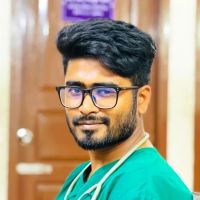
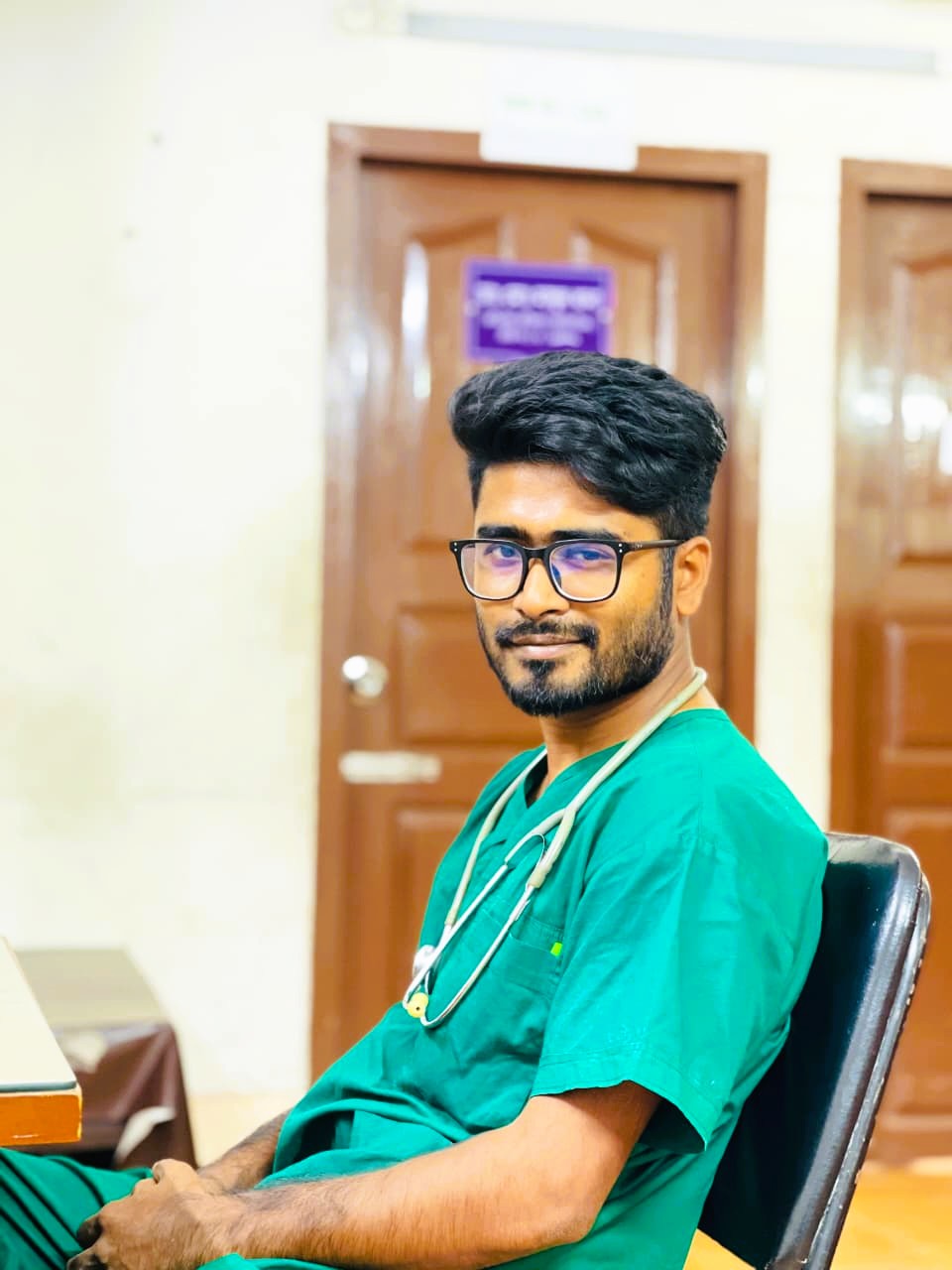
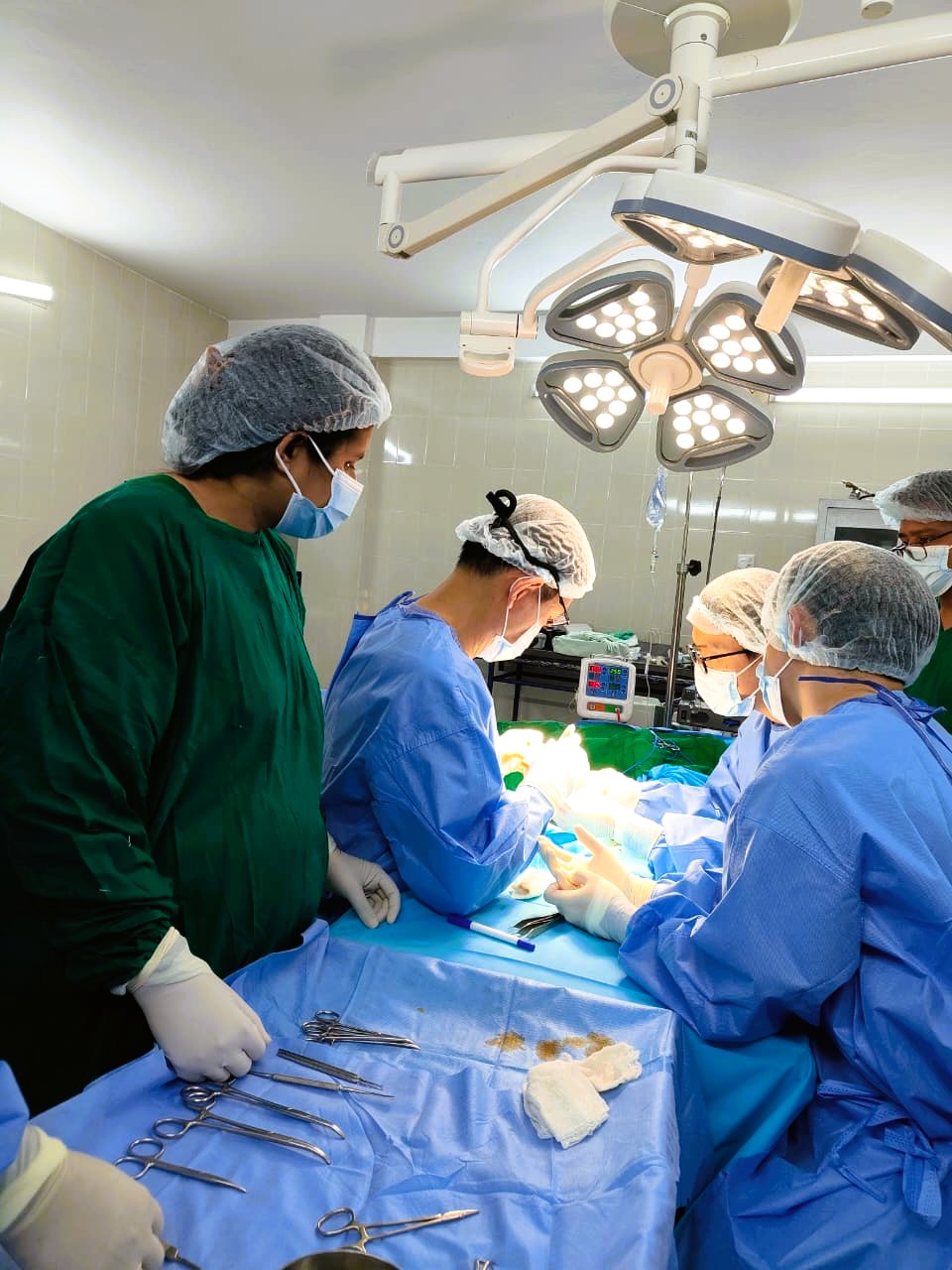
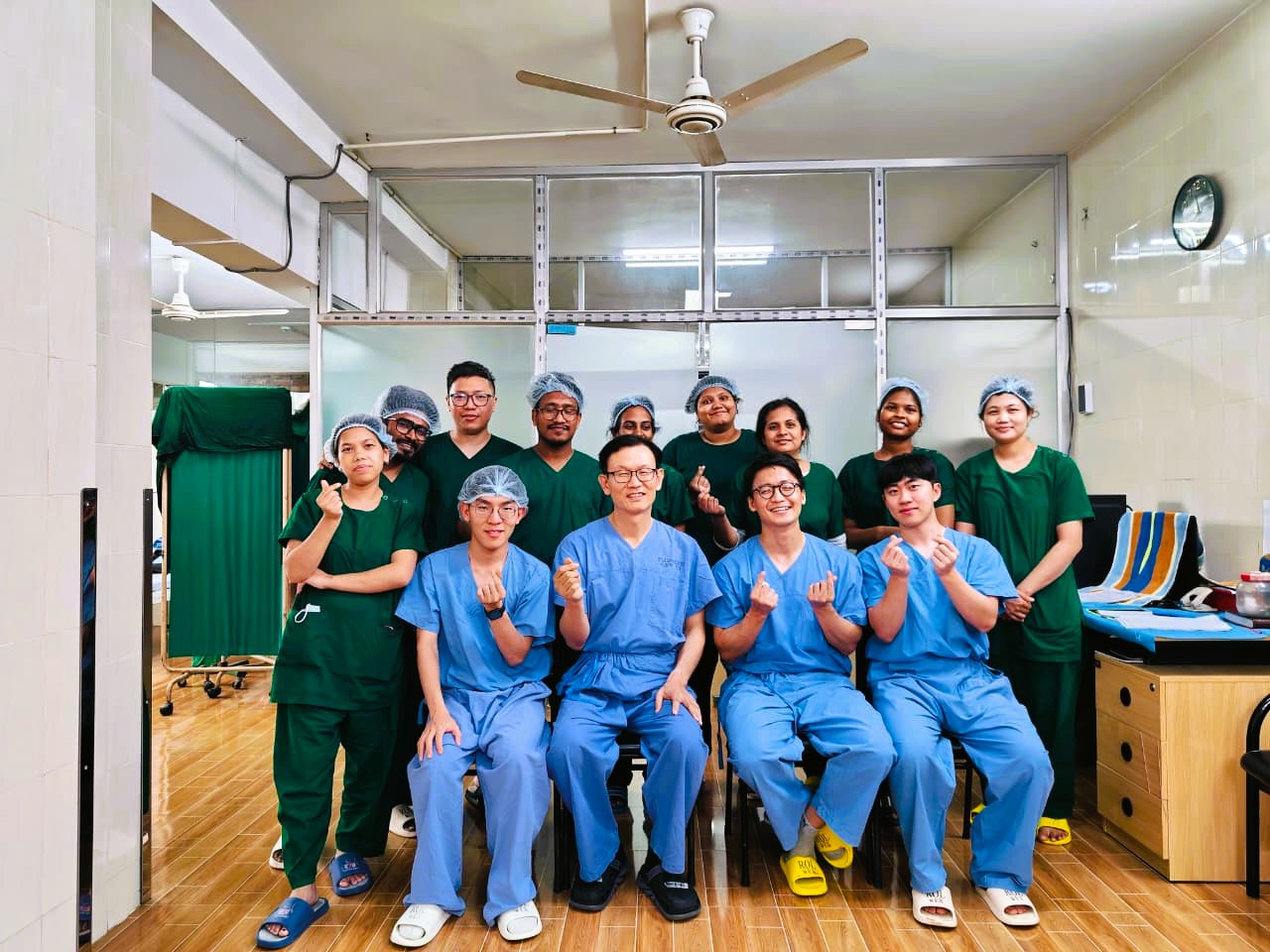
Mornings at the hospital in Gazipur begin before the corridors fill with people. Wilson is already in the operating theatre, checking the room and preparing the instruments. It is still quiet. Soon, the silence will be replaced by footsteps, questions, pain – and relief. The hardest moments come afterwards.
Patients wake from anaesthesia confused, sometimes frightened. Their bodies are slow to respond. They ask what has happened. Sometimes they cannot feel their legs.
Wilson leans closer and speaks calmly. “Don’t worry. It’s normal. The feeling will come back.”
The tension begins to ease. Relief appears. Sometimes even a smile. “And that matters to me,” he says. “They need encouragement. They need hope.”
A childhood changed by loss
Wilson comes from a small village called Talpukuria in southern Bangladesh, near the town of Gopalganj.
His carefree childhood changed in a single moment — his father died when he was still a small boy. In Bangladesh, this often means not only grief, but the loss of income, stability, and security. “When we lost him, we had no idea what would happen next.”
His mother was left alone with two children. Wilson and his younger sister, just a year and a half younger, grew up in a household where stability quickly disappeared and the future became uncertain. In such situations, education often slips out of reach. For Wilson and his sister, however, things turned out differently.
Help that created a chance
The first support came through the Christian Service Society (CSS) school. It was not a miracle, but it provided something essential — stability.
A turning point followed when Wilson’s mother asked Pastor Milton Dash for help. When Wilson speaks about it, he pauses. “That was the moment that changed everything.”
With his support, Wilson and his sister were admitted to the AHTTS boarding school. Later, with support from the humanitarian organisation ADRA, they were able to continue their education. “Without that support, I would not be where I am today.” He says it simply, as a matter of fact.
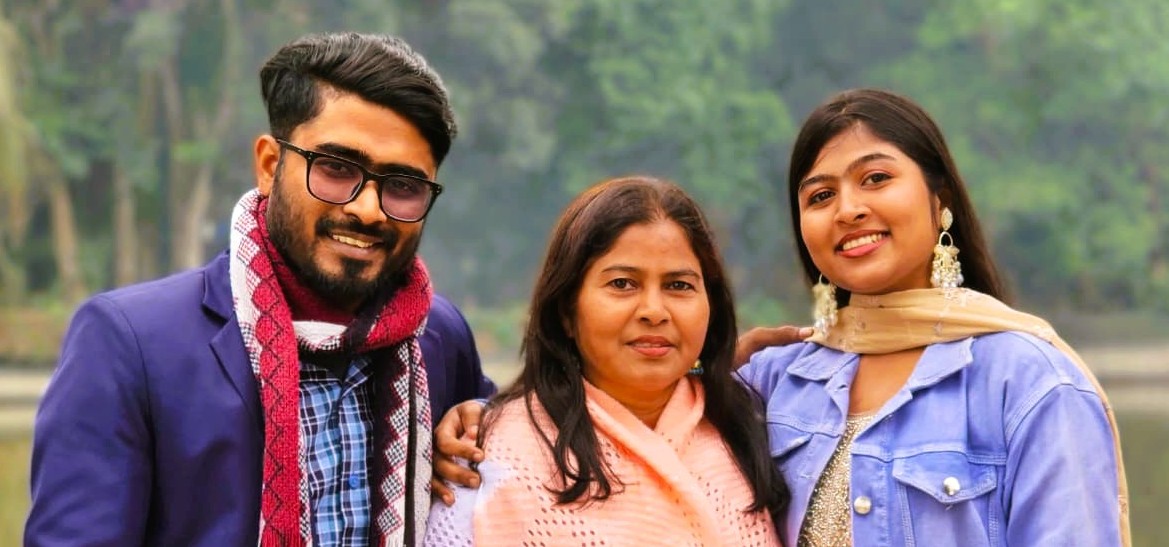
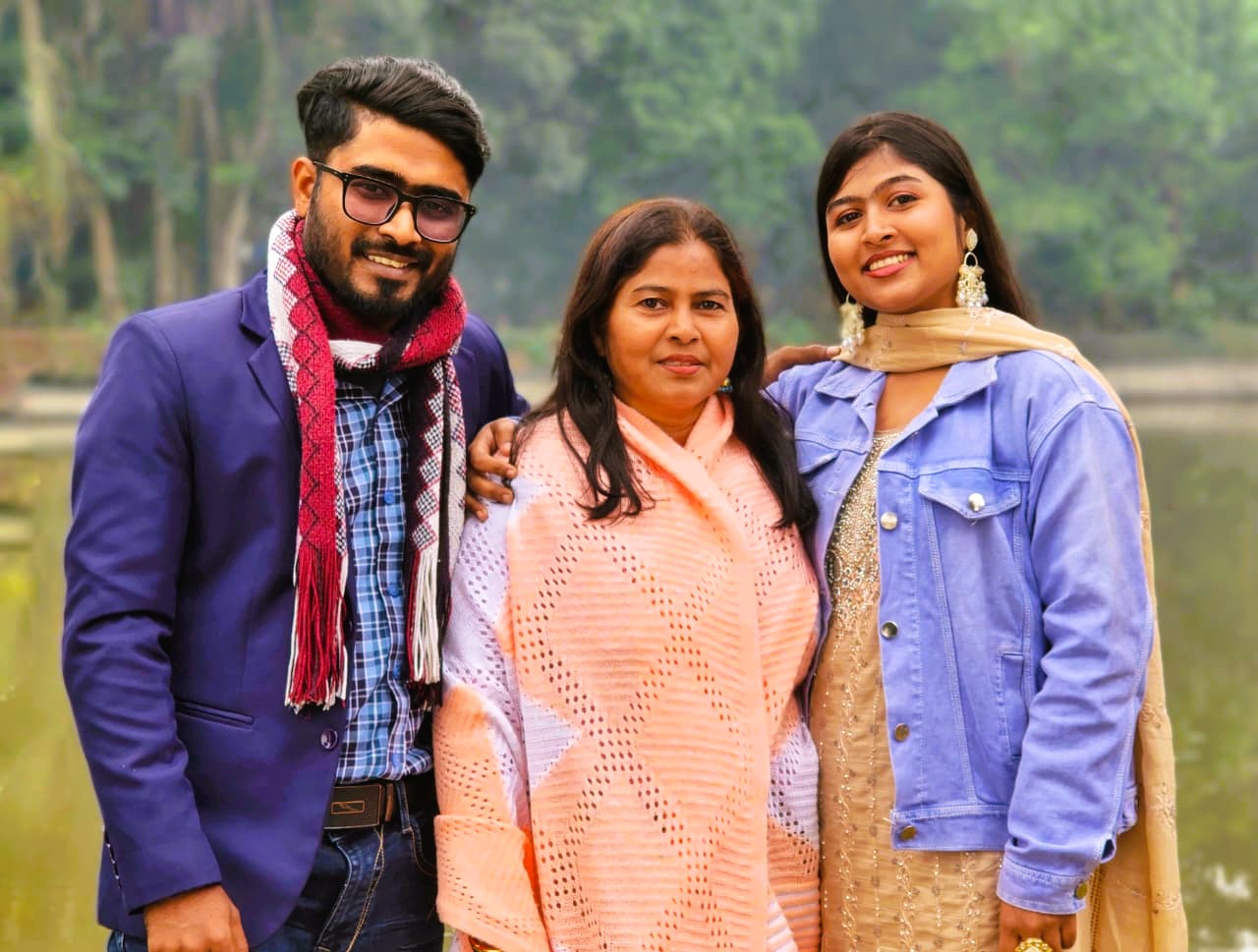
Wilson with his mum and sister today.
Two siblings, one journey
Wilson and his sister went through everything together — the same schools, the same changes, the same uncertainty, and the same hope.
A year later, they moved to the KMMS boarding school closer to home, where Wilson completed his secondary education. It was there that he made a decision that would shape his future: nursing. “I knew the studies would be demanding and expensive. But it was an opportunity — for stable work, to help others, and to build a better life for our family.”
Wilson enrolled at the Royal Nursing College, where he completed a three-year diploma. His sister chose the same path, studying nursing at another school.
Every day, without shortcuts
Today, Wilson continues his bachelor’s studies while working full-time at the hospital. His days follow a strict rhythm. He starts work at 8:30 in the morning and finishes around four in the afternoon. Then comes the second shift. “After work, I go home and study. In the evening. At night. There is no other way.”
He sleeps five to seven hours a day, sometimes less. He has only a few days off each month. The pattern repeats itself — work, study, family. Again and again.
In the operating theatre, he prepares patients for surgery and cares for them afterwards. “Before surgery, the patient needs to be calm. After surgery — that’s the hardest part.”
In those moments, calm matters most, as patients wake unsure of what is happening and look for reassurance.
He encounters both routine and complex cases. Sometimes everything is predictable; at other times, tension fills the room. The hospital where he works is small, and more complicated cases are referred elsewhere. He has not yet experienced a patient dying under his care. He pauses for a moment. “But I know it can happen at any time. I must be ready.”
Looking ahead
Alongside work and study, Wilson carries another constant — responsibility for his family. He supports his mother and his sister. “I must take care of them. It is my duty.”
He once had a sponsor who supported him during his studies. That support has ended. “Some people stay, others leave. But what they did for me changed my entire life.”
When asked what keeps him going, his answer is simple: “I want a better future — for myself and for my family.” It is not a grand statement. It is a daily decision. To get up. To go to work. To study. To help. And to continue.
Wilson’s story did not begin with success. It began with loss. It continued thanks to people who gave him a chance — and to the determination that turned that chance into a future. His story shows what becomes possible when opportunity meets determination.
Help children access education
Wilson was able to study and now works in a hospital thanks to people who gave him a chance at education. But many children in Bangladesh still do not have that opportunity.