Vilda: These projects are small pieces of heaven amid hell
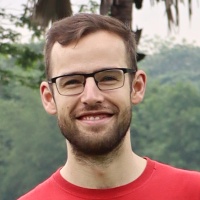
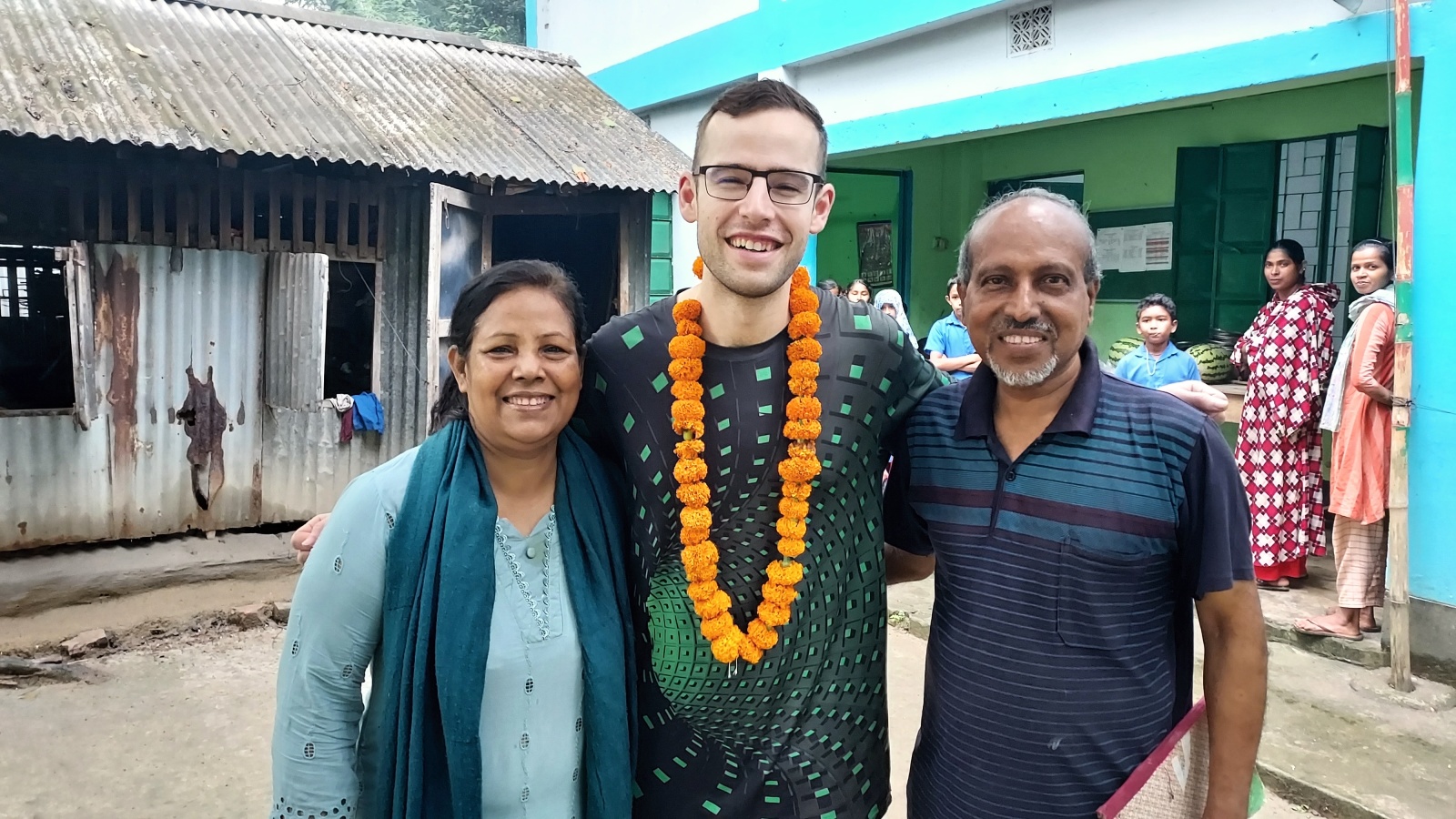
Vilém Škuta, BanglaKids coordinator, travelled to Bangladesh expecting the greatest culture shock of his life. He was preparing for chaos, poverty, and a completely different world. But after returning, he speaks most about children, slums, rickshaws — and how sometimes very little decides the entire course of a child’s life.
Expectations vs. reality
Vilda, you’ve just returned from your first trip to Bangladesh. What did you expect before you left?
I was expecting probably the biggest culture shock I’ve experienced so far, and it did come. I prepared a lot for the fact that I was going to a developing country and that it would look really terrible there. And yes — the shock was there. But in fact, my expectations were even worse than the reality.
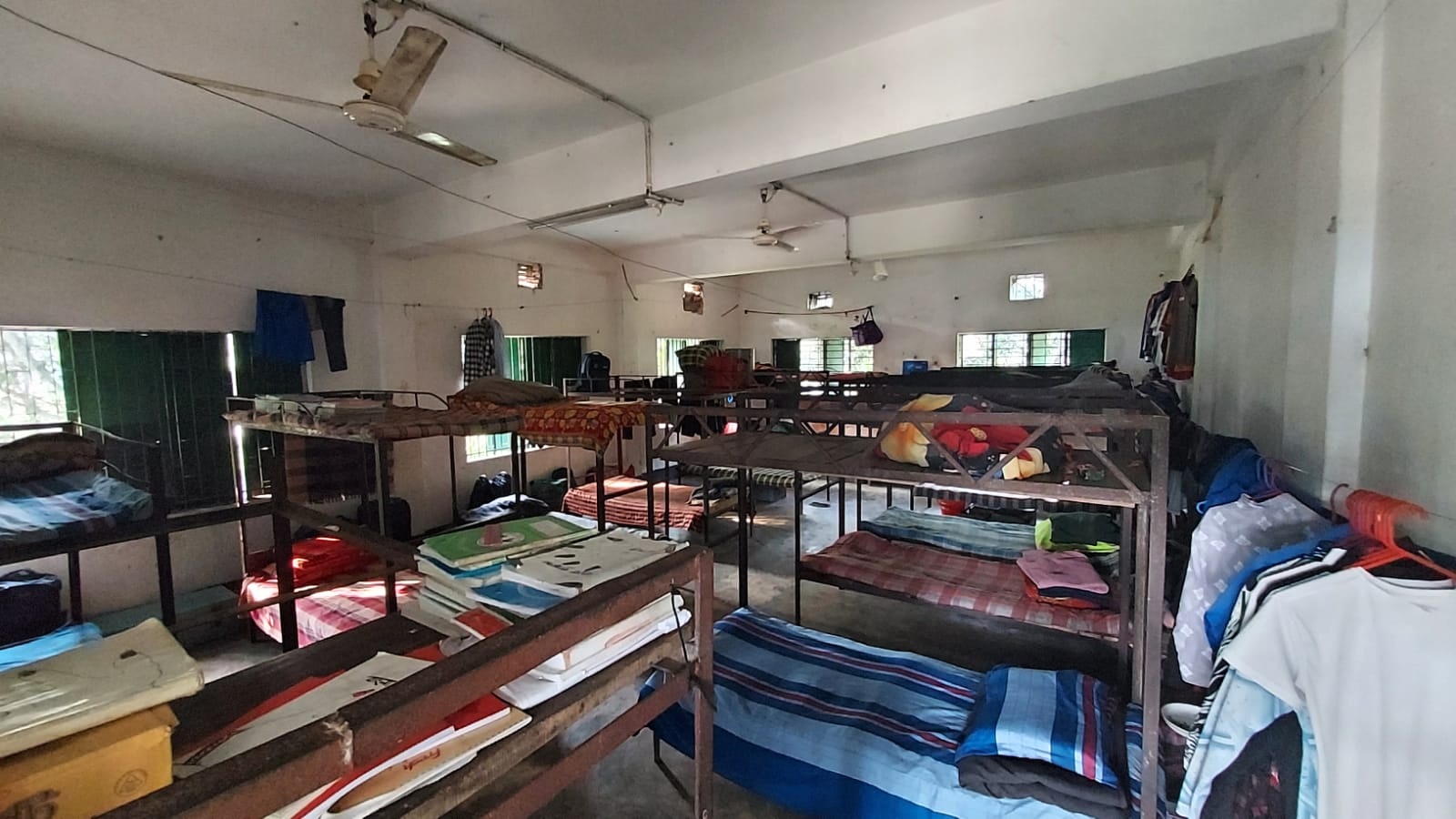
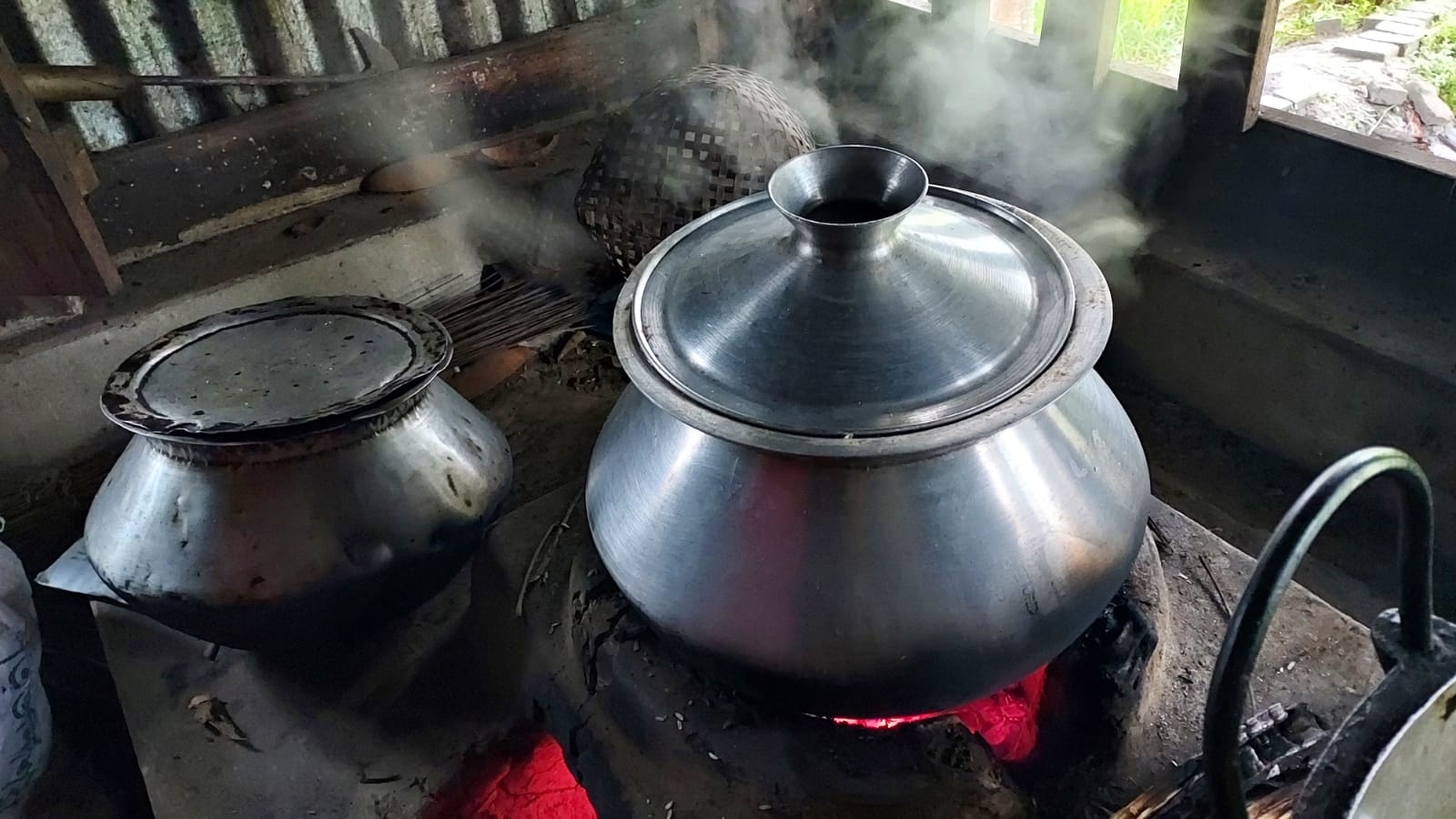
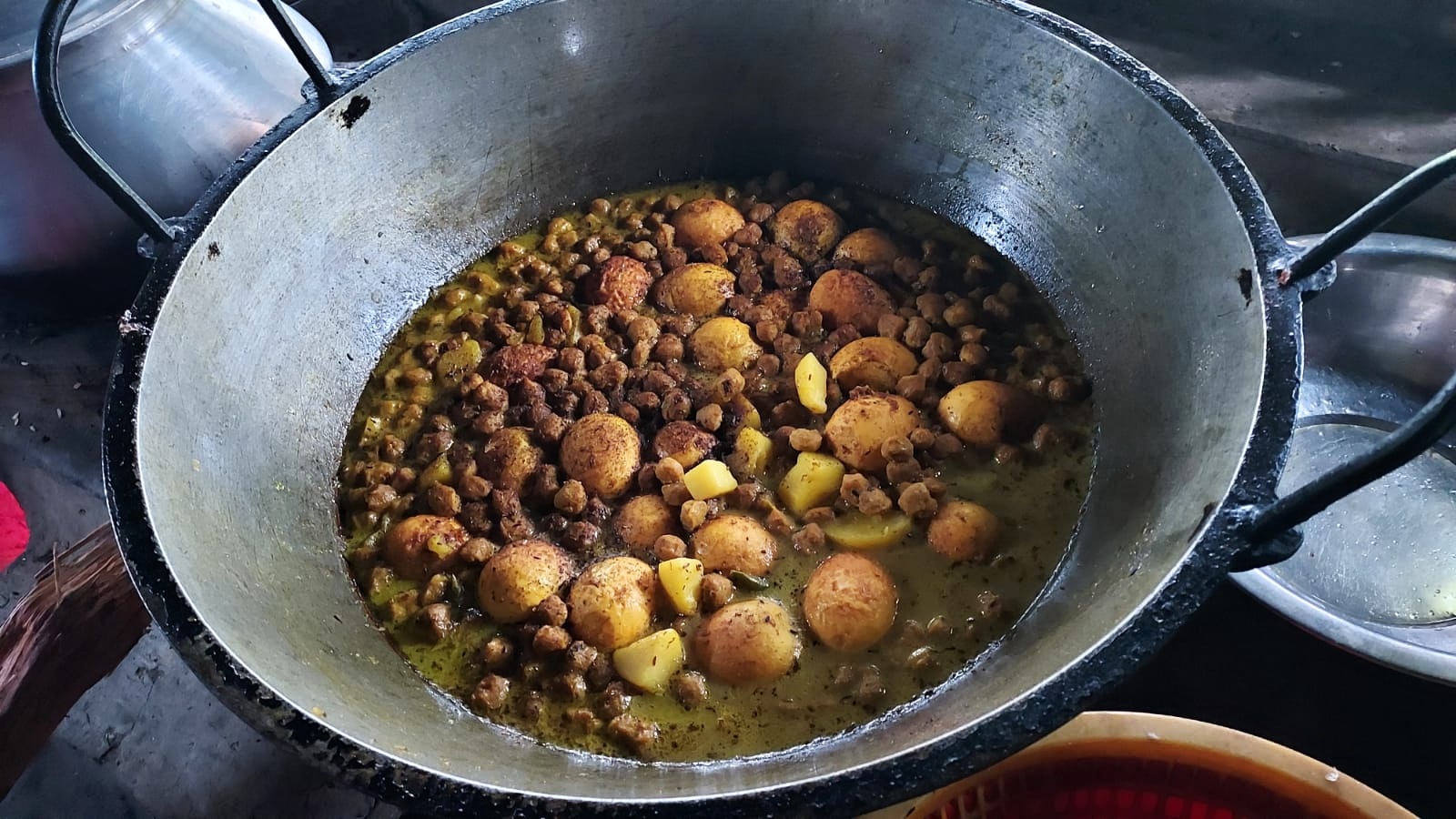
I expected worse accommodation, worse food, and I thought my body would react much worse. And then, for instance, I was surprised that sometimes we had proper feasts.
So the shock was significant, but not as extreme as I had imagined beforehand.
Transport you have to experience
What surprised you the most?
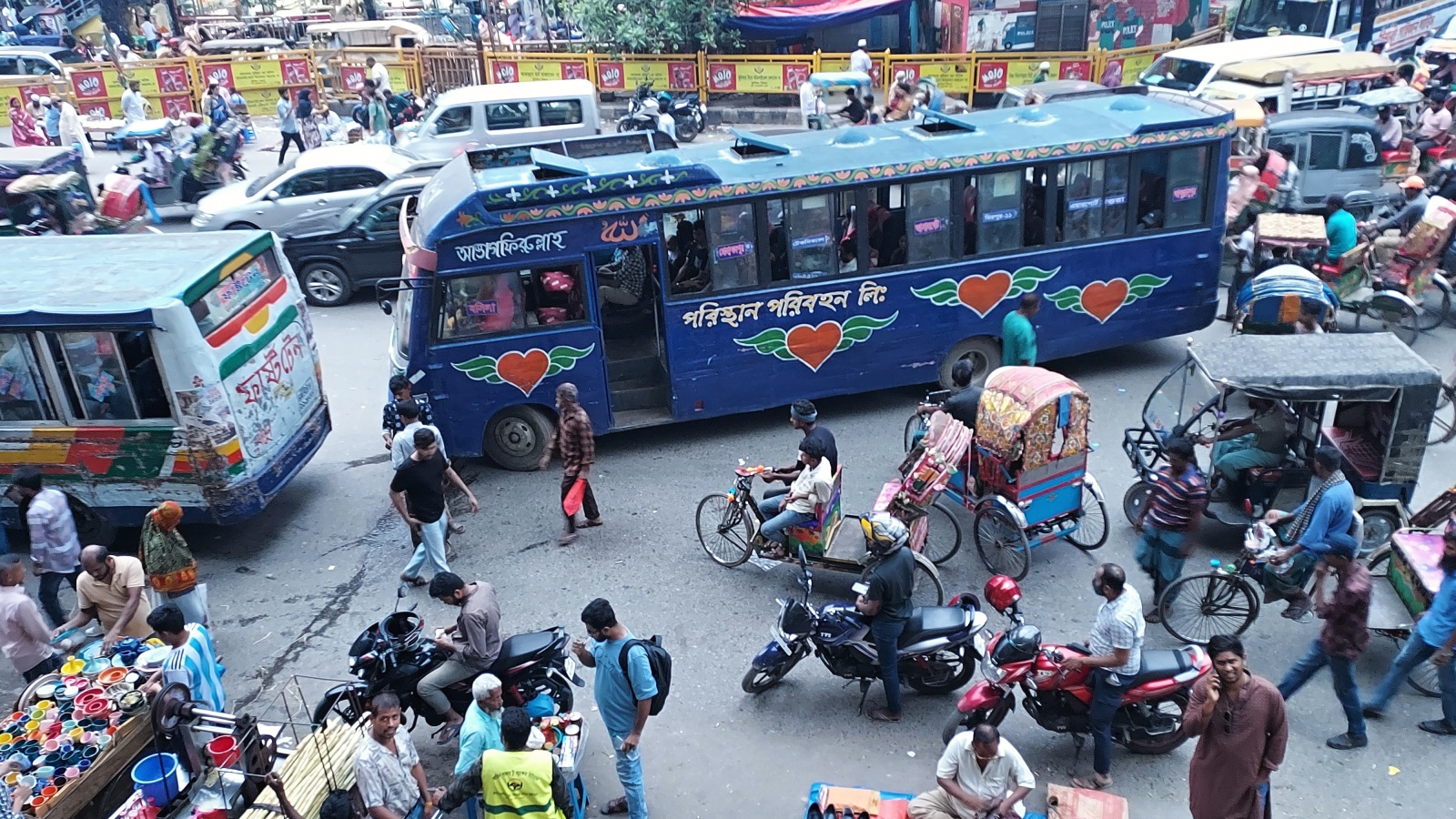
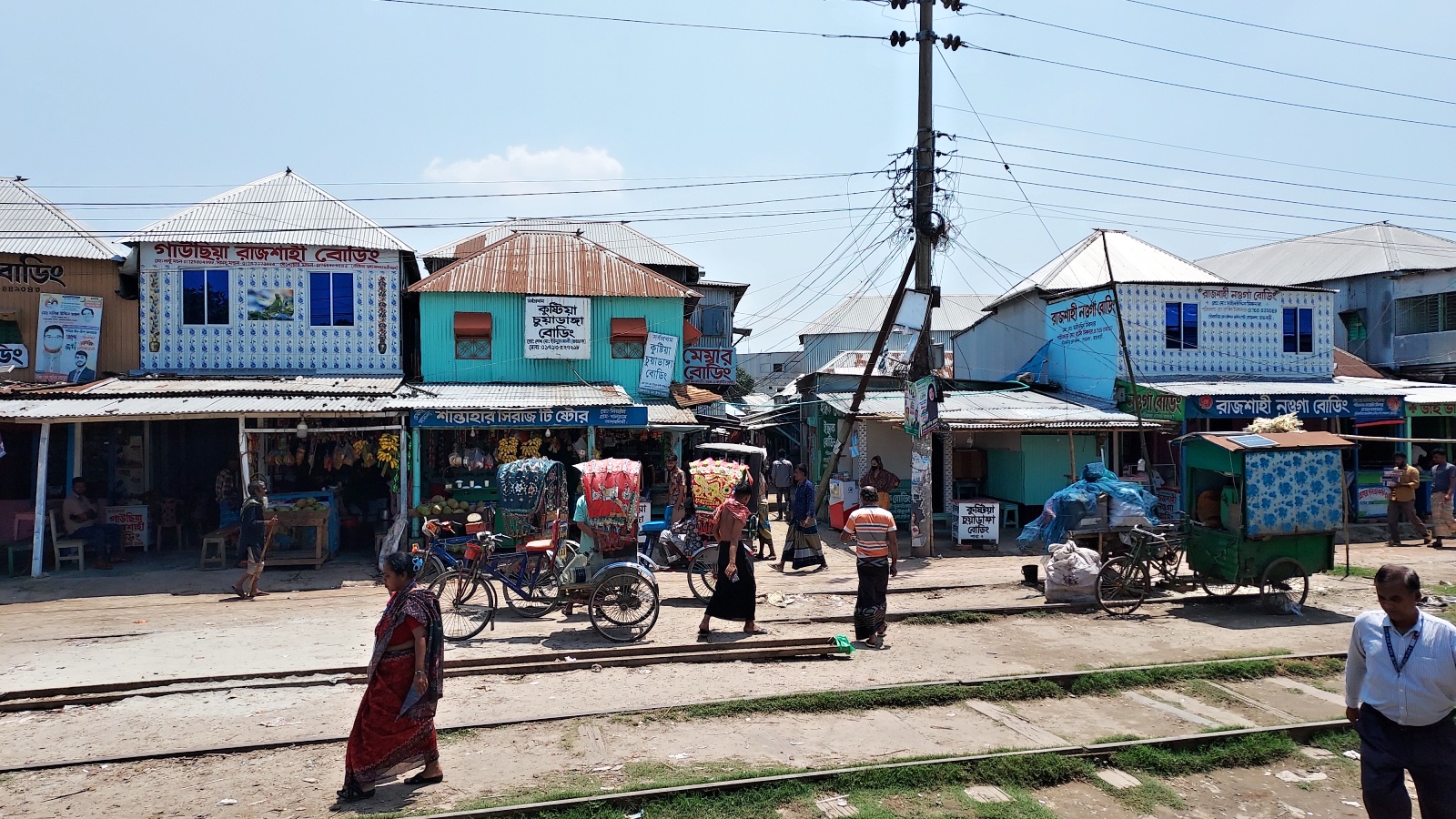
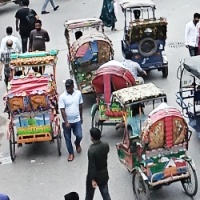
Probably the traffic. It’s something you simply have to see. When we stepped out of the airport in Dhaka, there were so many people all around… and I thought: “How are we even going to find the people we need here?”
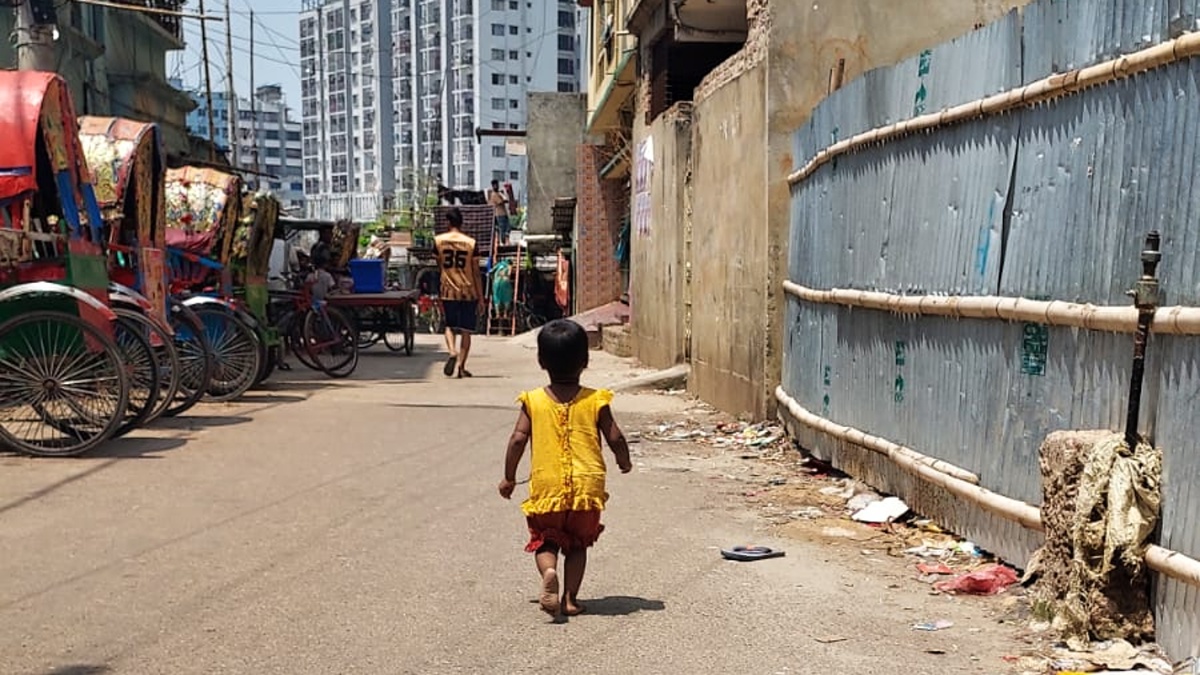
And then the traffic itself. Rickshaws, buses, cars, intersections packed with traffic. No one wants to stop. They only stop right in front of you. I’m glad I never had to cross the road on my own. Many times I felt like it was a matter of life and death.
 Is there a “Bangladeshi” way of crossing the road?
Yeah (laughs). Our local colleague Martin told us that in Bangladesh you have to stretch out your hand like a superhero so the cars slow down a bit. And it really works. I noticed people do it all the time there. But the sound of the rickshaws… that will probably stay in my head for a while.
Did anything else surprise you?
Seat belts, for example. I got into a car and automatically looked for one. It was there, but there was nowhere to fasten it. The driver looked at me and said: “We don’t really use them here.”
And considering how people drive there… I was honestly quite surprised. Often we were driving down the middle of the road, with a bus or lorry coming straight at us, swerving at the last millimetre.
I’d say every three minutes I felt like we were about to crash. But somehow it always worked out.
Children who make it all worthwhile
You visited many schools. What stayed with you?
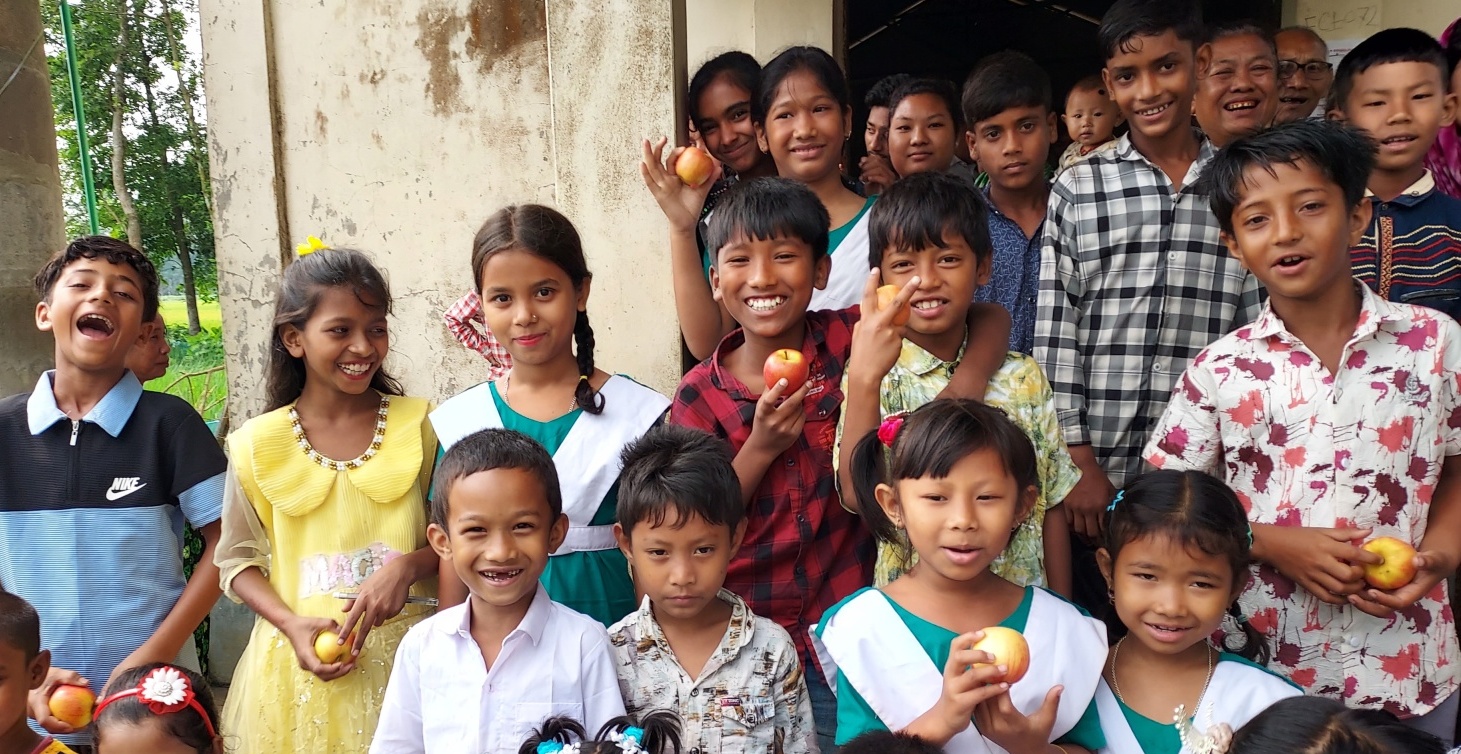
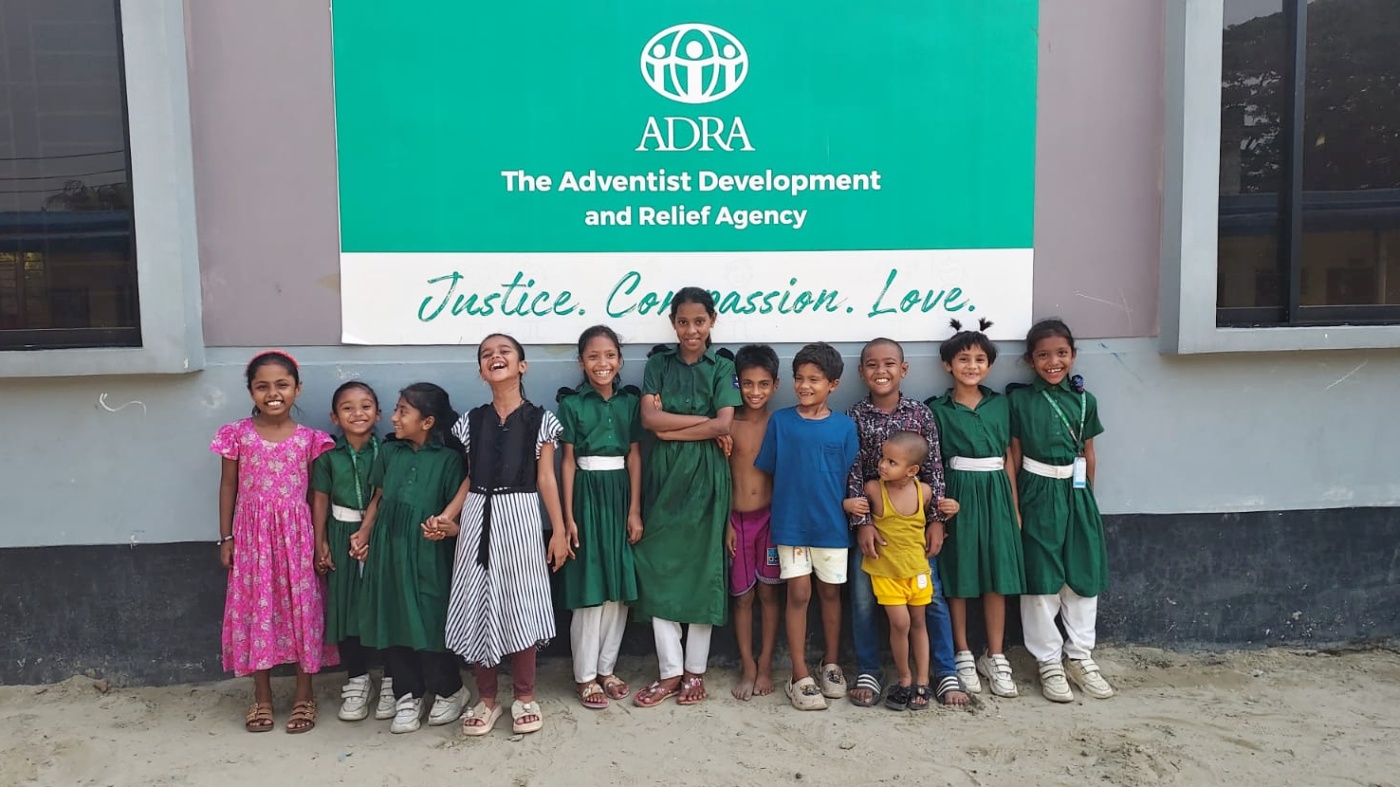
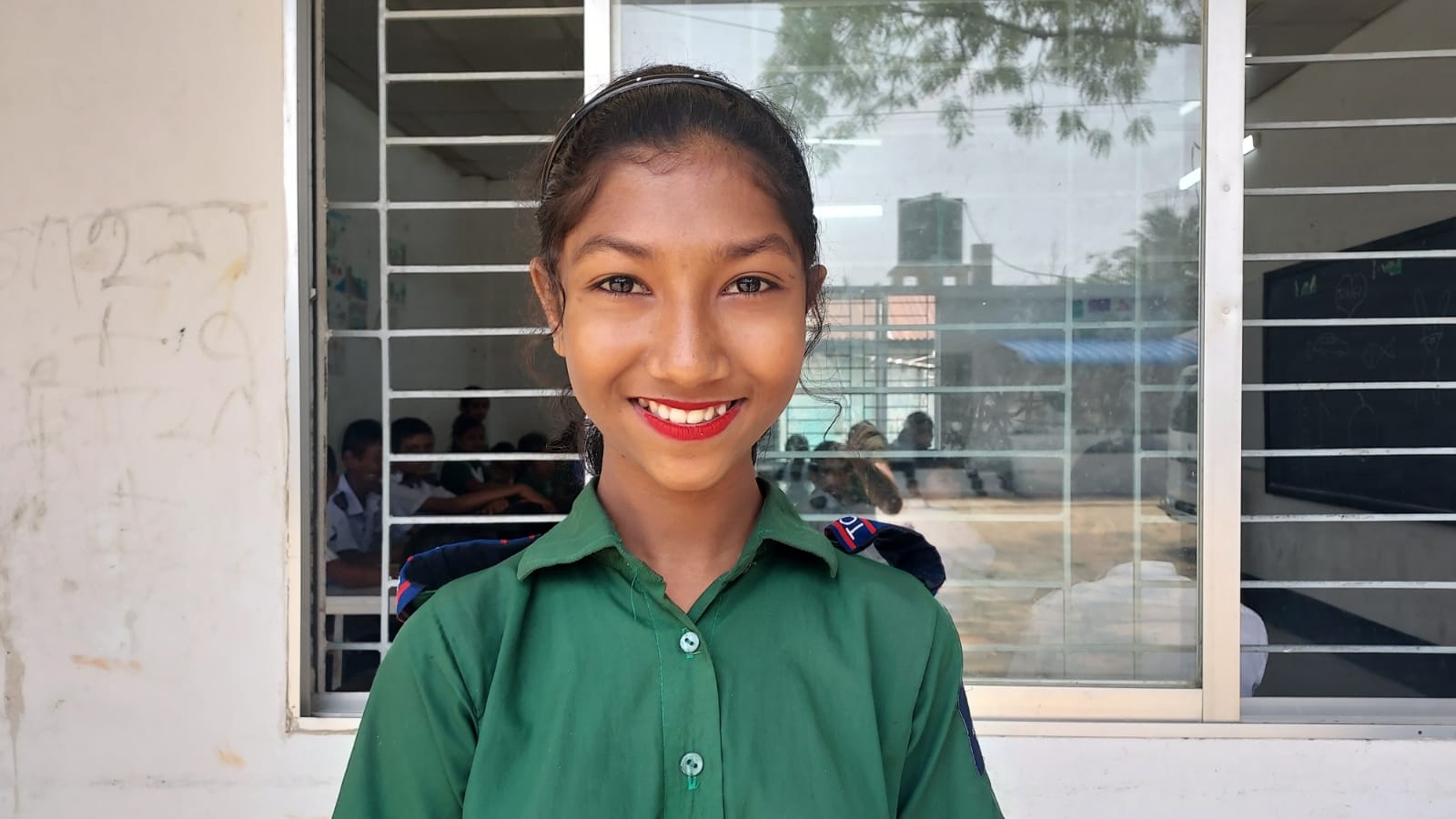
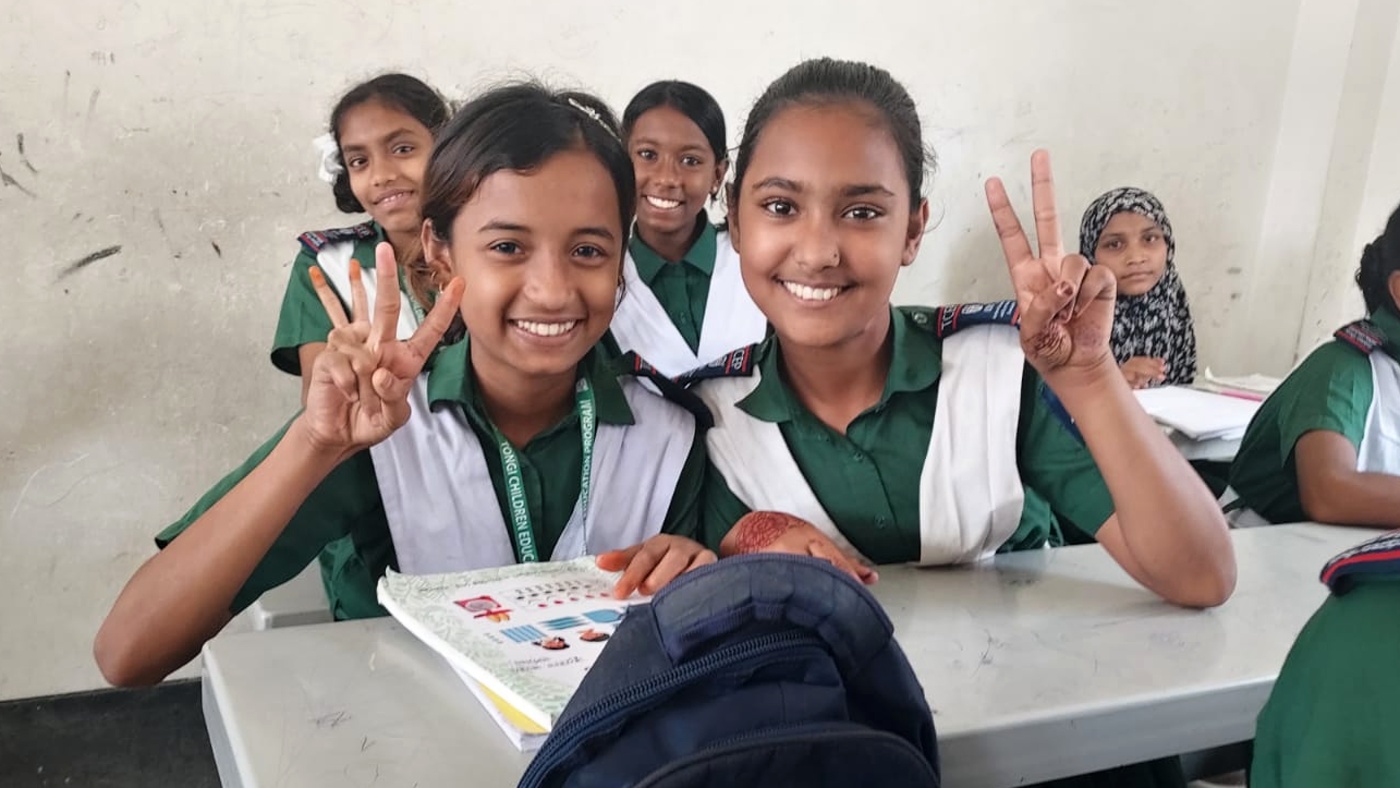
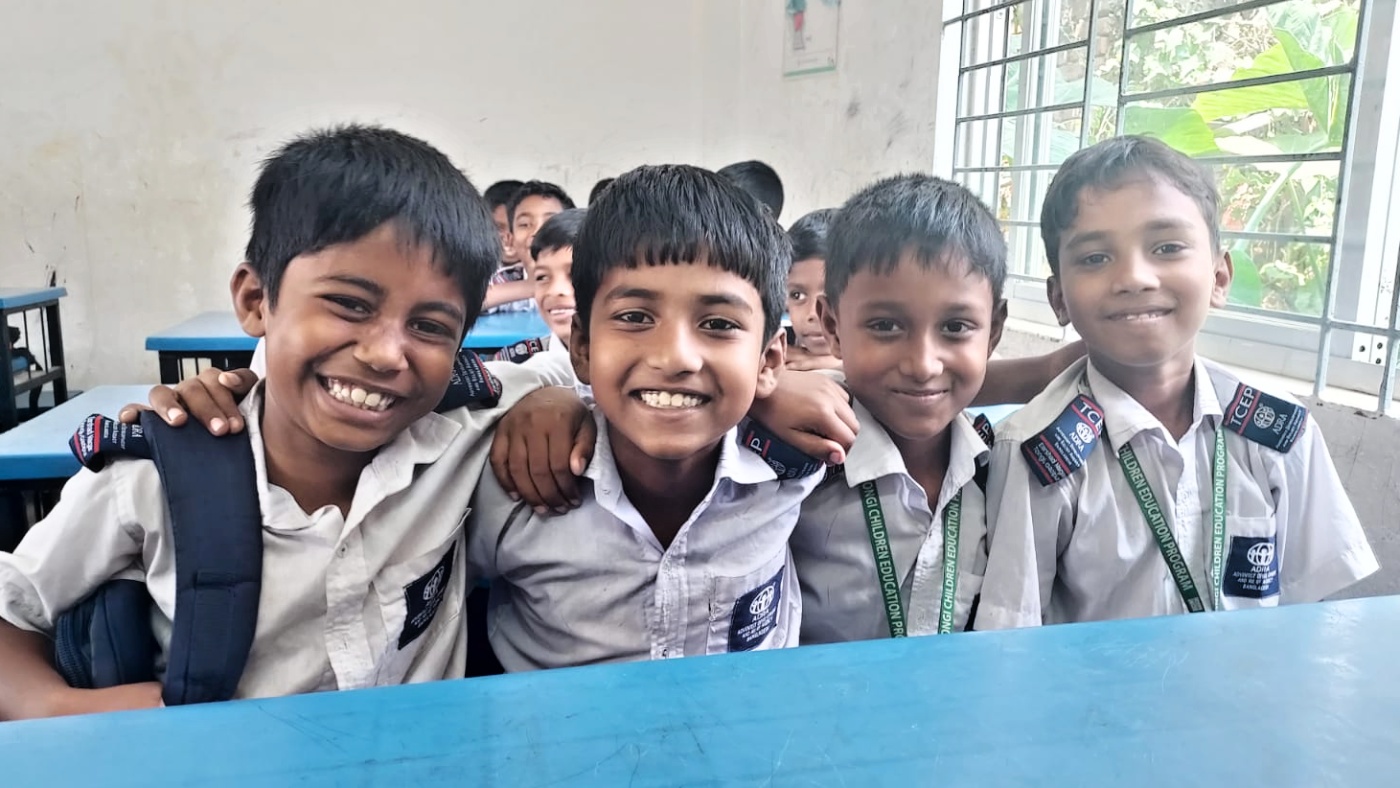
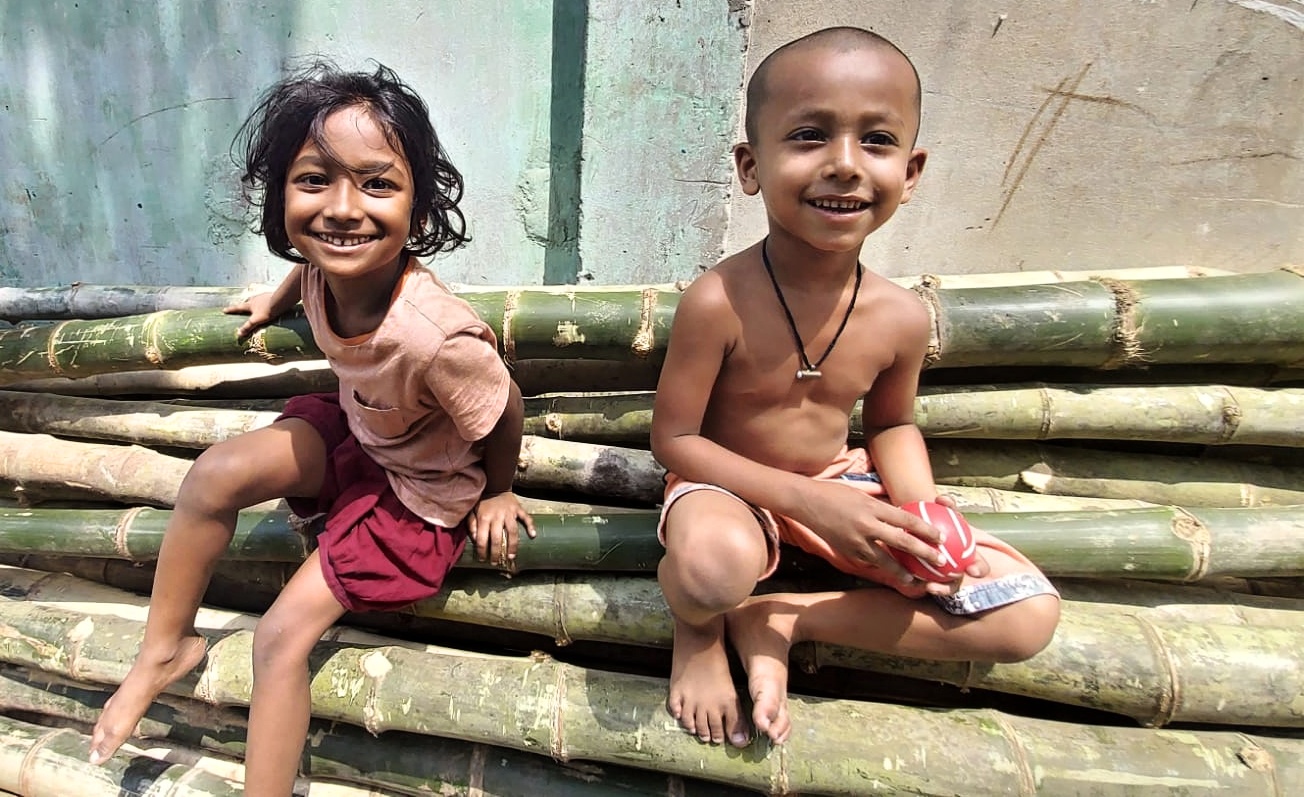
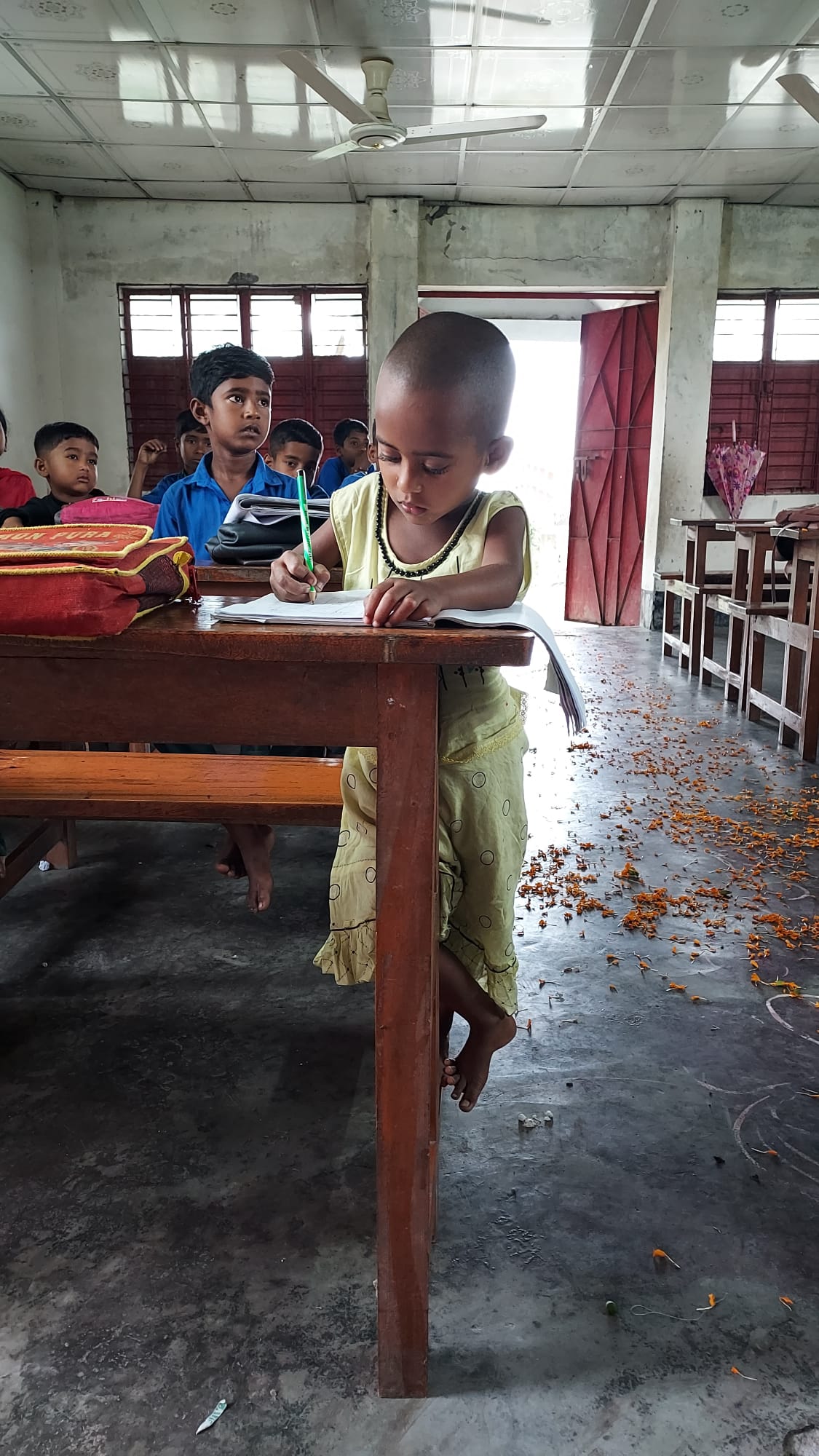
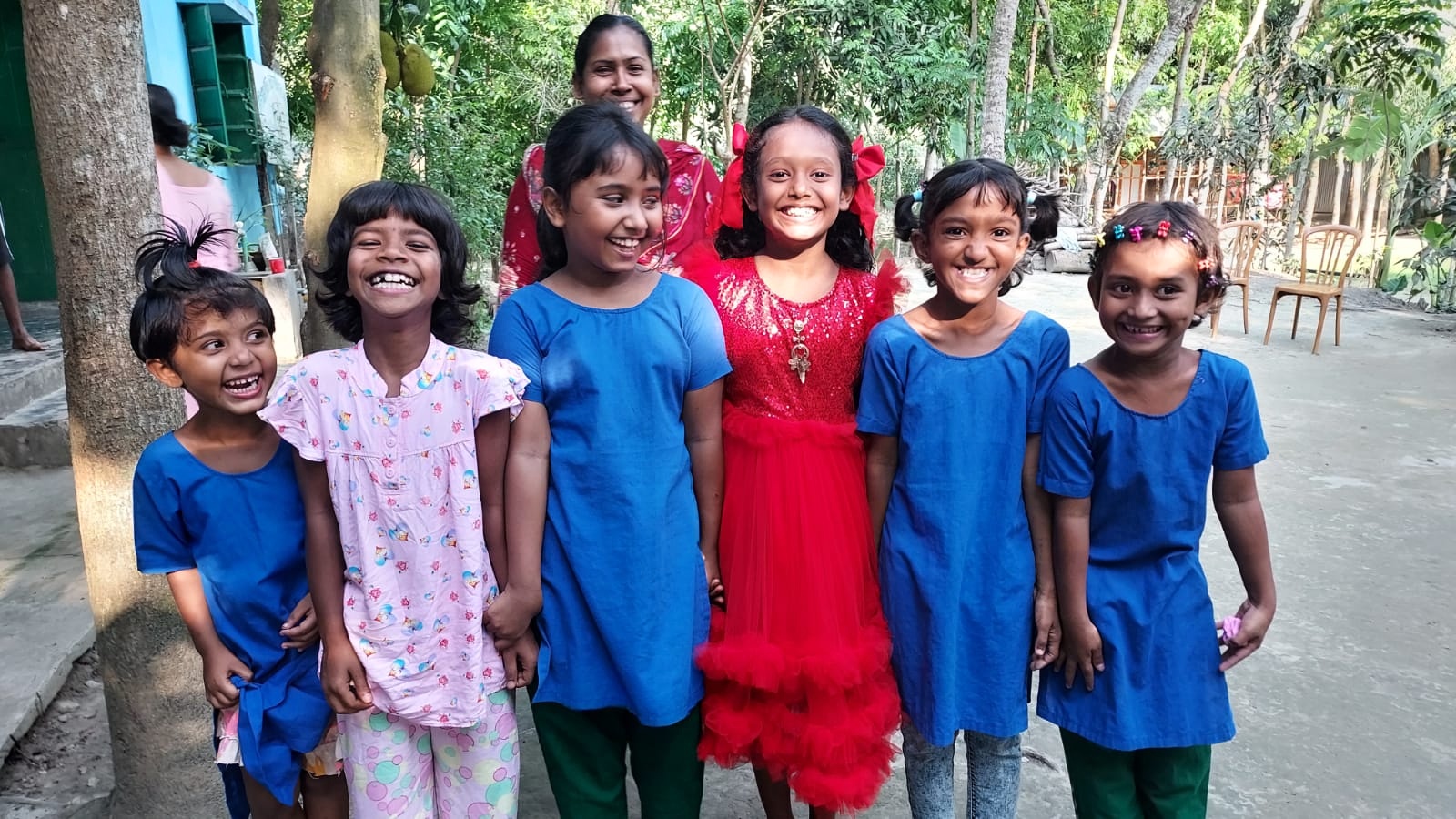
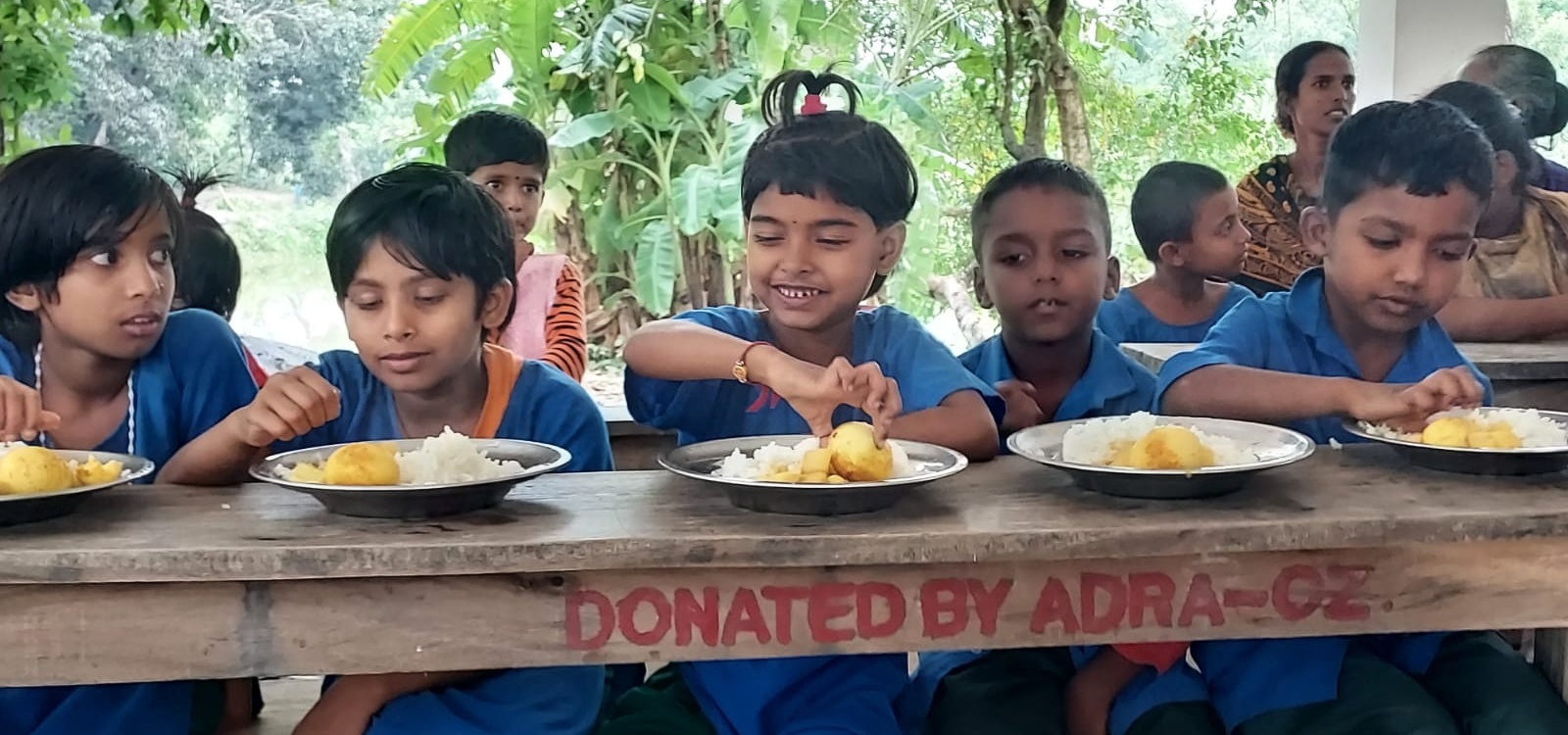
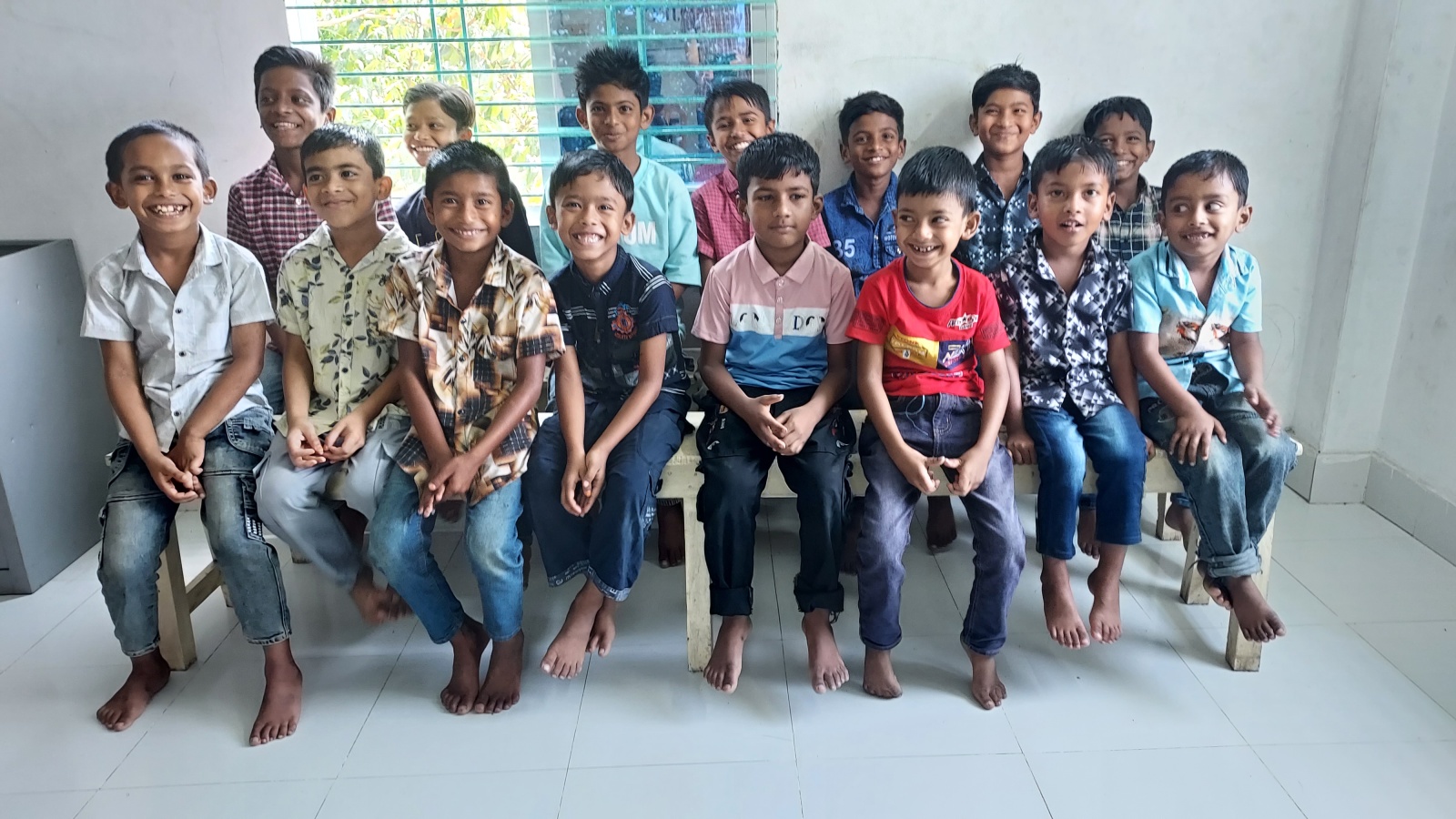
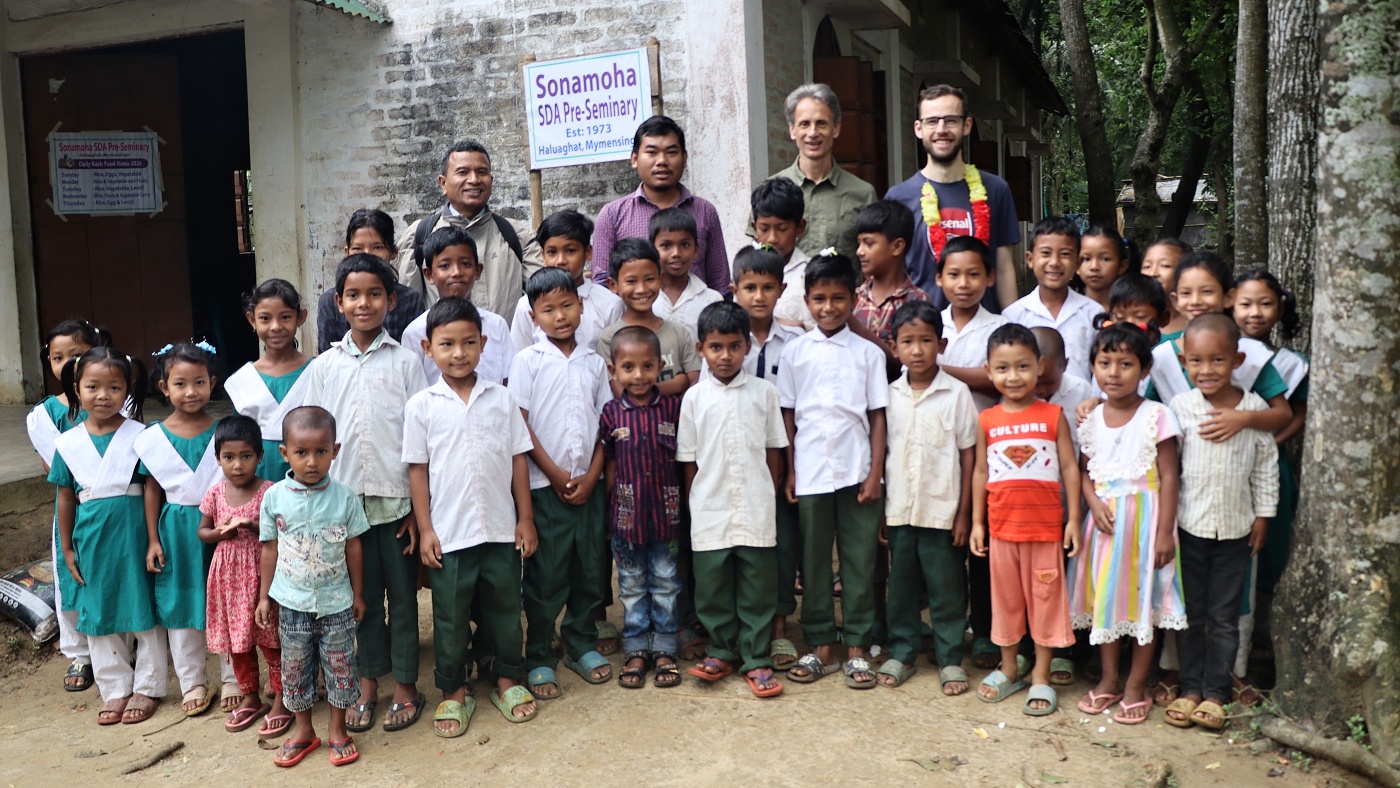
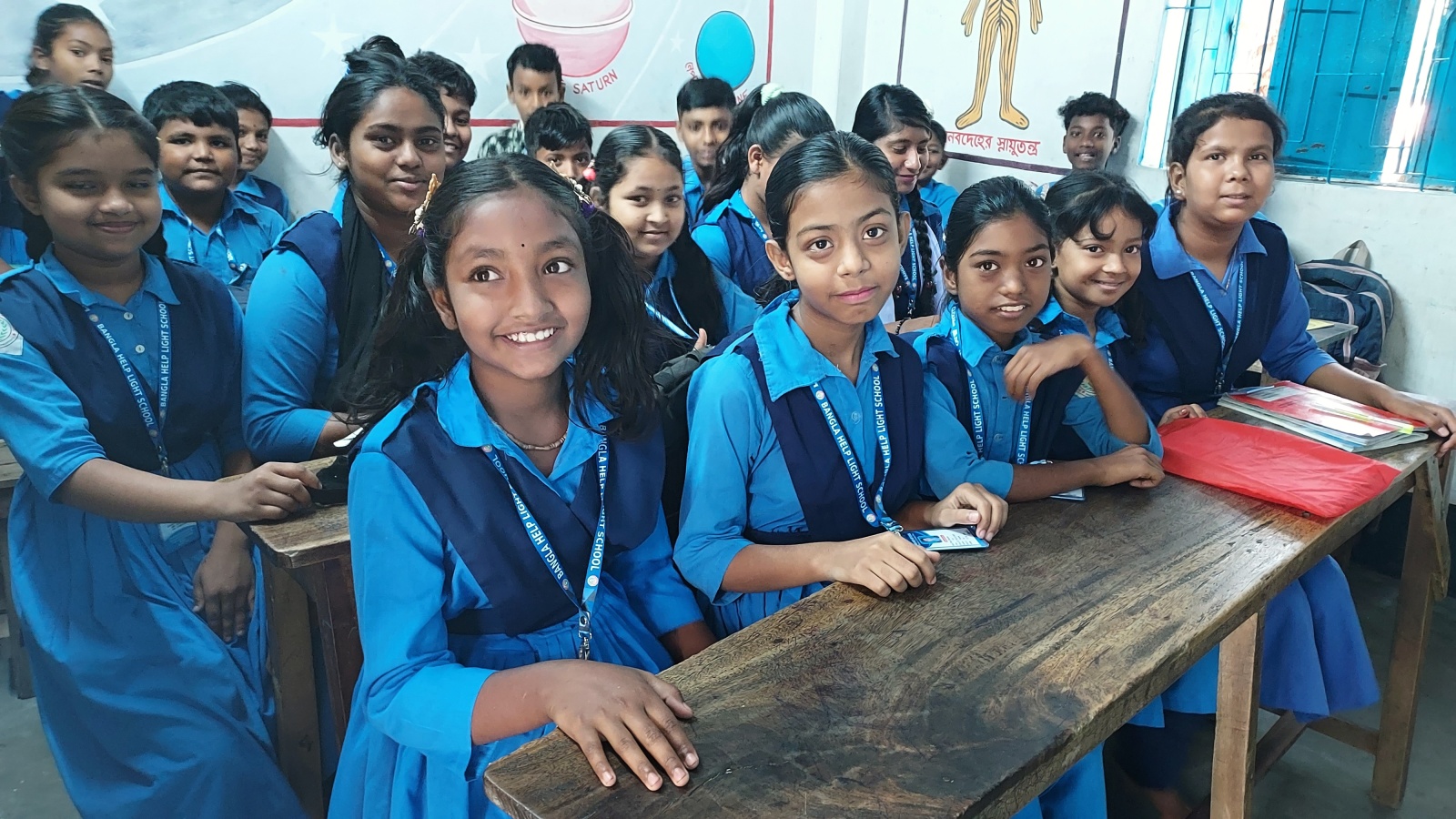
Maybe it’s also the different culture, but all those children seemed beautiful to me. Just looking at them gave me a kind of inner joy.
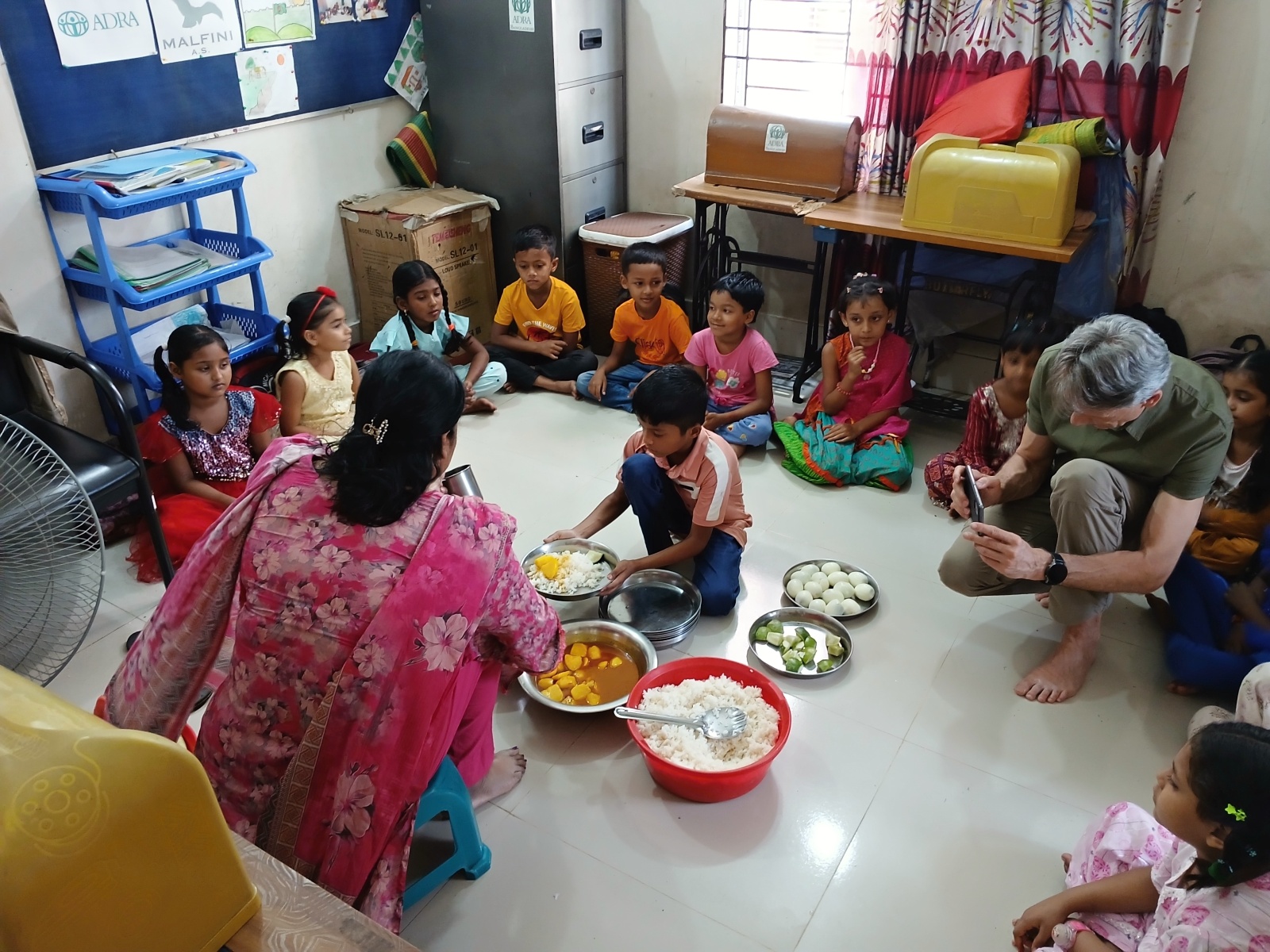
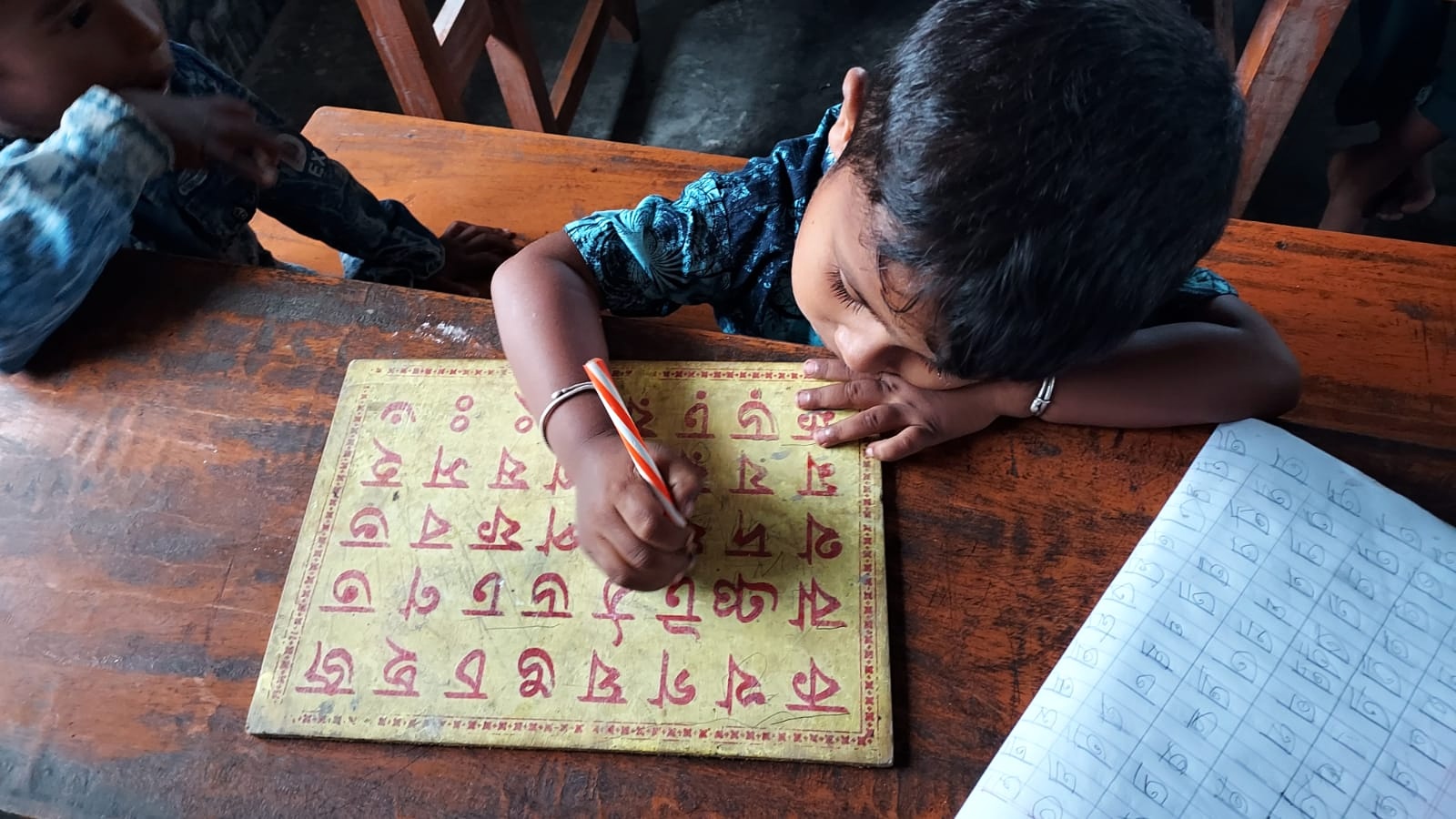
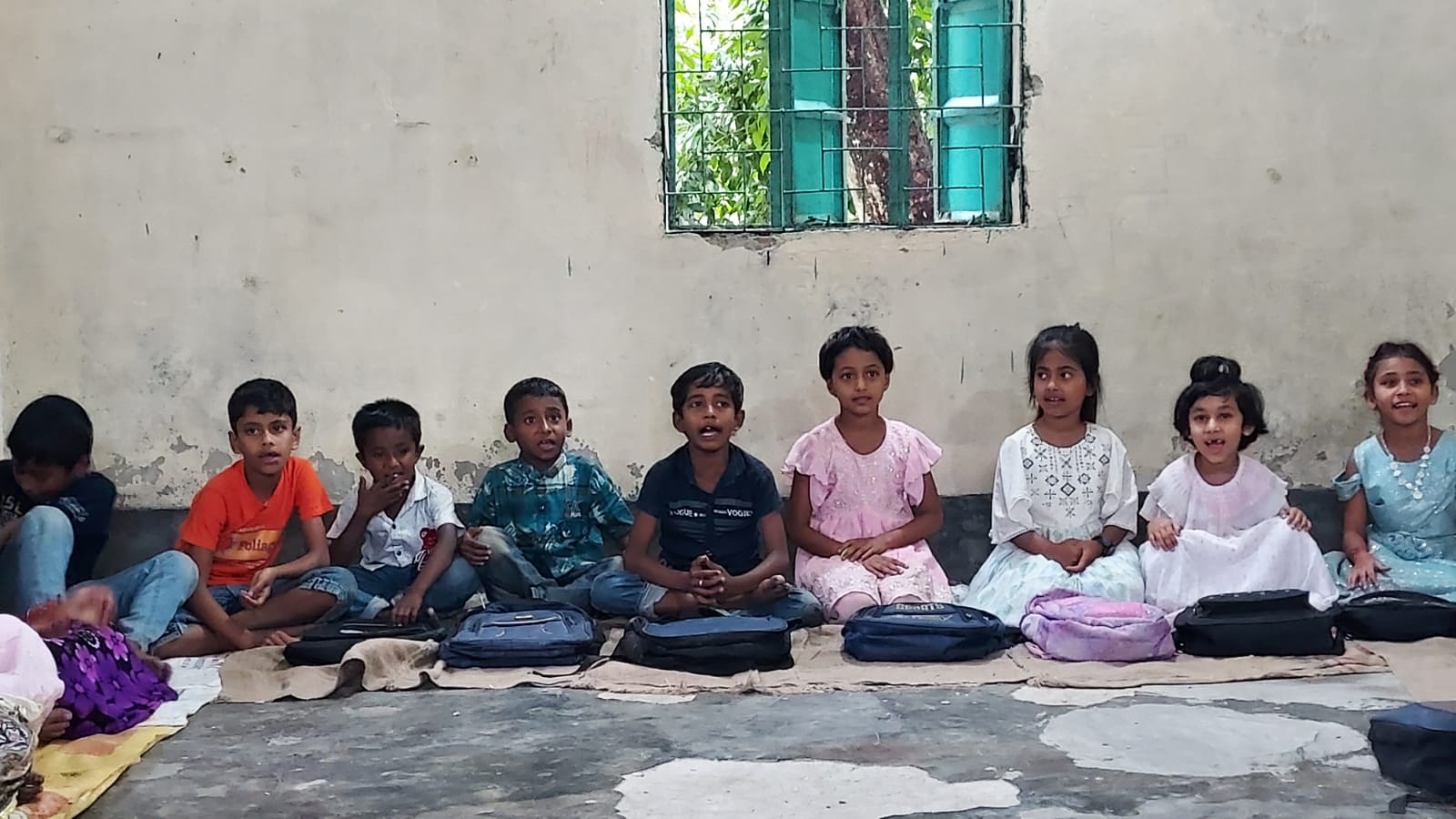
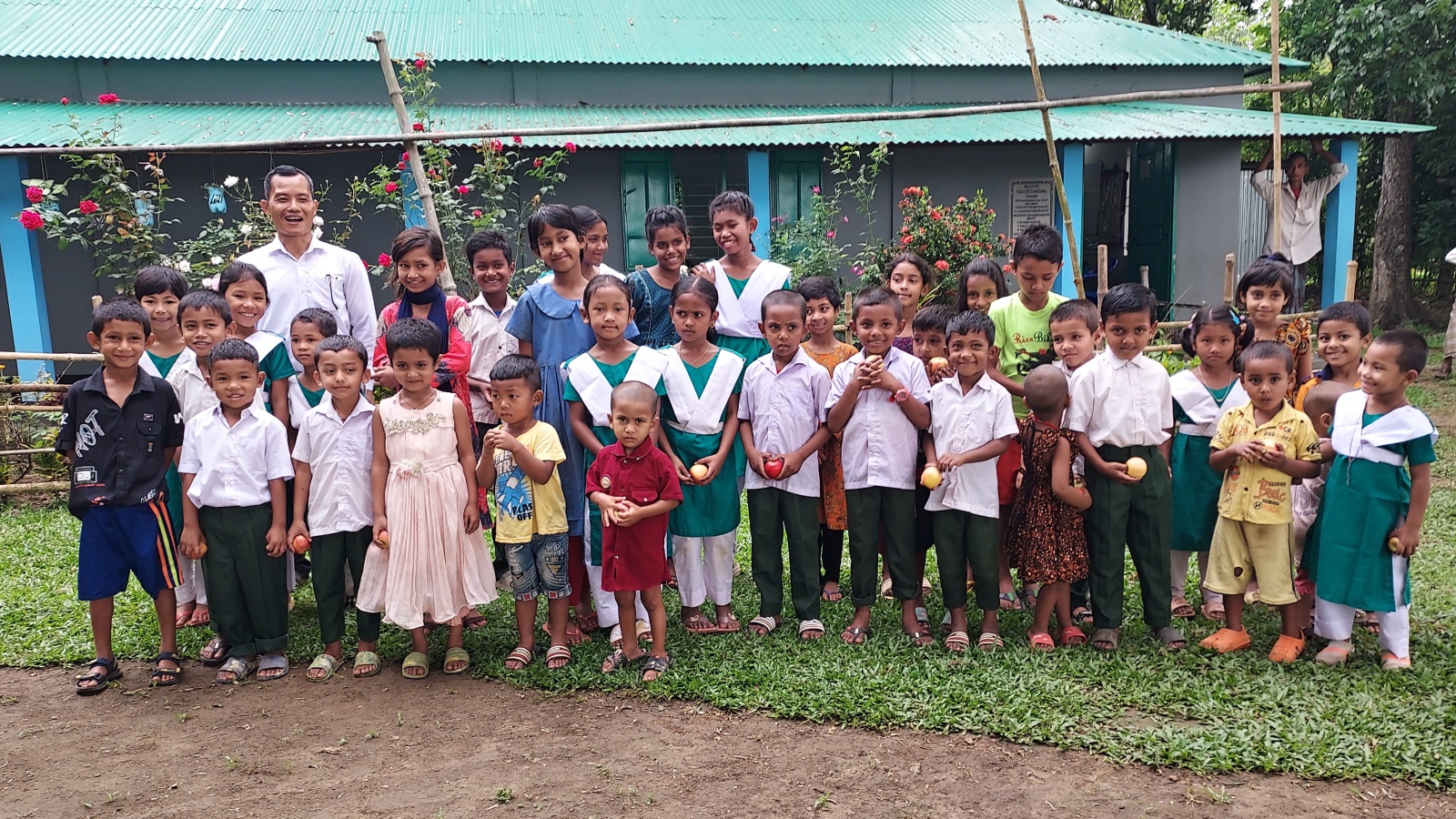
When you see children at school, full of life, laughing, singing, and looking happy, you suddenly understand in a completely different way why it all makes sense. At the same time, you see a huge contrast.
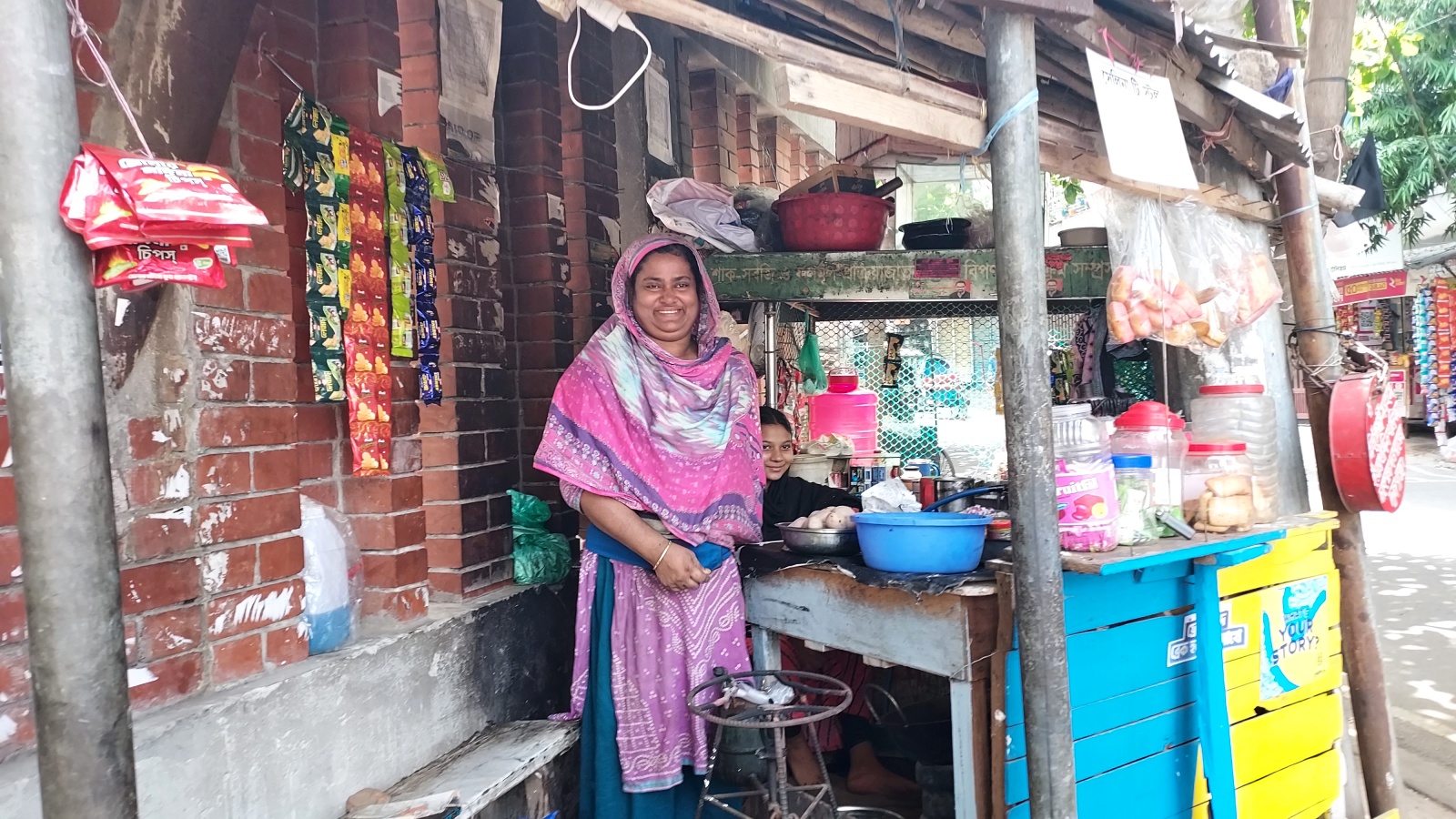
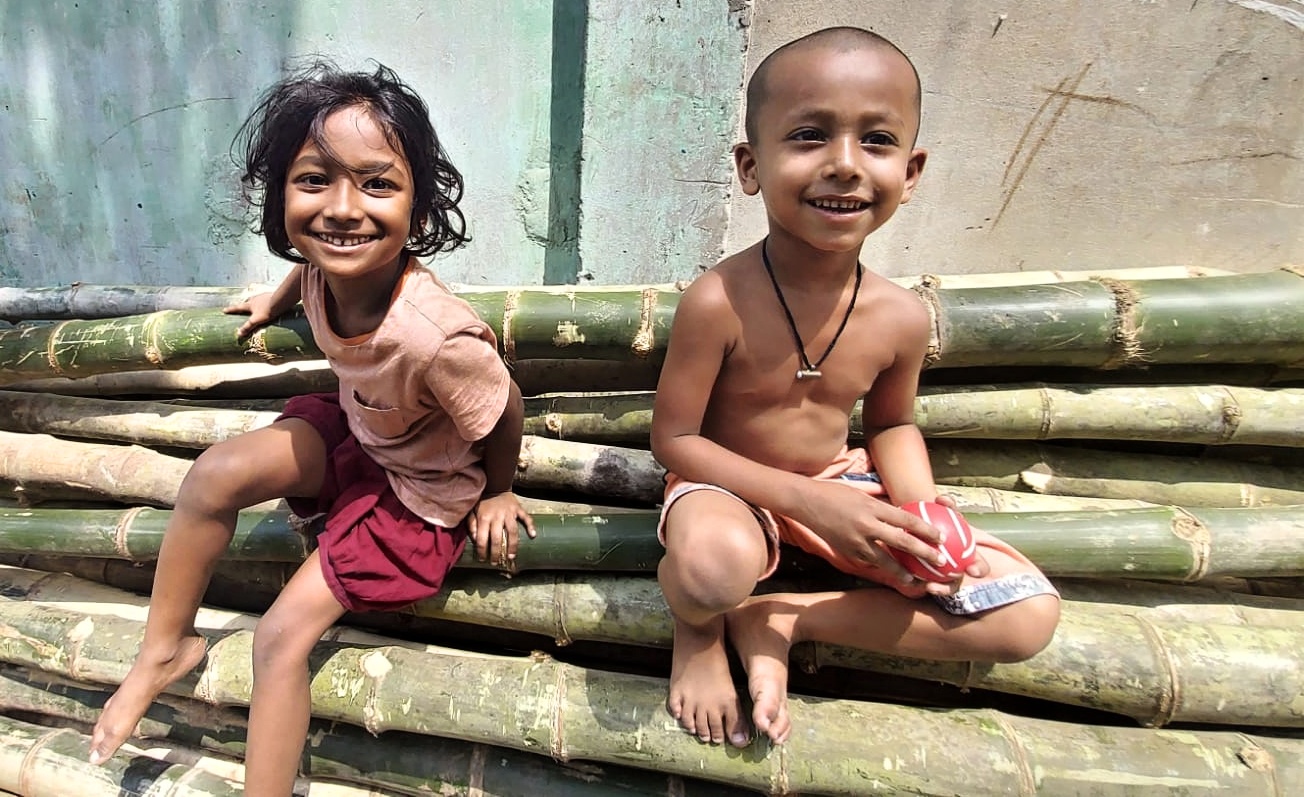
Here, children go to school, they have a safe environment, food, someone who takes care of them. And then outside you see children who are simply on the streets or working. That’s probably what stayed with me the most.
 They say you were given a very grand welcome at the schools…
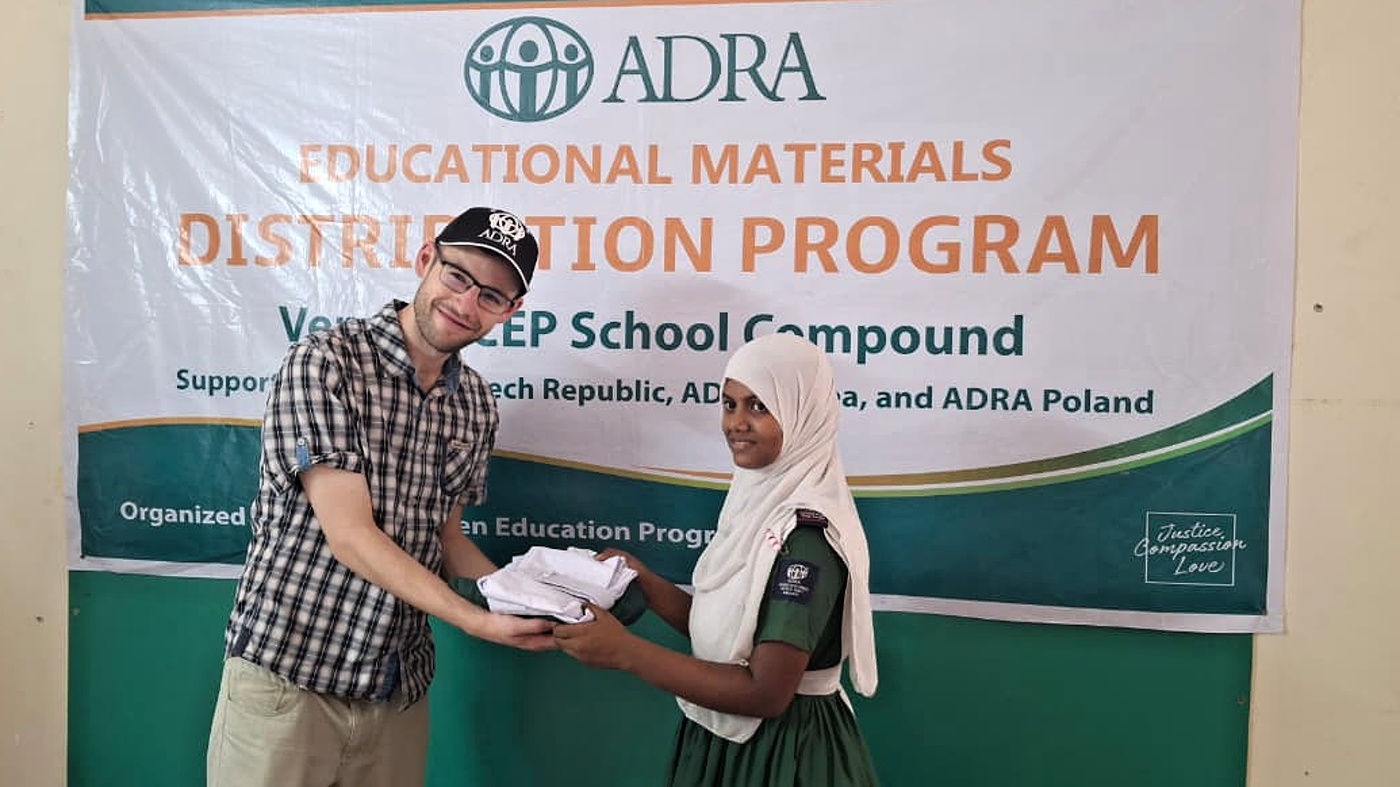
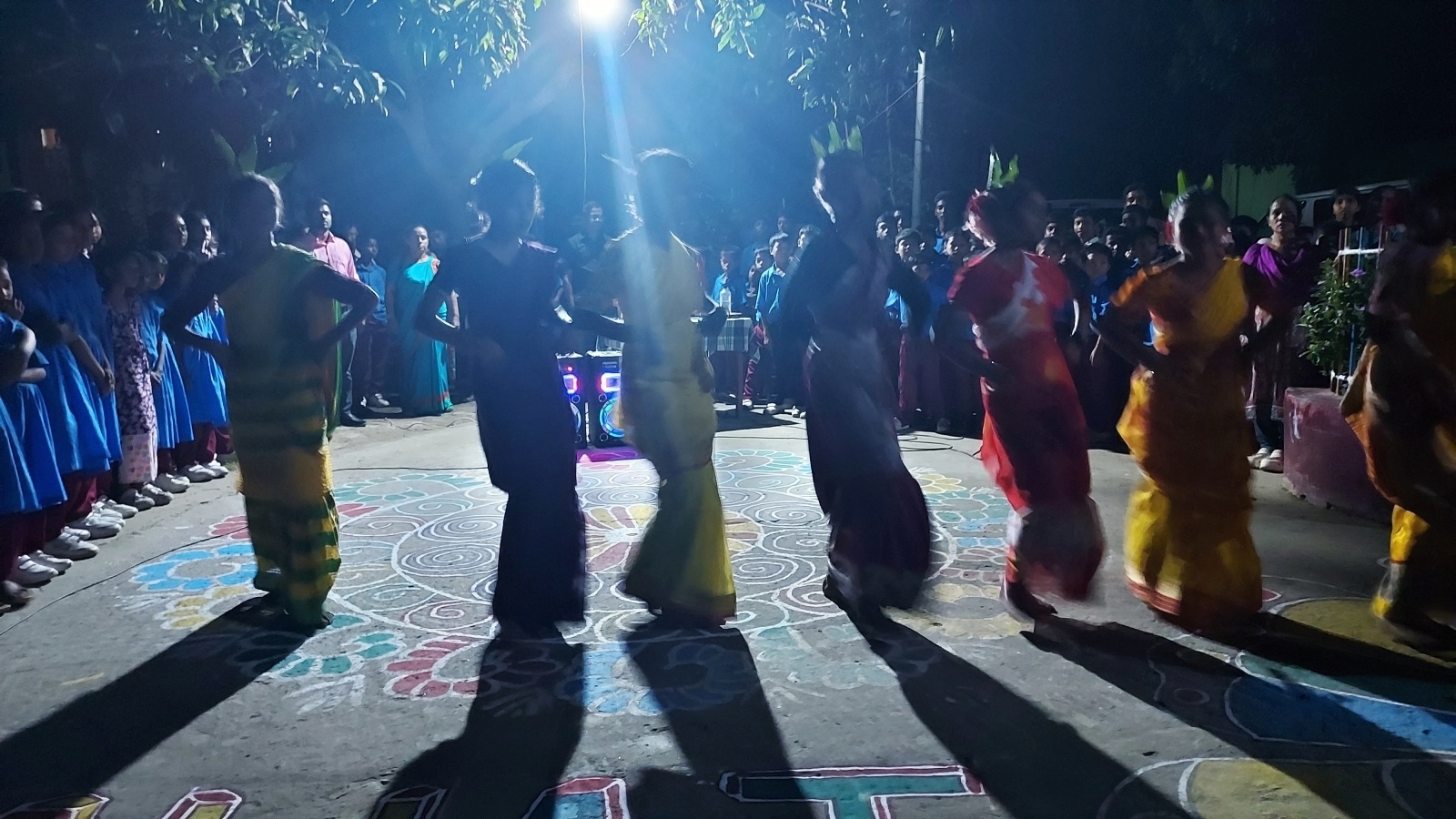
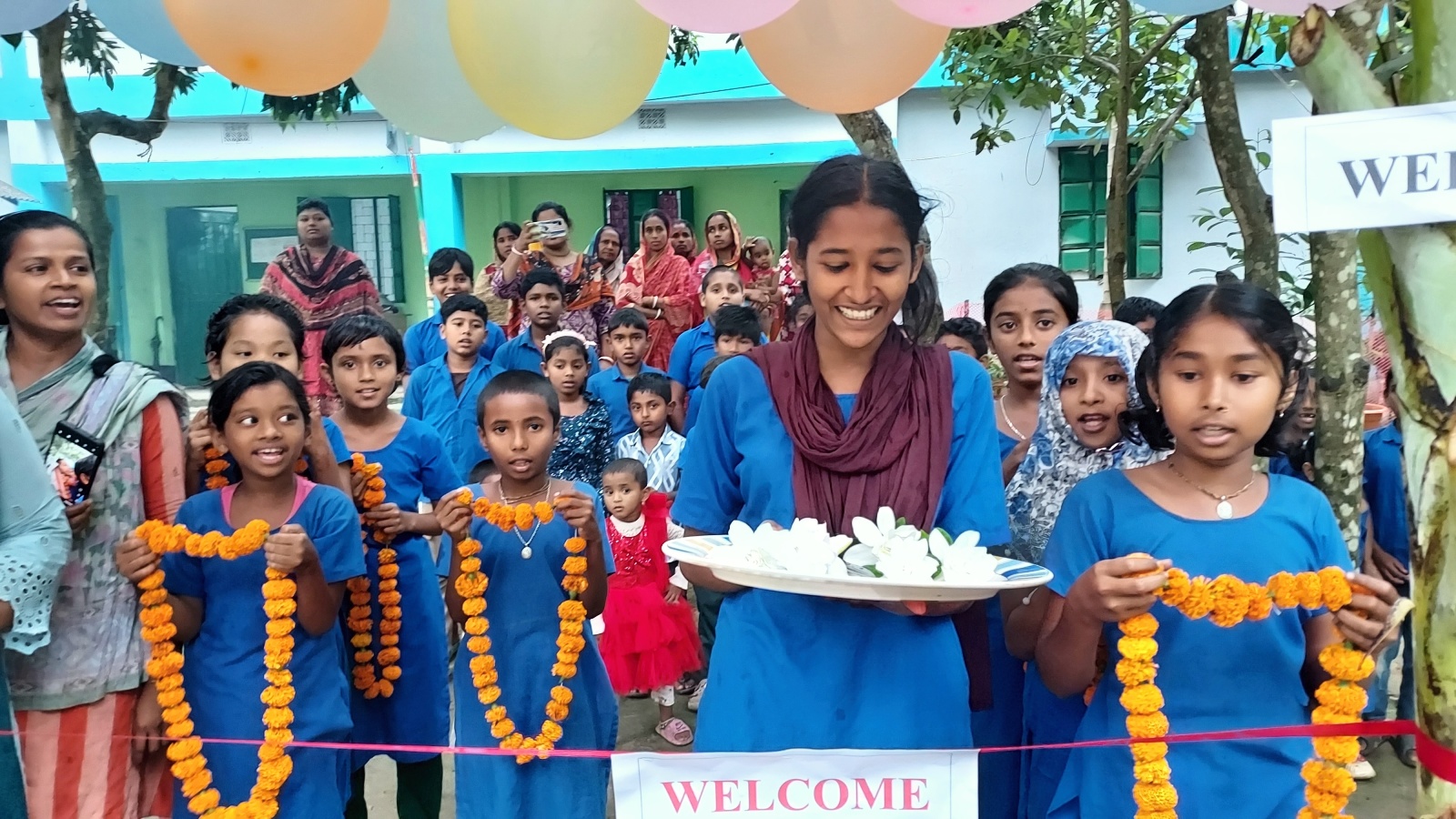
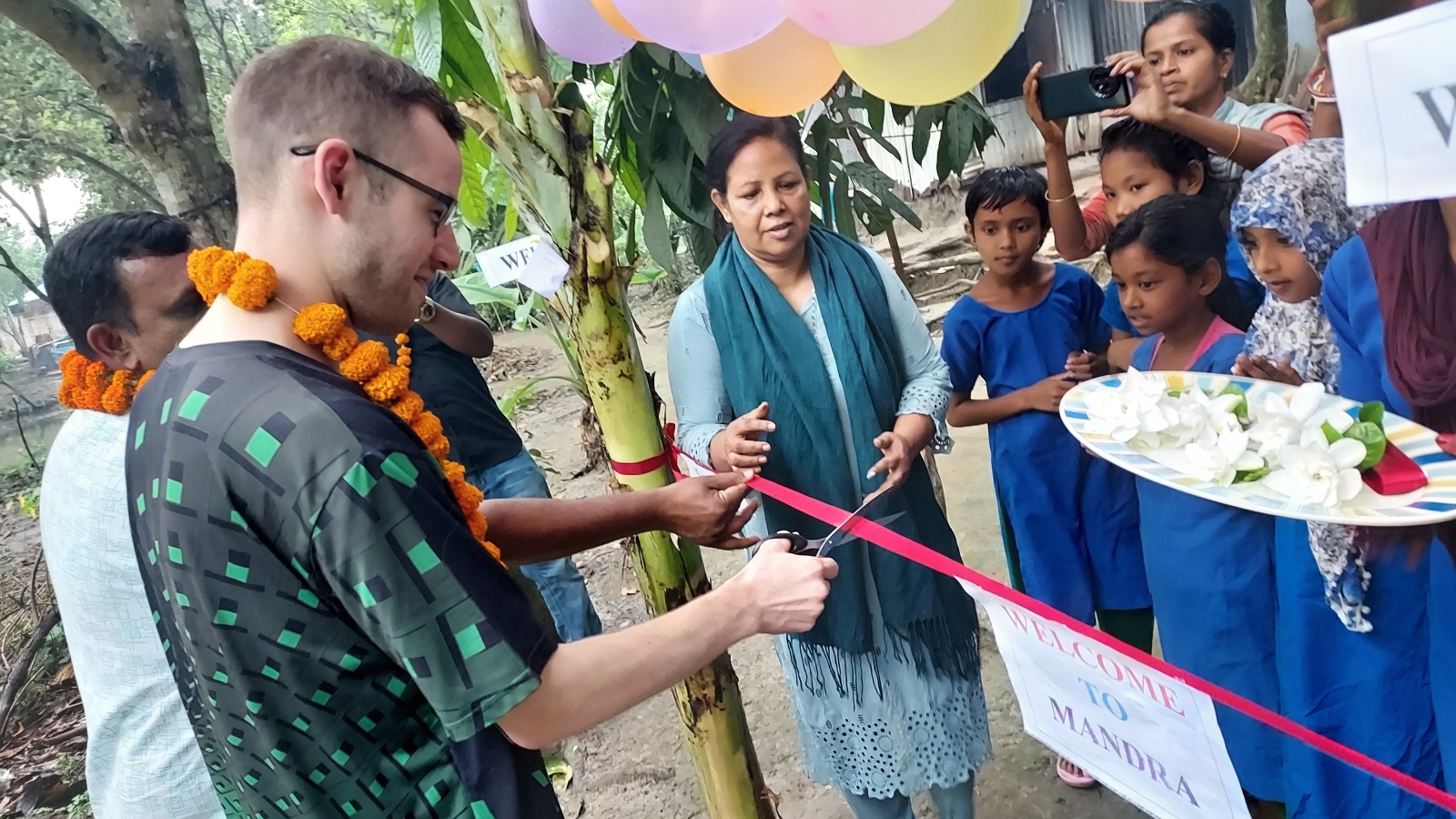
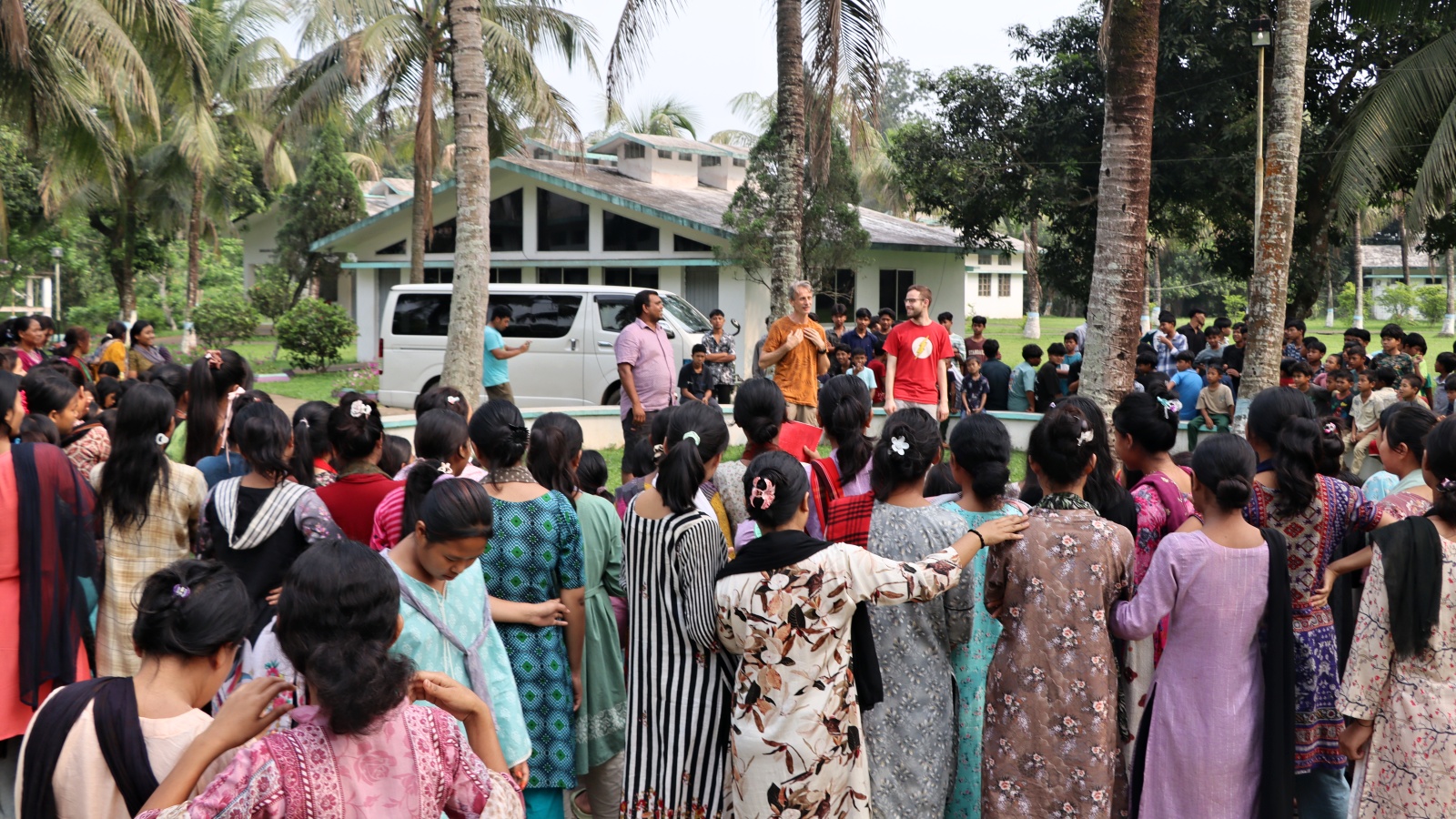
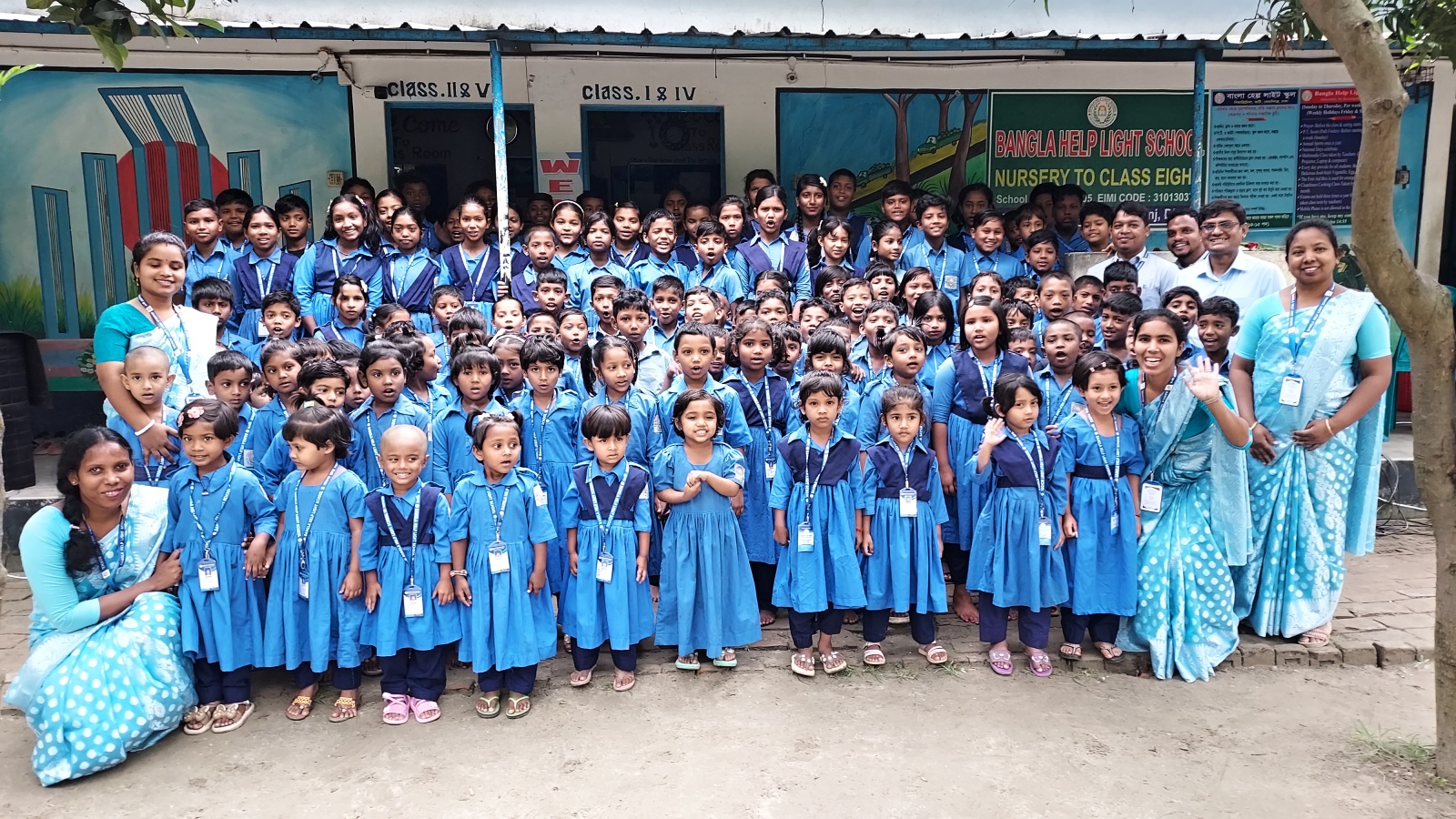
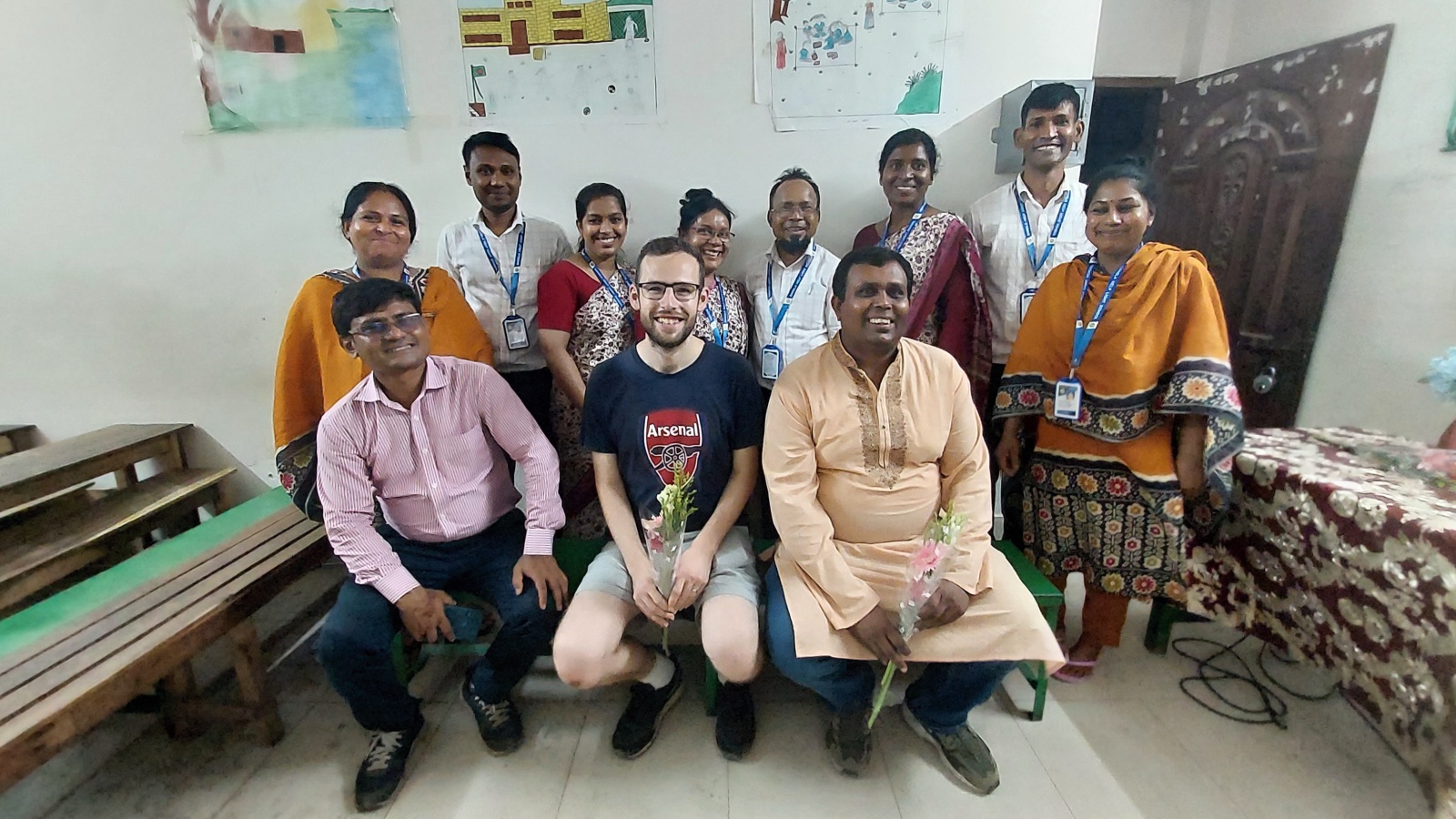
Yes, that was very powerful. At every school we were almost treated like celebrities. The children sang, danced, and gave us flowers.
It was incredibly kind, but also very intense. And as an introvert, I sometimes found it quite demanding. When you stand in front of five hundred children in a school hall and have to say something… it definitely takes you out of your comfort zone.
And the biggest challenge of the whole trip?
When about half an hour before an evening meeting they told me to prepare a motivational speech. That was the moment I thought: “OK, let’s do this.” (laughs)
A thin line
The encounters with people in the slums and projects for the children of prostitutes must have been intense as well.
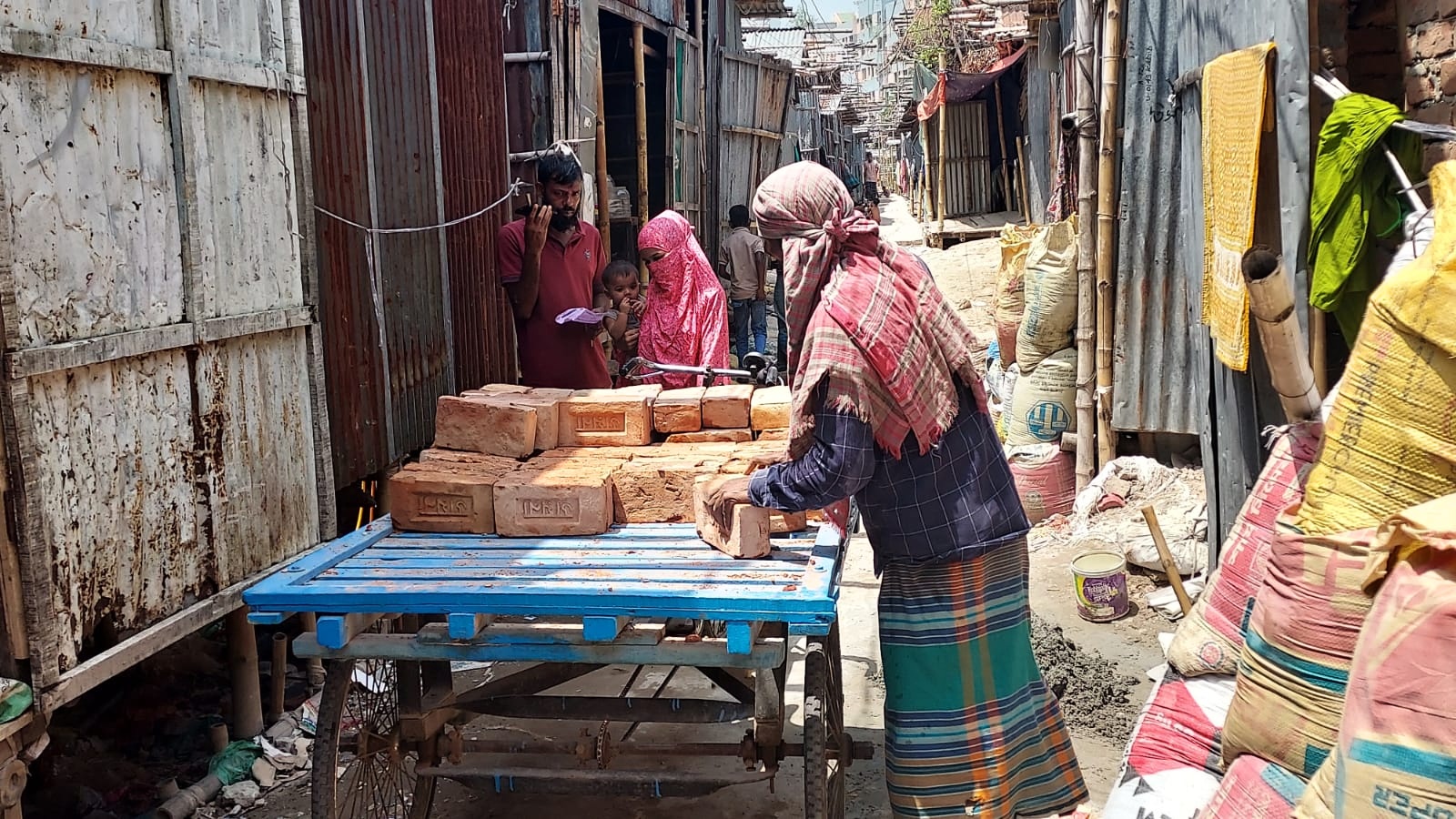
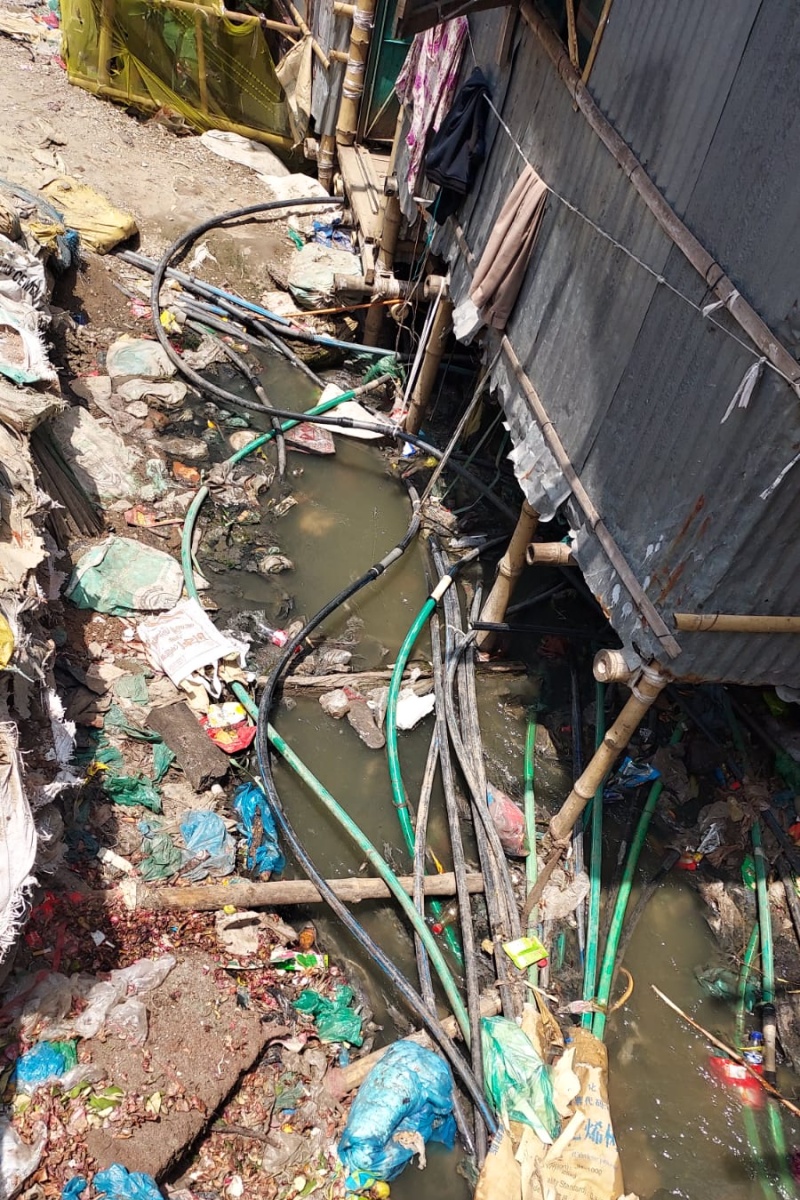
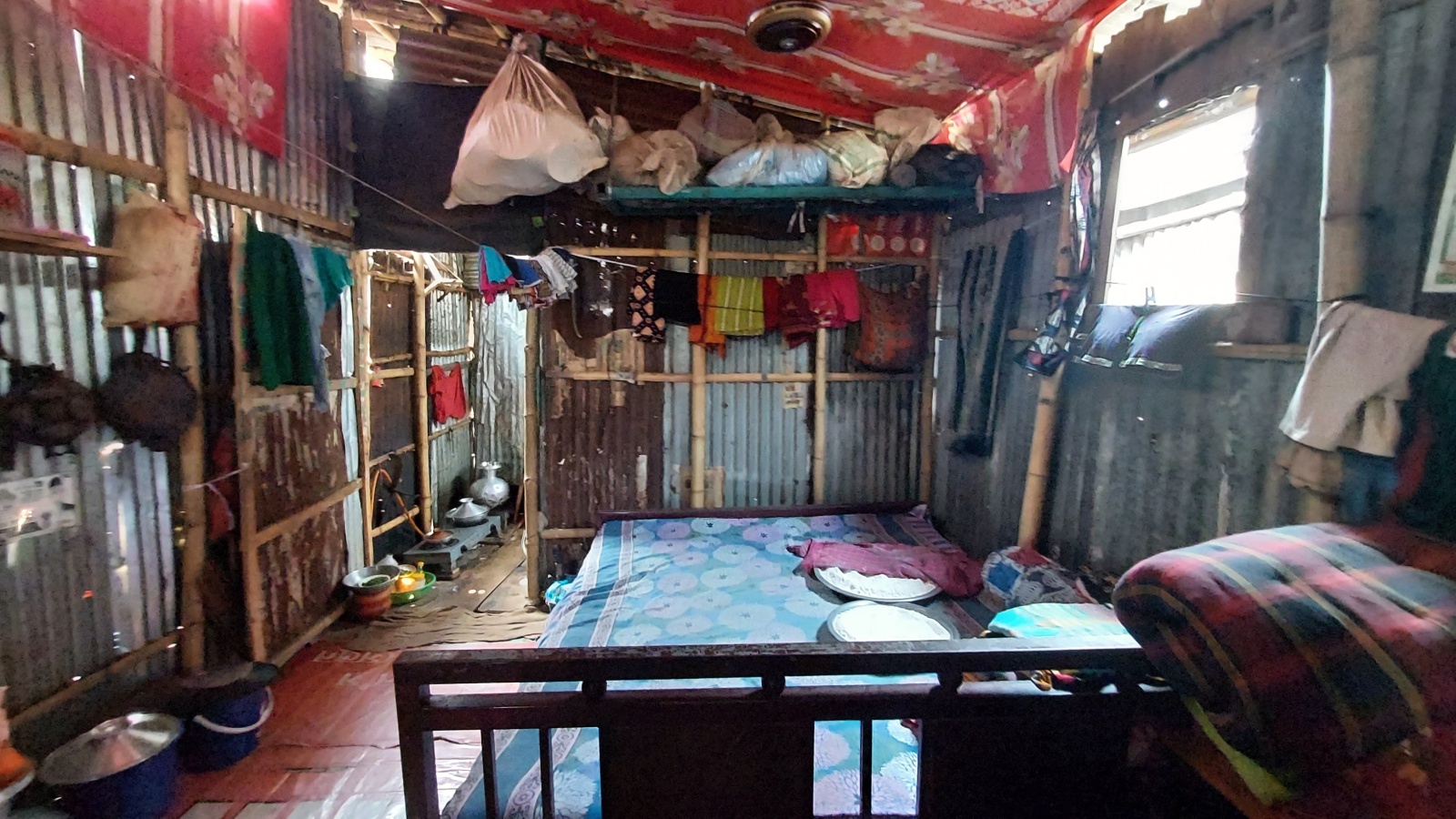
The slum was very tough. To see how entire families sometimes live in such small spaces… the heat, the rubbish, extremely makeshift conditions.
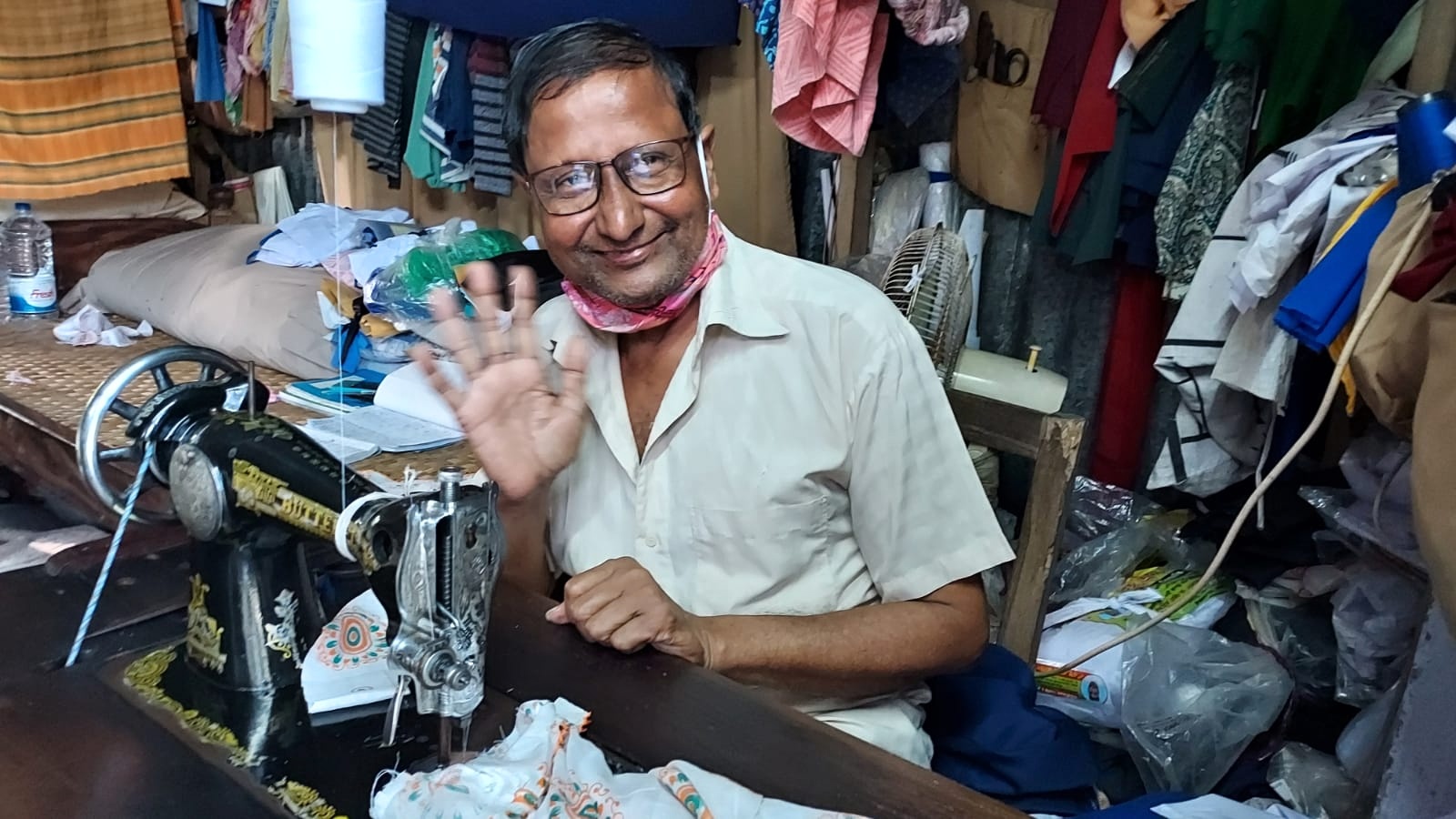
Then we went to places where our colleagues from BCSS help the children of prostitutes. And there was a moment I’ll remember for a long time. Our colleague Shohag told us how some of the children had been exploited to sell drugs. Then he paused and said: “This really hurts me.”
At that moment I could truly feel how deeply he lives this. How much he cares about those children. And at the same time I saw the contrast. Those children can be in a safe environment among people who care about them. Or they can end up somewhere completely different.
And sometimes it really comes down to something small. Whether they go to school or not. Whether someone takes them in. And at that moment I said a sentence to myself that will stay with me: “These projects are small pieces of heaven amid hell.”
_B.jpg)
Football, heat and unexpected popularity
Any other challenges?
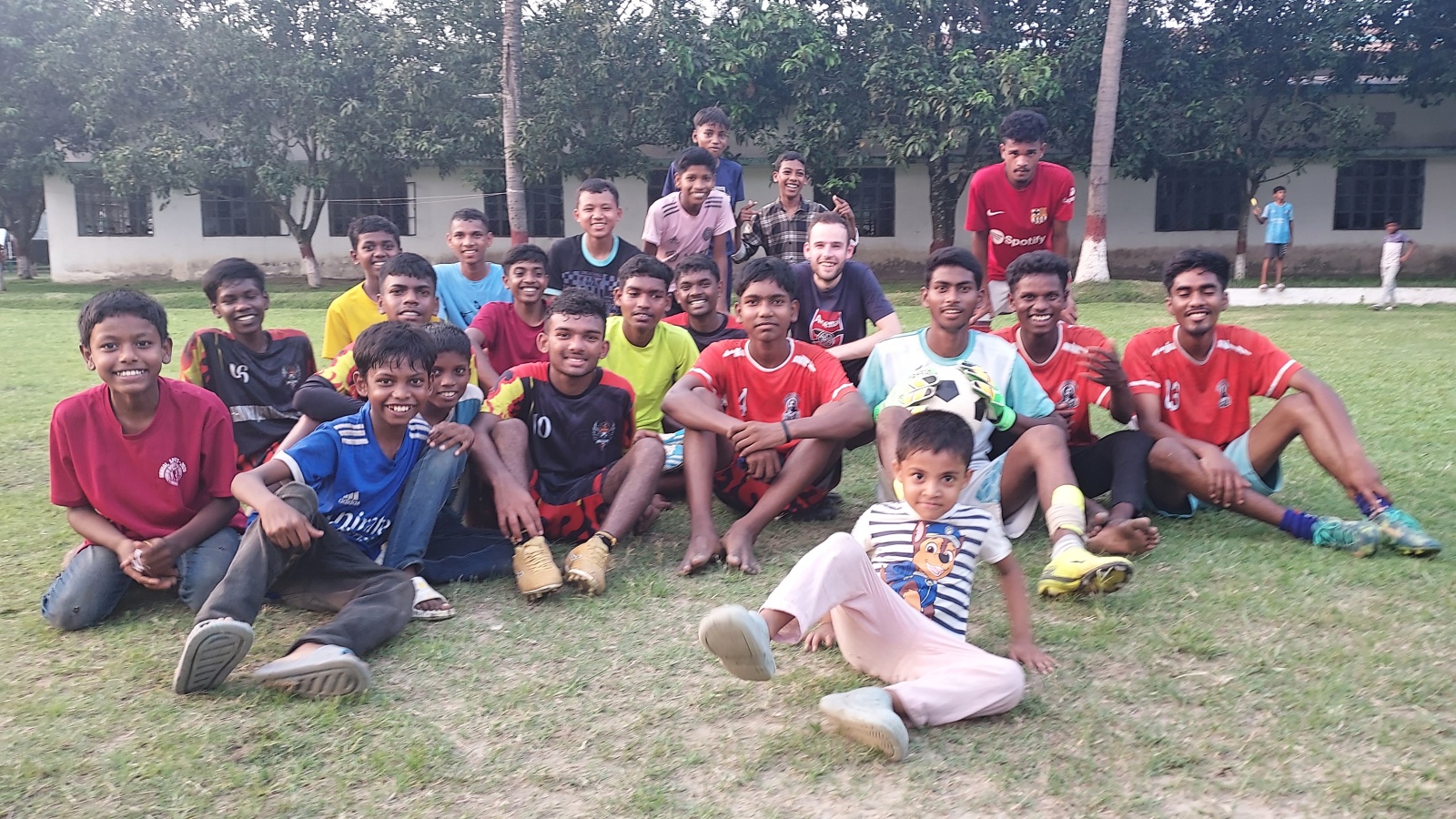
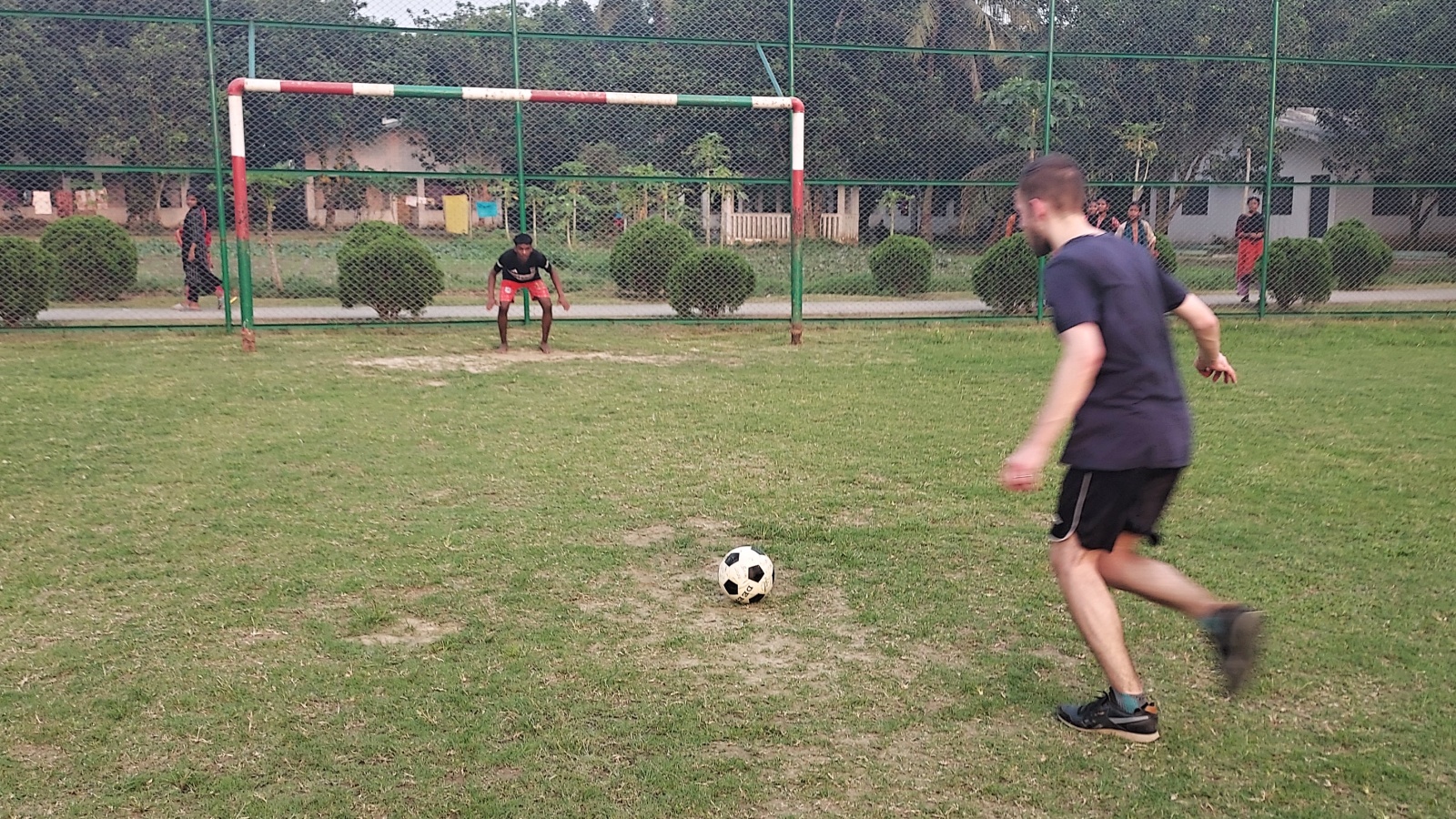
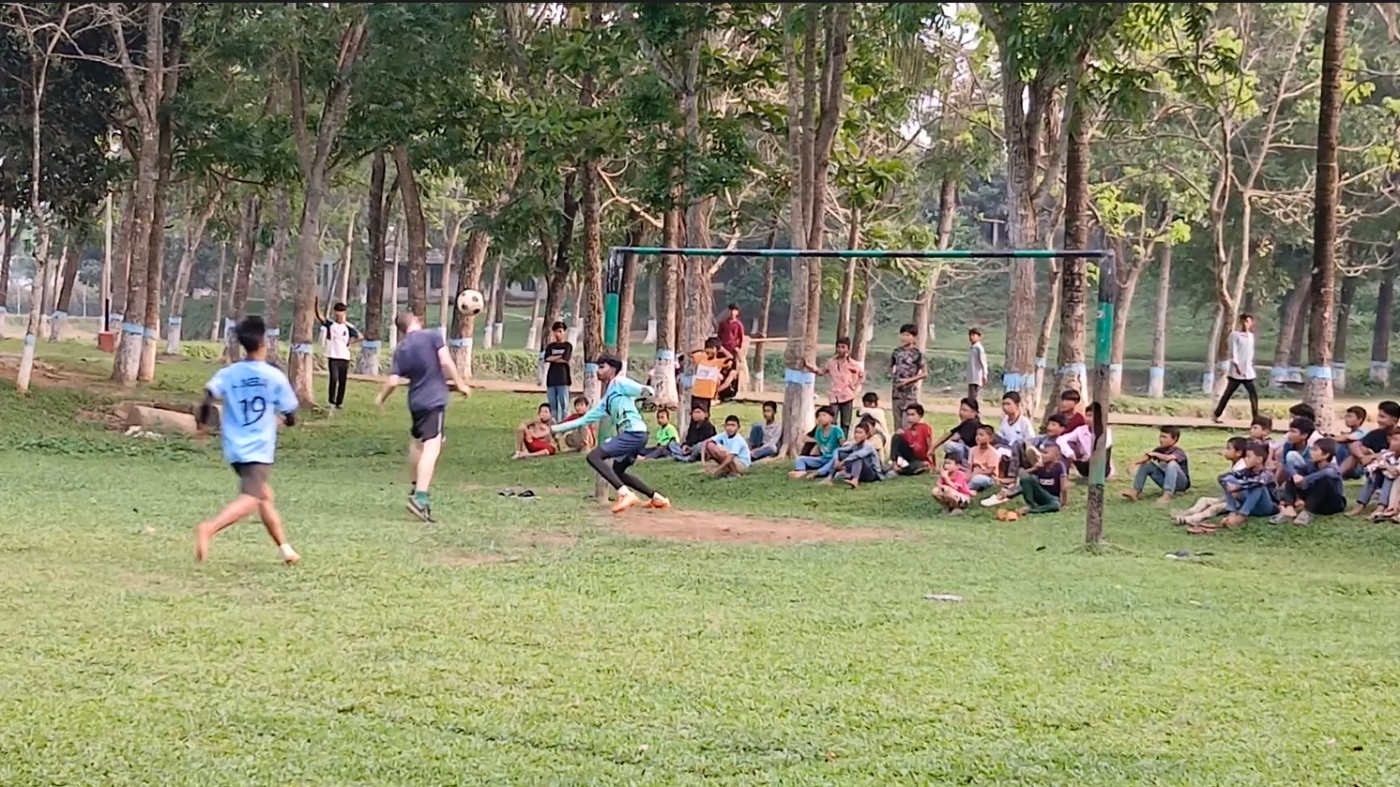
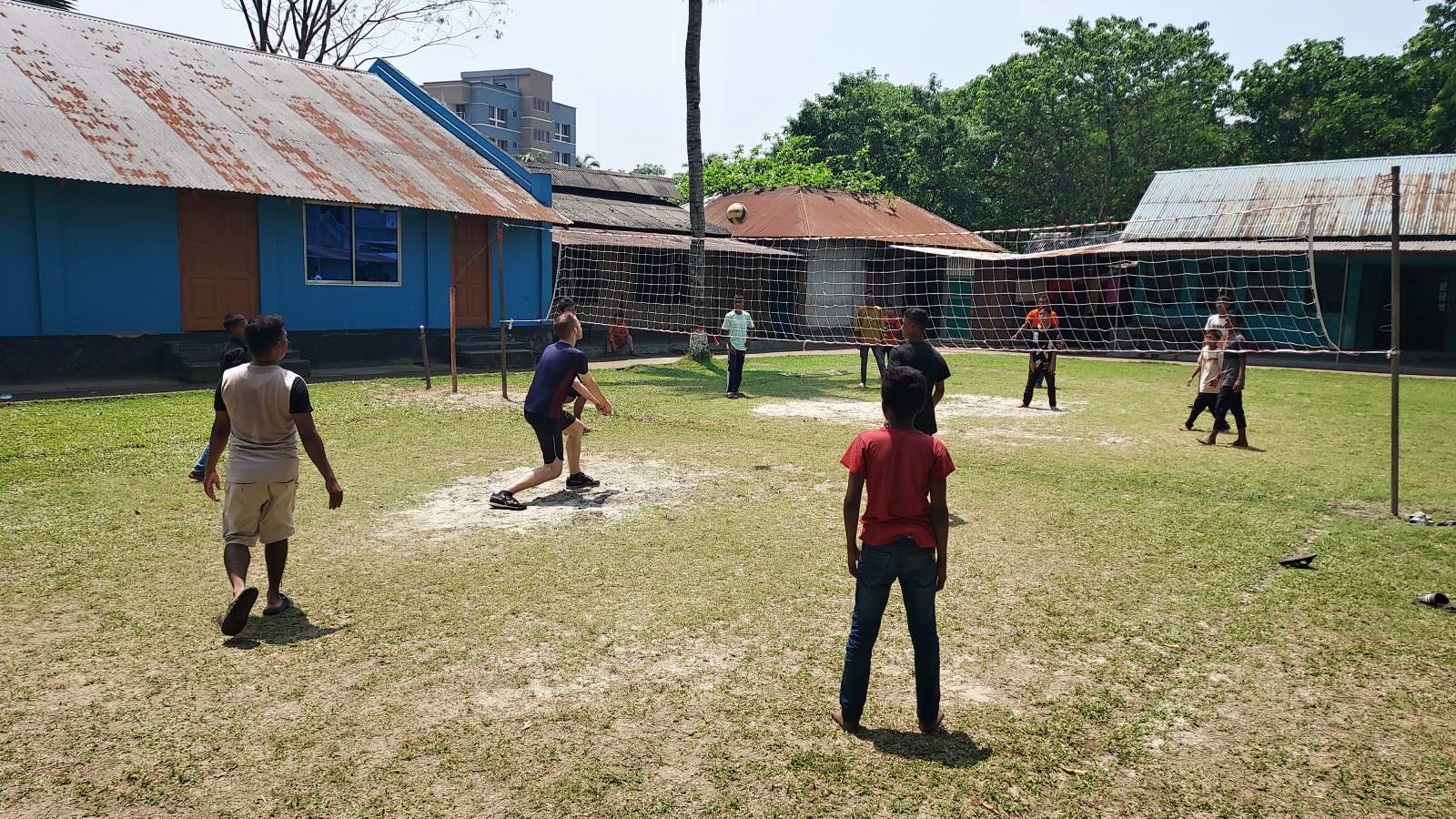
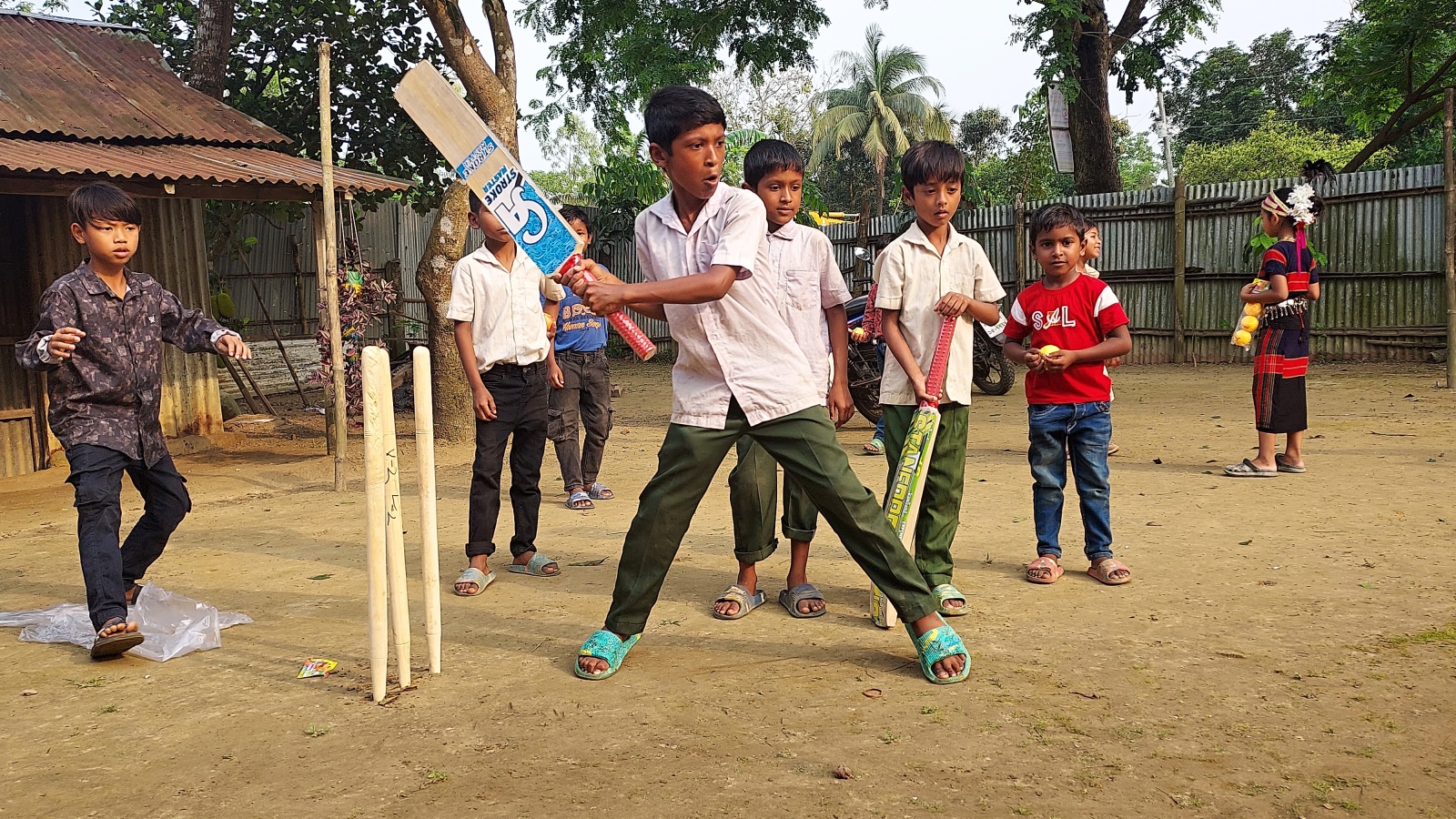
Of course (laughs). Playing football in thirty-five-degree heat… I’m not used to that. After one match I was kneeling in my room, really trying to catch my breath. For a moment I felt like I might collapse.
On top of that, on the very first day I borrowed football boots two sizes too small. That was a very bad idea. My toenails turned purple and hurt for a long time.
And maybe a lighter moment?
Yes. For the first time in my life, people wanted to have their photos taken with me just because I’m white.
And I have to admit, I may have caused a bit of jealousy back home when I talked about how some of the looks from people there were… very curious. (laughs)
What you take home
What did the trip give you the most?
Probably a strong reassurance that it all has meaning.
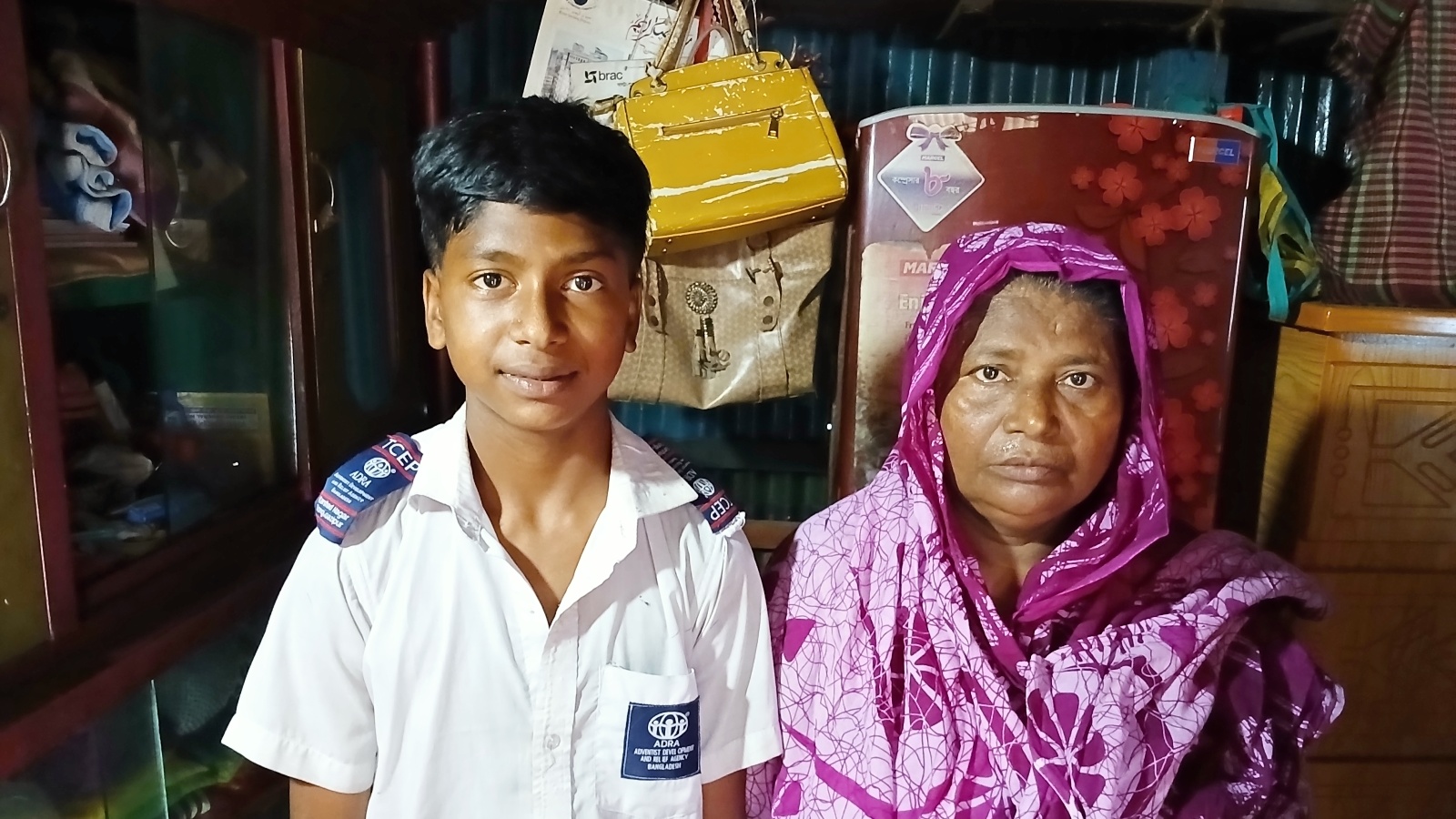
When you see the contrast between where the children live and what the schools can provide for them, you understand what an enormous difference it makes. What is a normal standard for a child in the Czech Republic is not a standard in Bangladesh.
At the same time, I realised how incredibly thin the line is between completely different lives. And that sometimes it really comes down to whether a child gets access to school. Or whether someone helps them.