Anna: Family Ties in Bangladesh
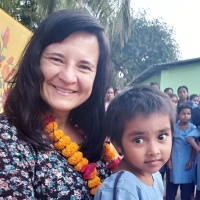
After fourteen years of supporting children in Bangladesh, Anna — a BanglaKids donor and the wife of the programme’s director — travelled to Bangladesh for the first time to meet the children in person. The journey began with an unexpected delay and a stolen mobile phone, and ended with deep inner peace, unexpected encounters and a beautiful vision of how to continue helping children in the future.
Anna, thank you for accepting the invitation to this interview. How did you get involved in the BanglaKids programme?
I no longer remember the exact first impulse. The first child we started supporting together was an orphan called Ronjon, who has an older sister and brother. It was in 2011, and he was about seven years old.
 Three years later, I joined ADRA and began leading the BanglaKids programme. What was that like for you?
New, unexpected and nice. Thanks to your work, I had first-hand information about Ronjon. Several times, you even called me from Bangladesh during monitoring visits. After his first meeting with you, Ronjon learned English within a year and communication became easier. He started calling me “mum”.
An unexpected delay and a stolen mobile phone
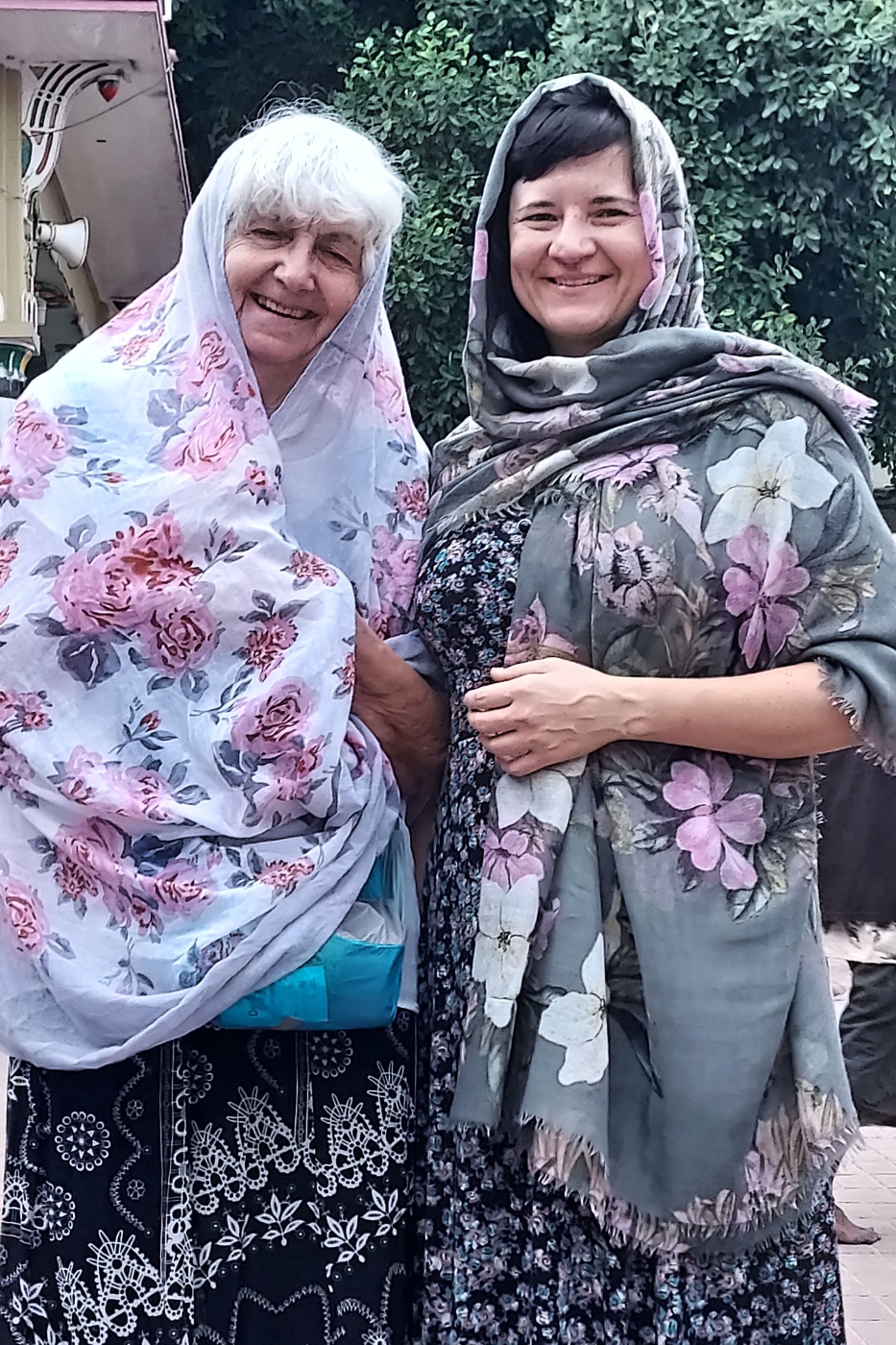
After fourteen years of support, you travelled to Bangladesh in person. You were accompanying Ivanka, aged 76, who had supported a girl called Misty for almost twenty years. You experienced a 24-hour delay on the journey. What happened?
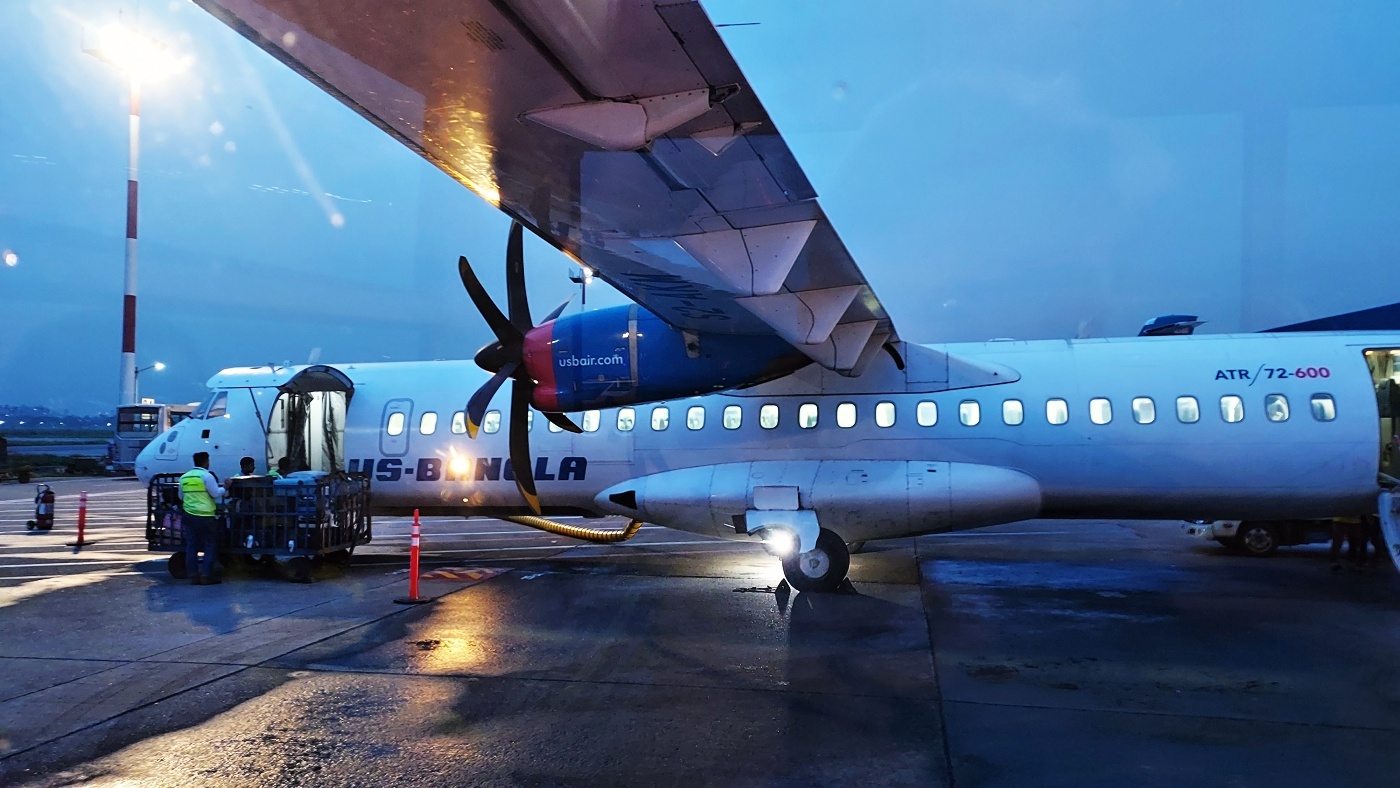
Already in Vienna, we were delayed by about an hour and a half, so it was clear we would miss our flight to Dhaka in Istanbul. In the end, we were actually glad. We were both very tired and sleep-deprived, and a night in Istanbul came in handy. The delay was unpleasant, but we found something positive in it – we were able to rest.
How did Ivanka cope with it?
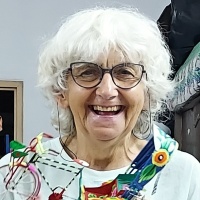 It was demanding for her, but she handled it wonderfully. She remained enthusiastic and kept saying: “I can’t believe I’m going to Bangladesh. I don’t deserve this at all.”
What were your first impressions of Bangladesh?
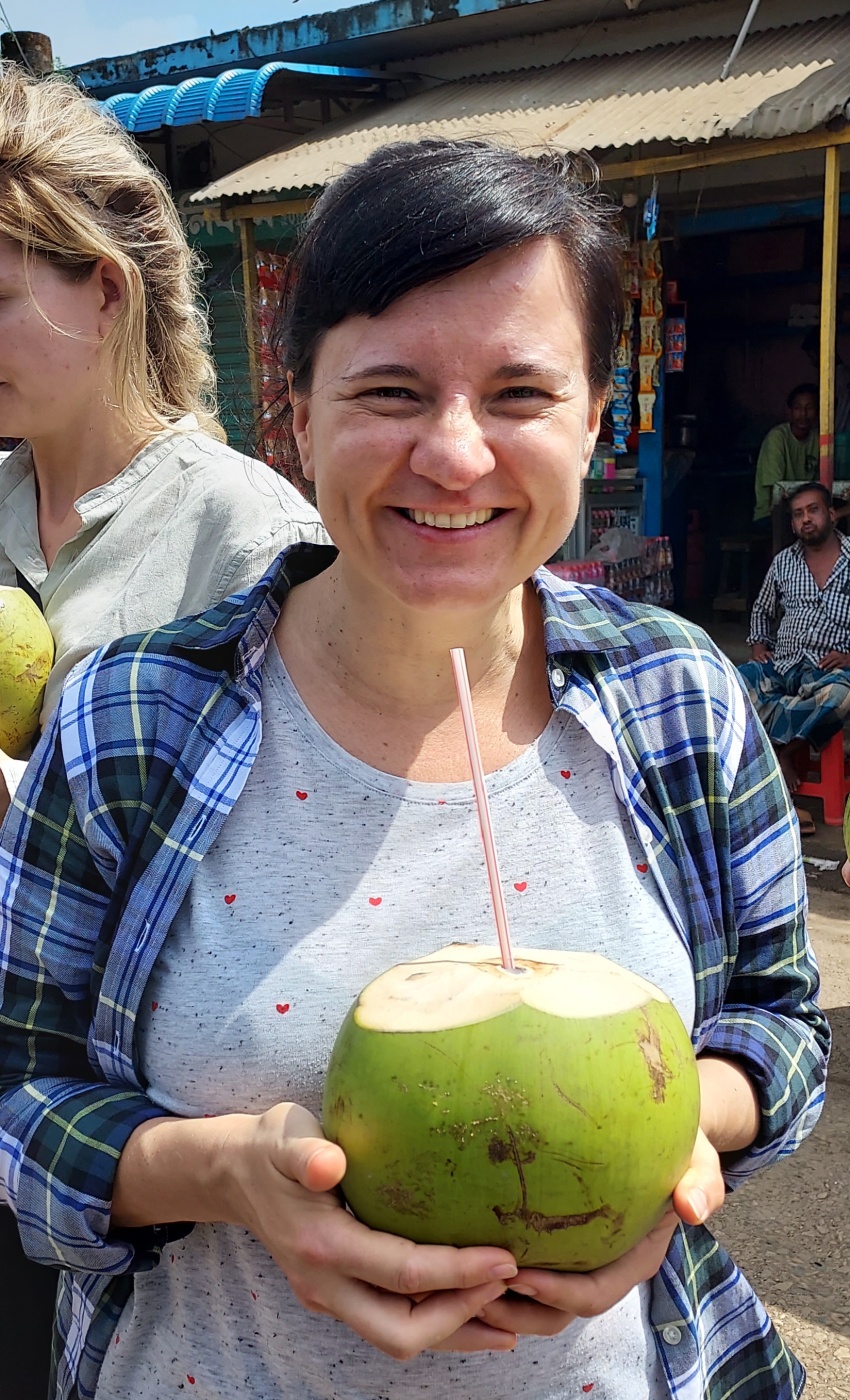
I compared it a lot to Africa, which I know from mission trips. People in Bangladesh are very poor, and many live in a small space. But I felt that the culture is closer to ours than in Africa. Whenever we needed something, it was resolved immediately. In Africa, it usually takes much longer. Sometimes we jokingly say that we have watches, and they have time.
That’s interesting – because on your very first evening, your mobile phone was stolen.
Yes, that first encounter wasn’t entirely happy. It took me a while to come to terms with it. But what could I do? My phone was simply stolen. In the end, I enjoyed Bangladesh even more because of it. I didn’t have to document anything or deal with messages. I was more present, here and now. Paradoxically, I even thought that I could be a little grateful to the thief. I’ll still see how much it will cost me, though. It was a work phone.
The children who started calling me “mum”
What was your first meeting with Drisho, whom we support, like?
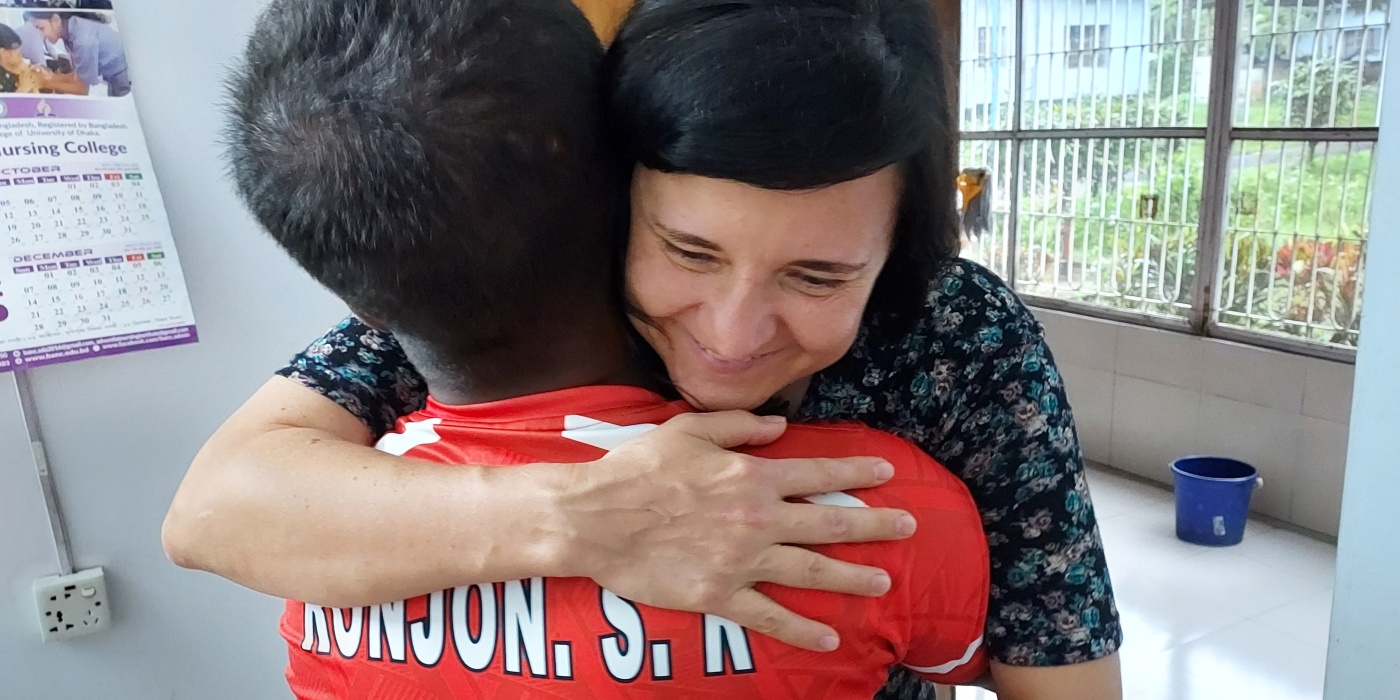
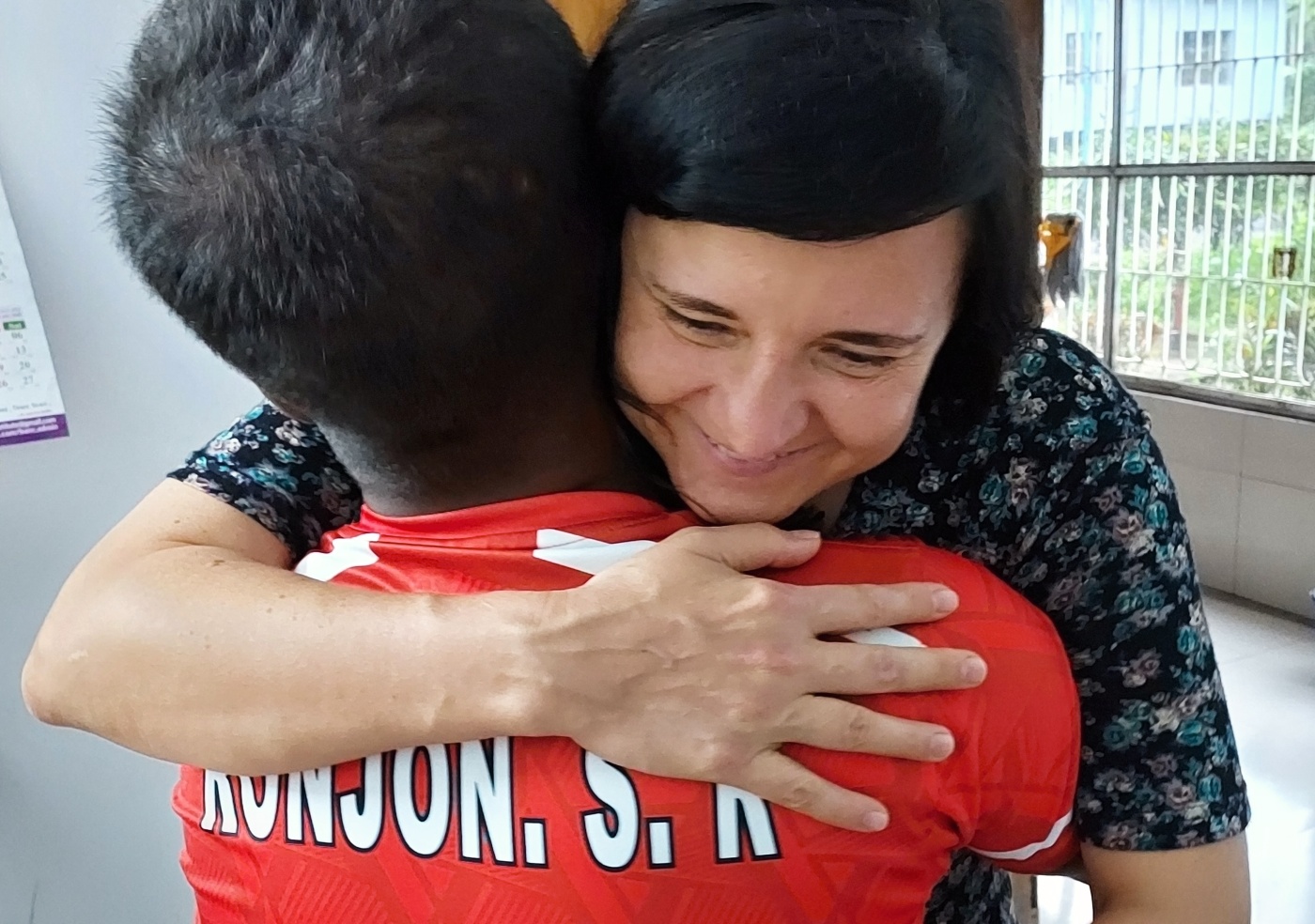
Completely unexpected. He was rather frightened, startled and tired. I felt sorry for him. So I just hugged him and sent him to sleep – it was already late in the evening.
And the following days?
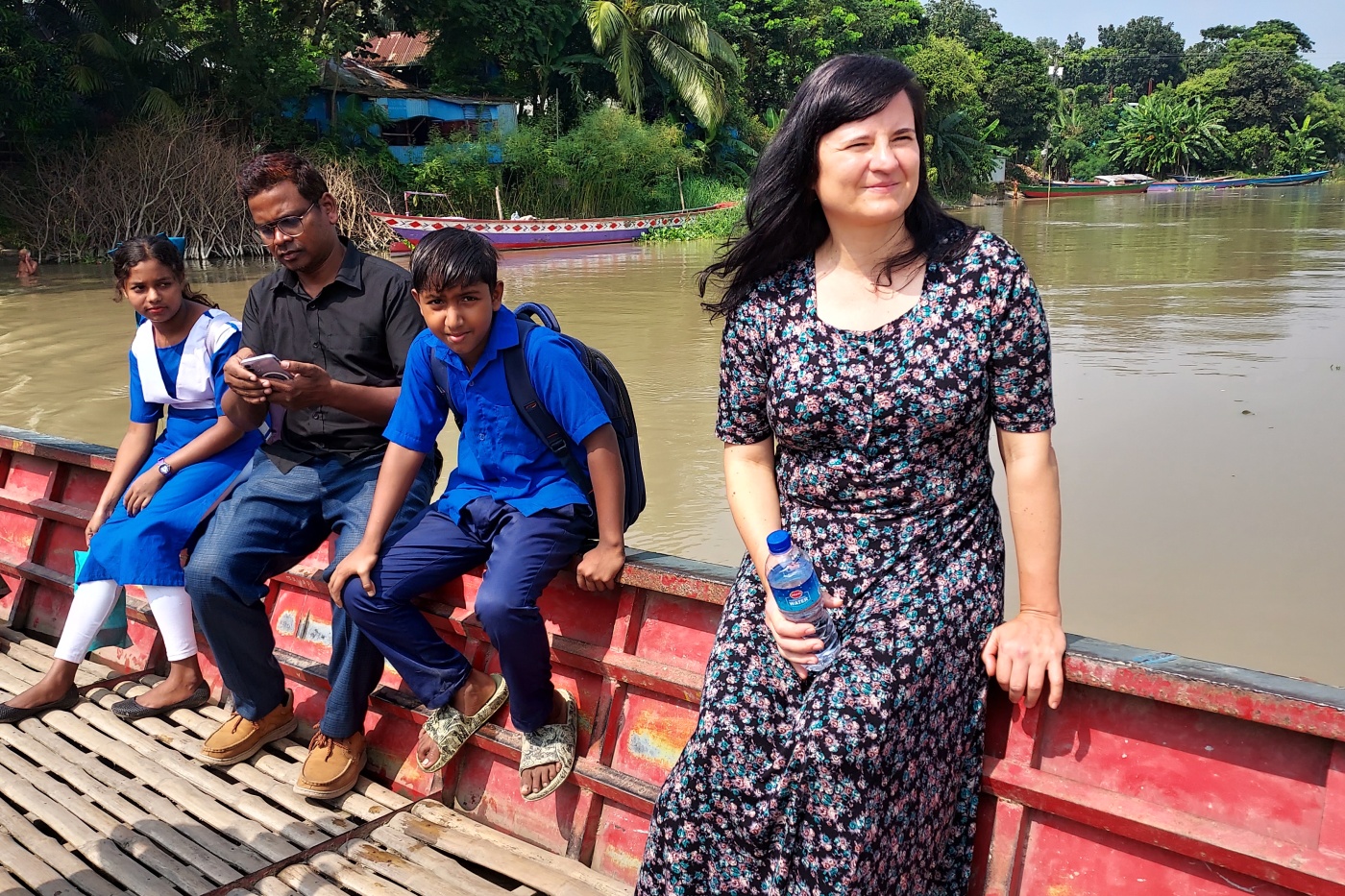
Gradually, things changed. I tried to build a relationship. We went on trips by car and boat, bought things he needed. And in the evening, we waded in the Indian Ocean – we really enjoyed that together.
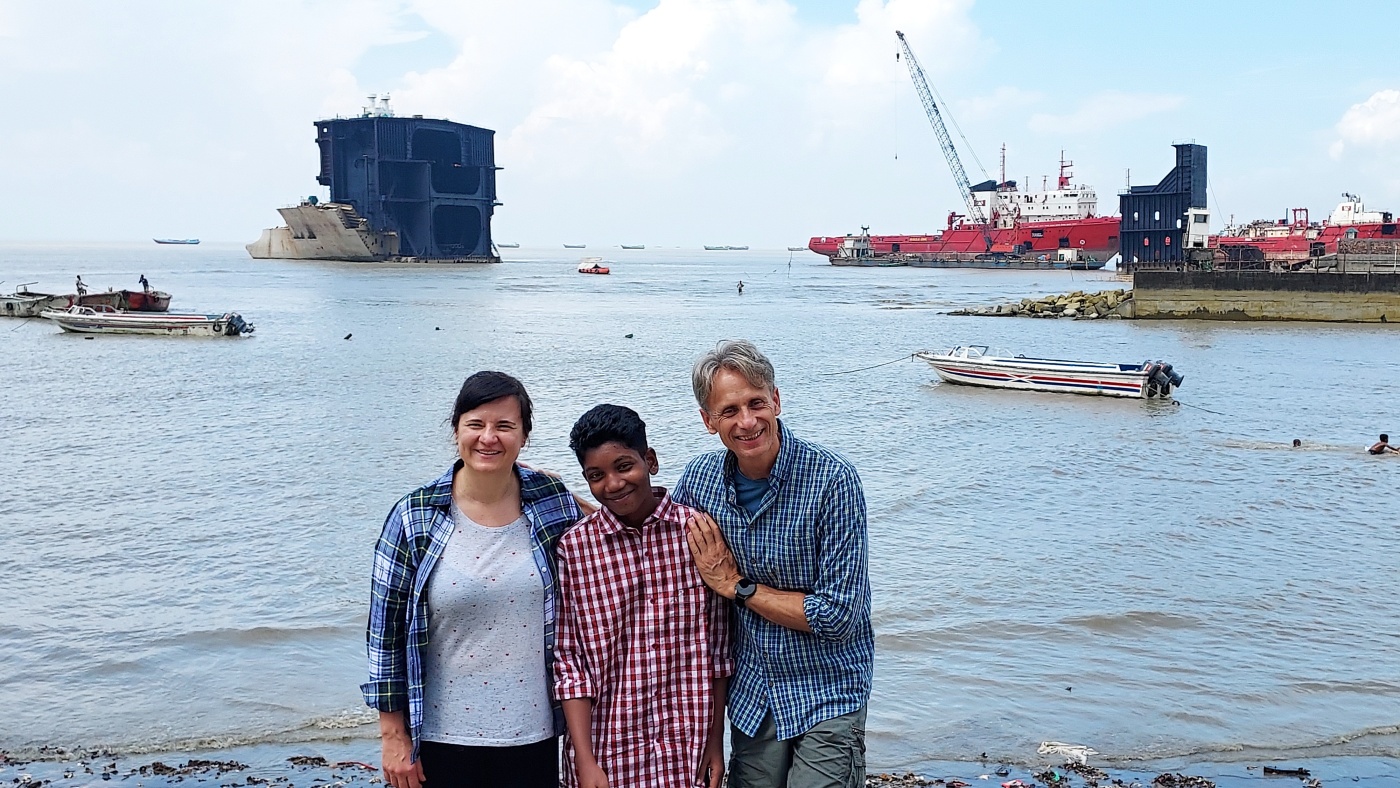
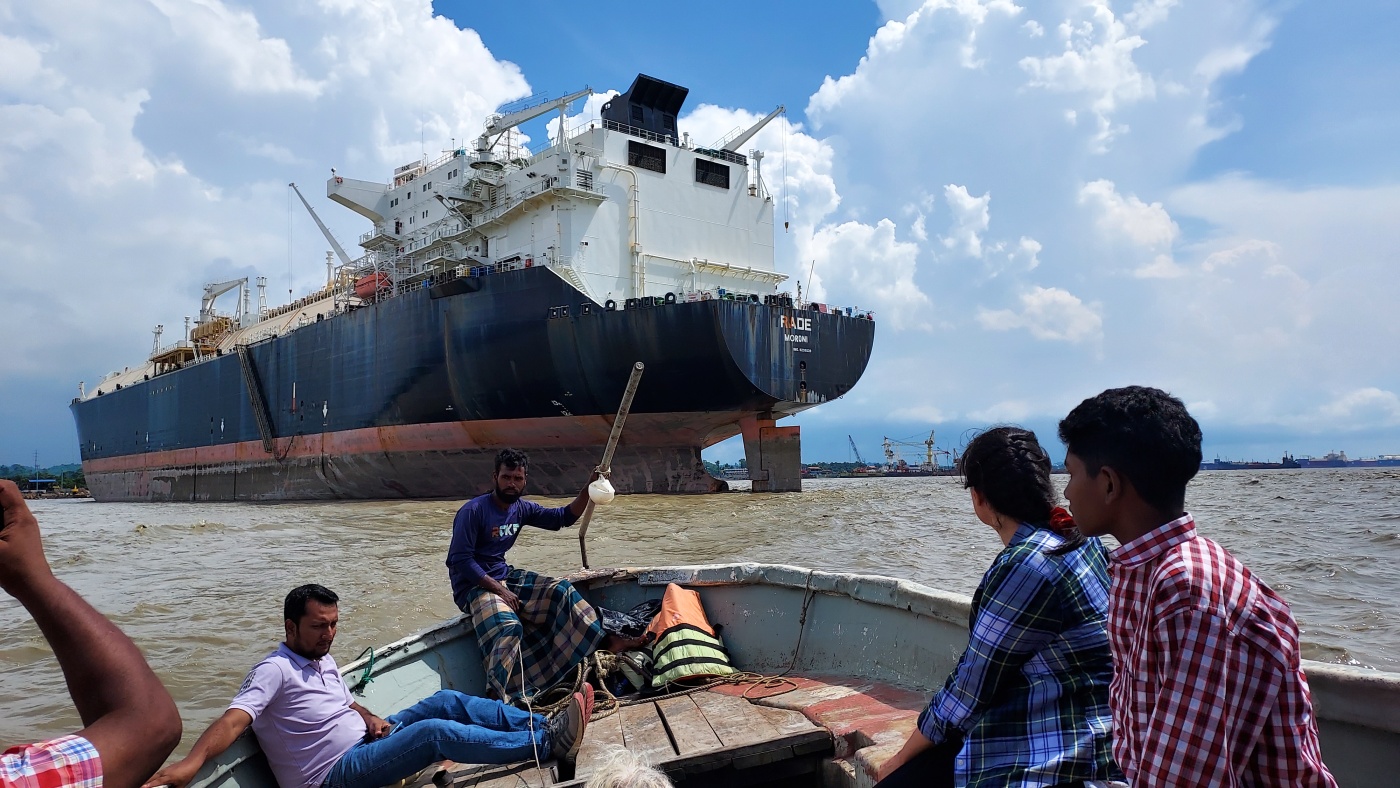
We also visited the ship-breaking yards for large ocean-going vessels. As we couldn’t reach them by land, we tried by water – we hired a boat. Drisho was a little afraid, as he couldn’t swim – but we were there together, so he calmed down. And when the boat began to rock on the waves, I felt peace. I told myself that we were in God’s hands, and therefore had nothing to fear.
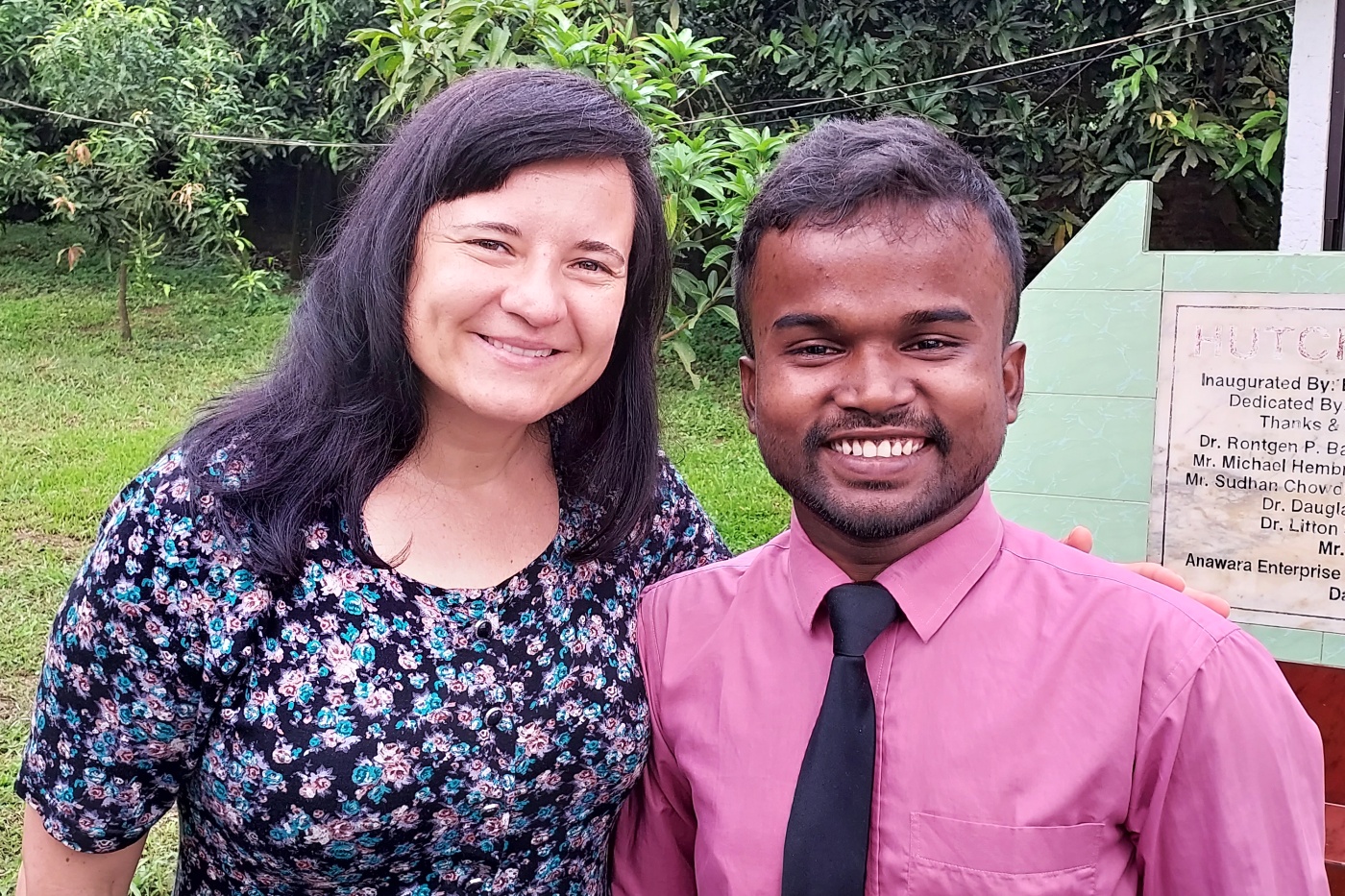
The next morning, when we said goodbye to Drisho, we cried. That was hard for all of us. Drisho wants to be a lawyer — I’m curious whether he will succeed. Without support, he would have no chance.
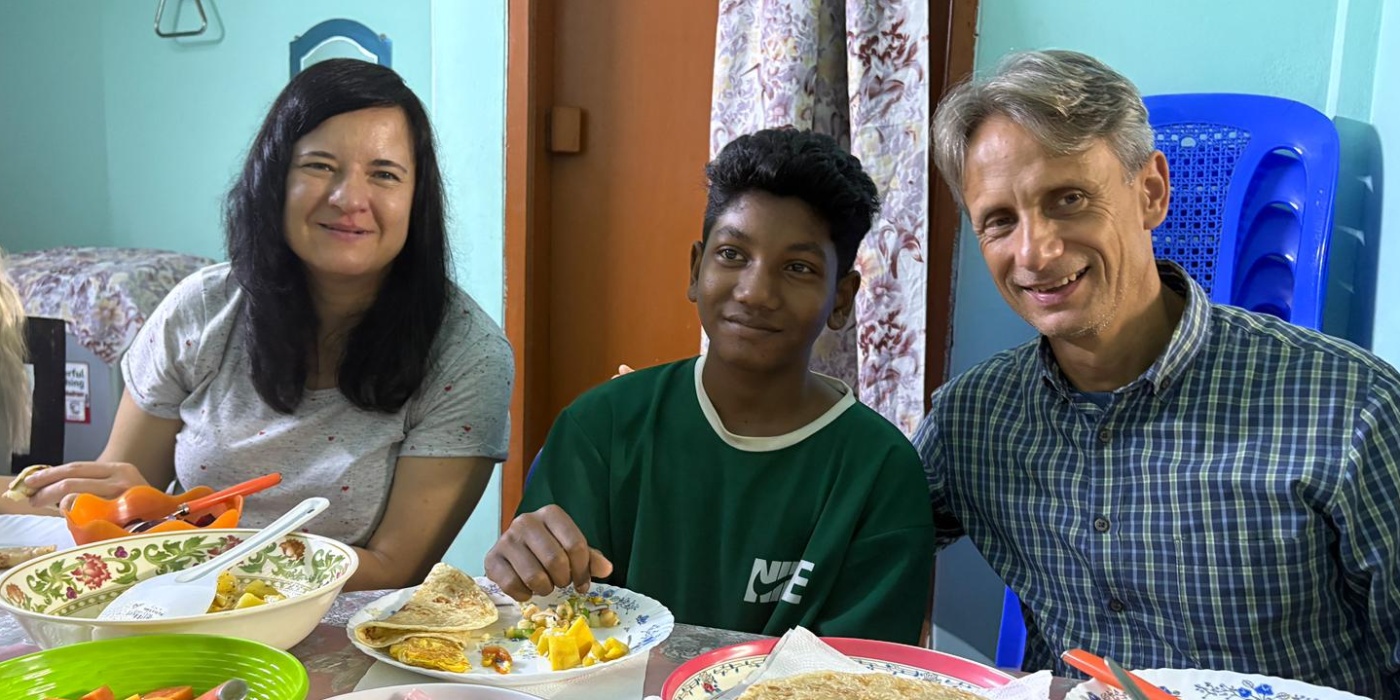
You also met Omeia.
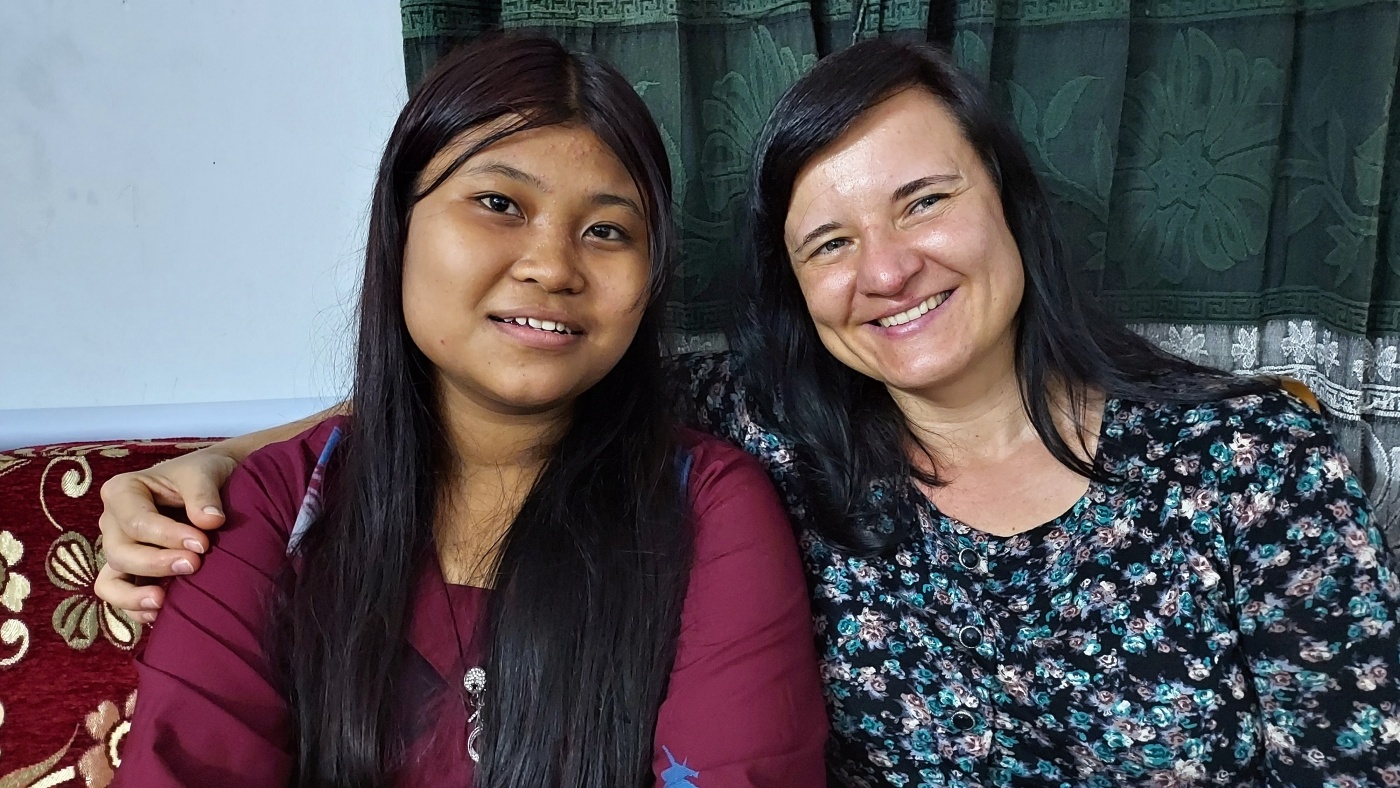
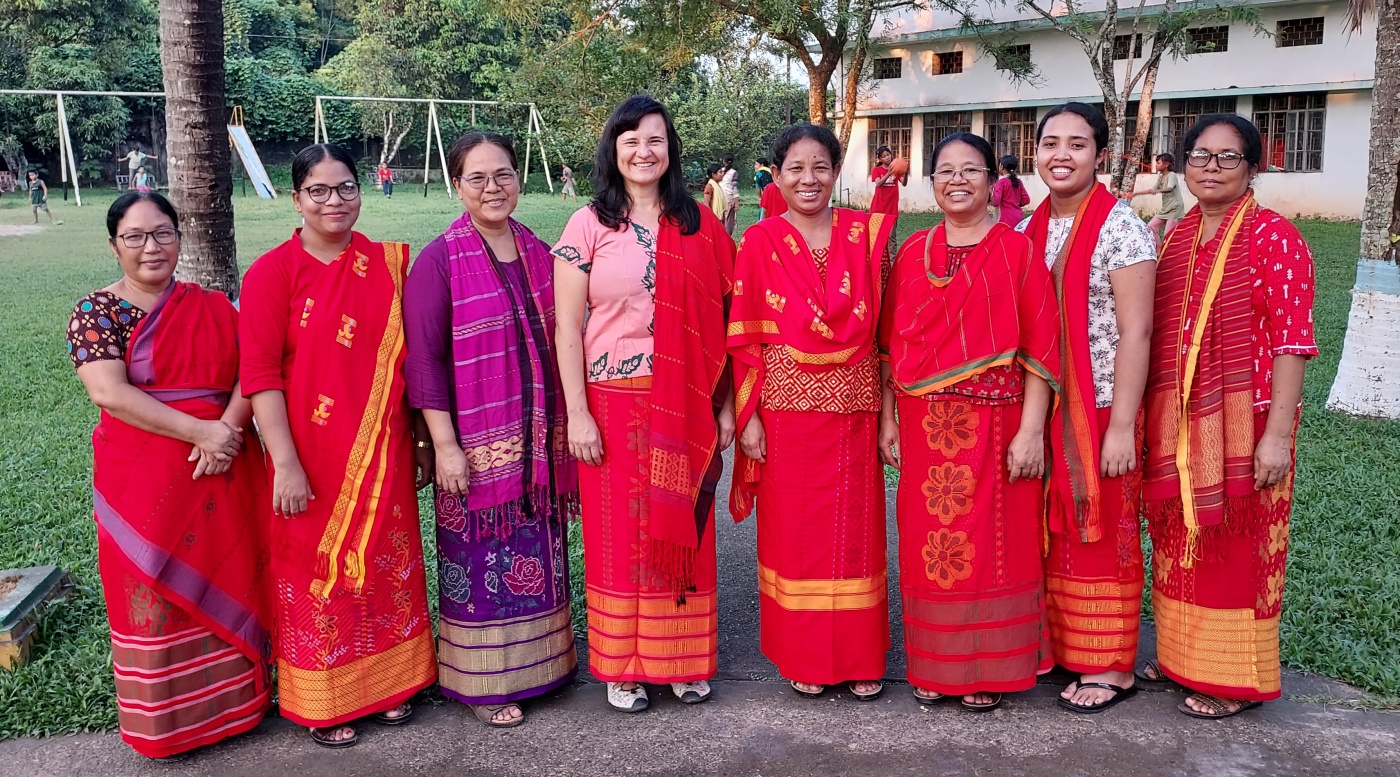
Omeia is a little shy. And I understood her — I would have reacted the same way. She didn’t do well at school this year, so she left because she felt ashamed. Hopefully, she will manage to finish her studies elsewhere. We also met her family, her parents and sister. She comes from the Garo tribe, where women rule the household. I was very glad that we could support her for several years. She has grown up and no longer needs our help. And that is a good thing too — support has its time.
And what about Ronjon?
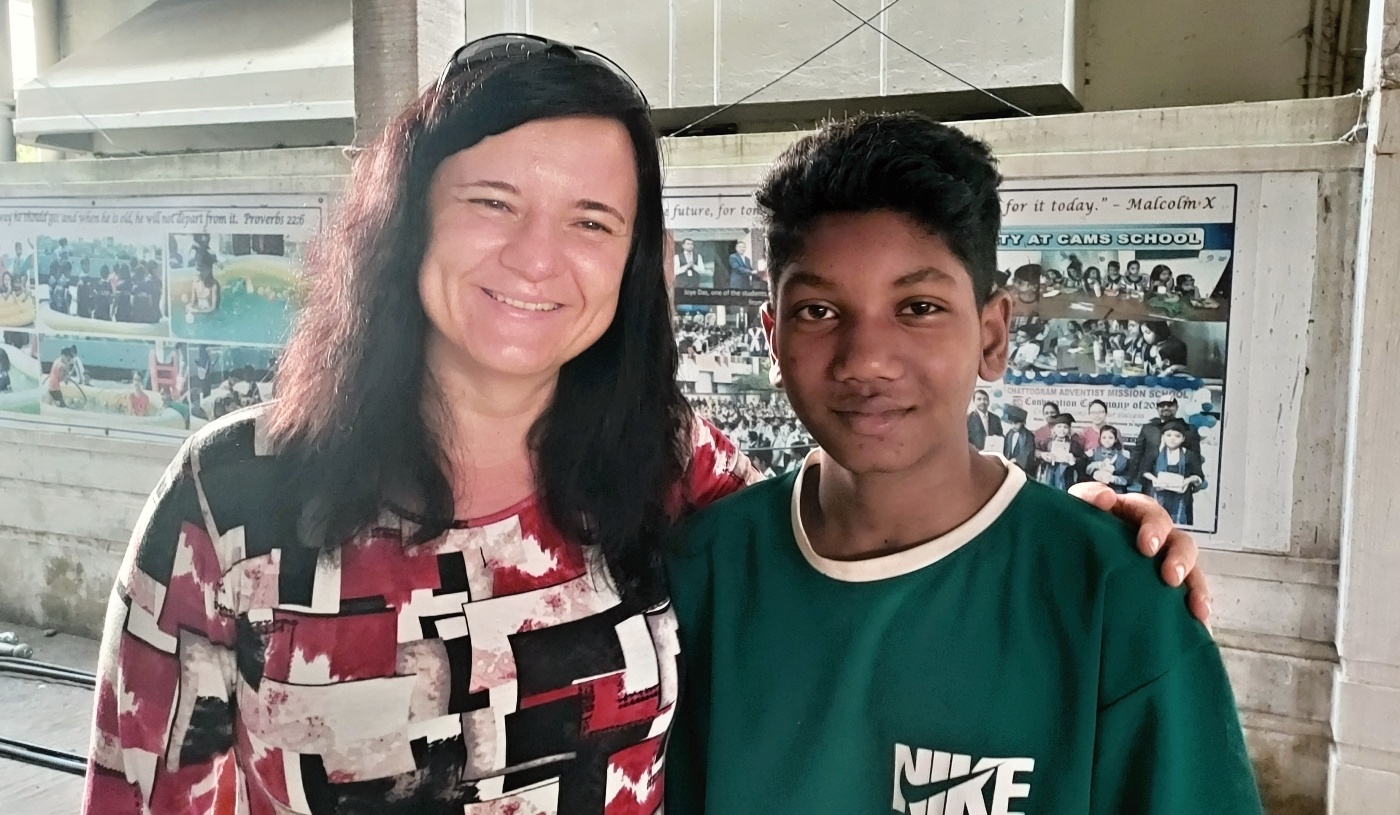
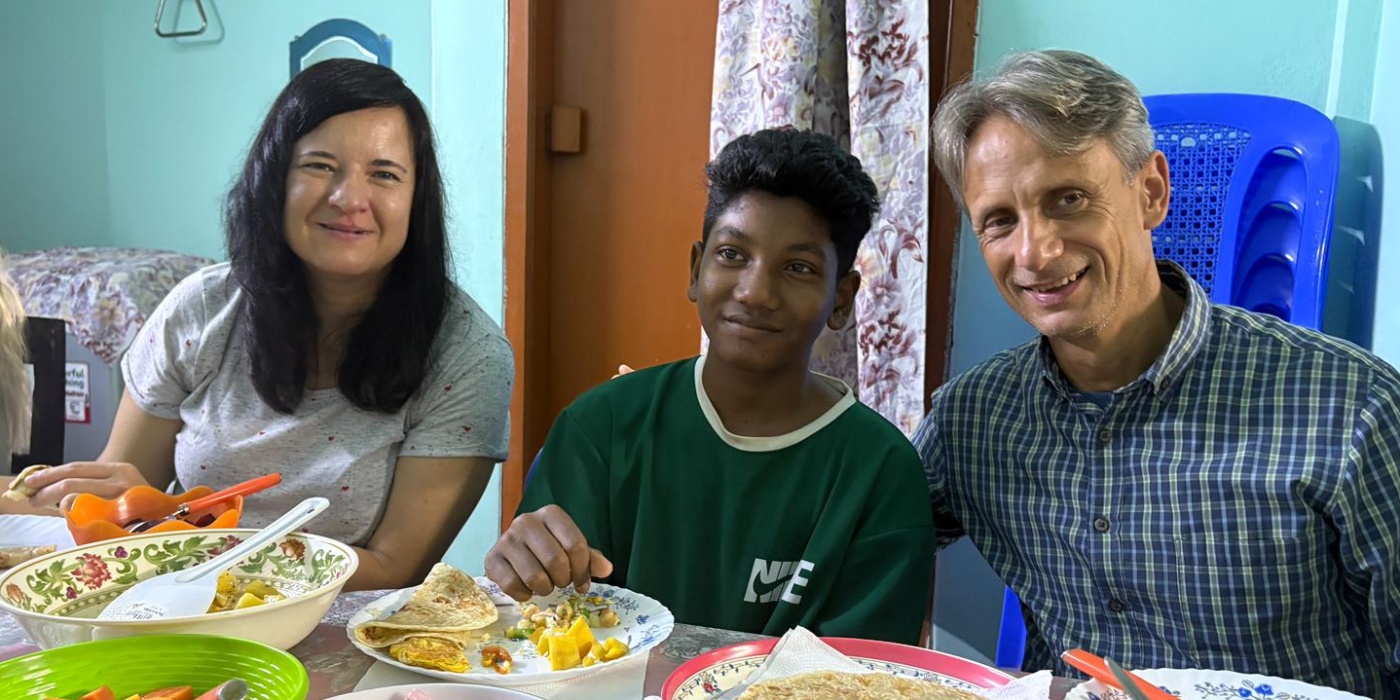
We spent the most time with Ronjon — two and a half days. He speaks English, so it was easier. Ronjon is a pure soul — humble, respectful and responsible. When I saw how he took care of younger boys, I was proud of him. And I thought about how much he has grown over the years, also thanks to the support.
How did you feel when Drisho and Ronjon started calling you “mum”?
I think I accepted it, even though I didn’t entirely feel that way. But for them, it is probably important.
Free hugs, a duck and a kiss :)
 You visited various schools. What was it like to play sports with the children and give out “free hugs”?
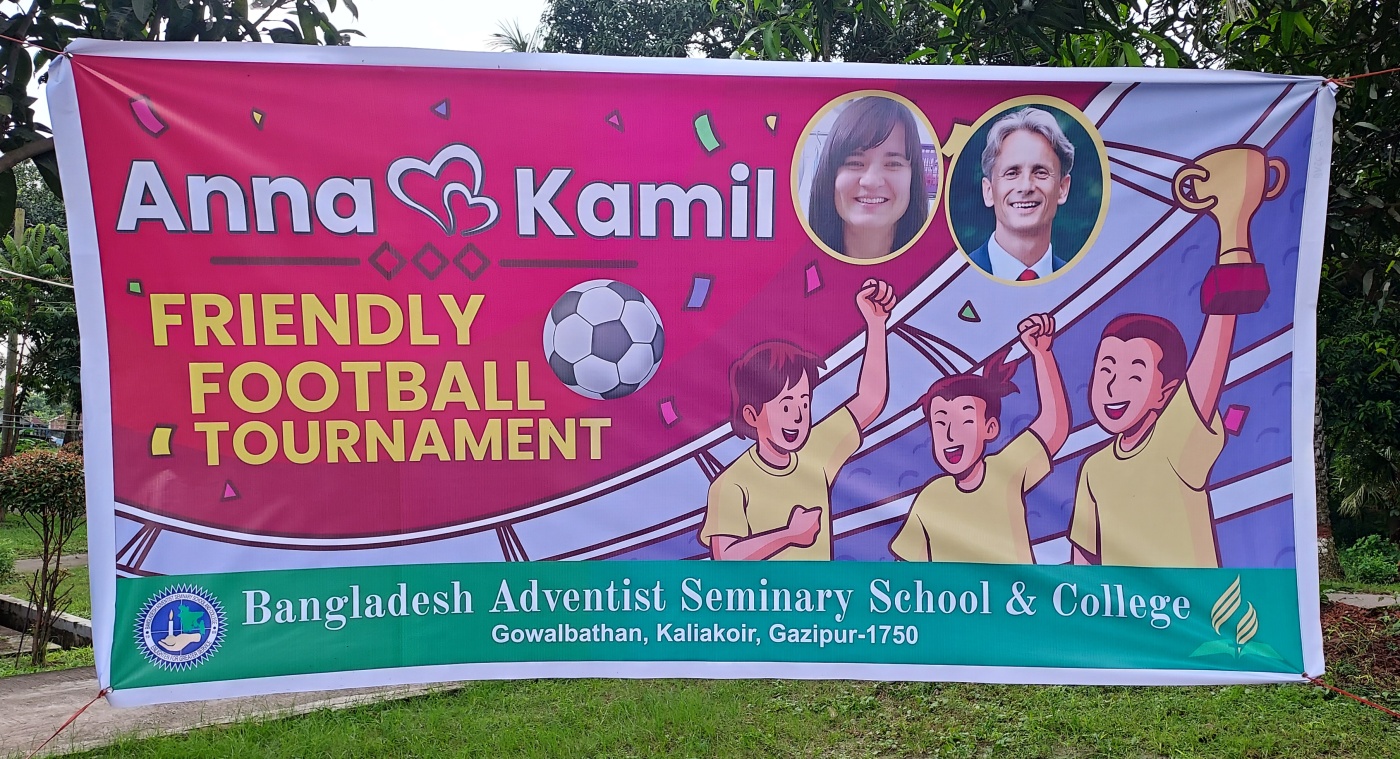
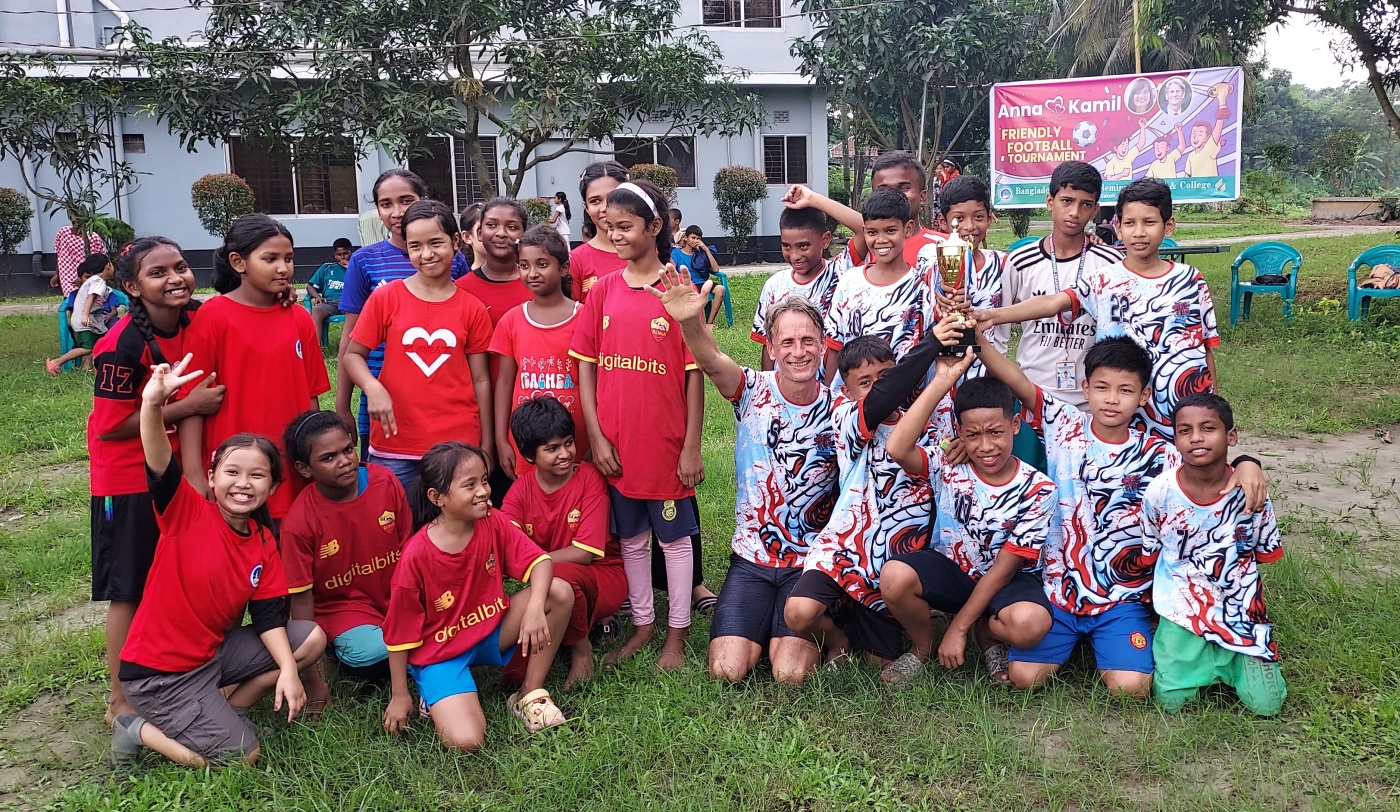
I was fascinated that we had banners at the tournaments — not only with names, but also with photos! :) I didn’t expect that. Sports activities quickly brought us closer to the children. But playing football at noon in 34 degrees Celsius was like being in a sauna — and two matches in a row. You then jumped into a pond with the boys (and they chased a duck — a local game), but I felt as if I had been locked in a steam room.
Volleyball with the girls was initially more like a casual throw-around, but once the teachers joined in, it took on a completely different energy. And the children cheered unbelievably.
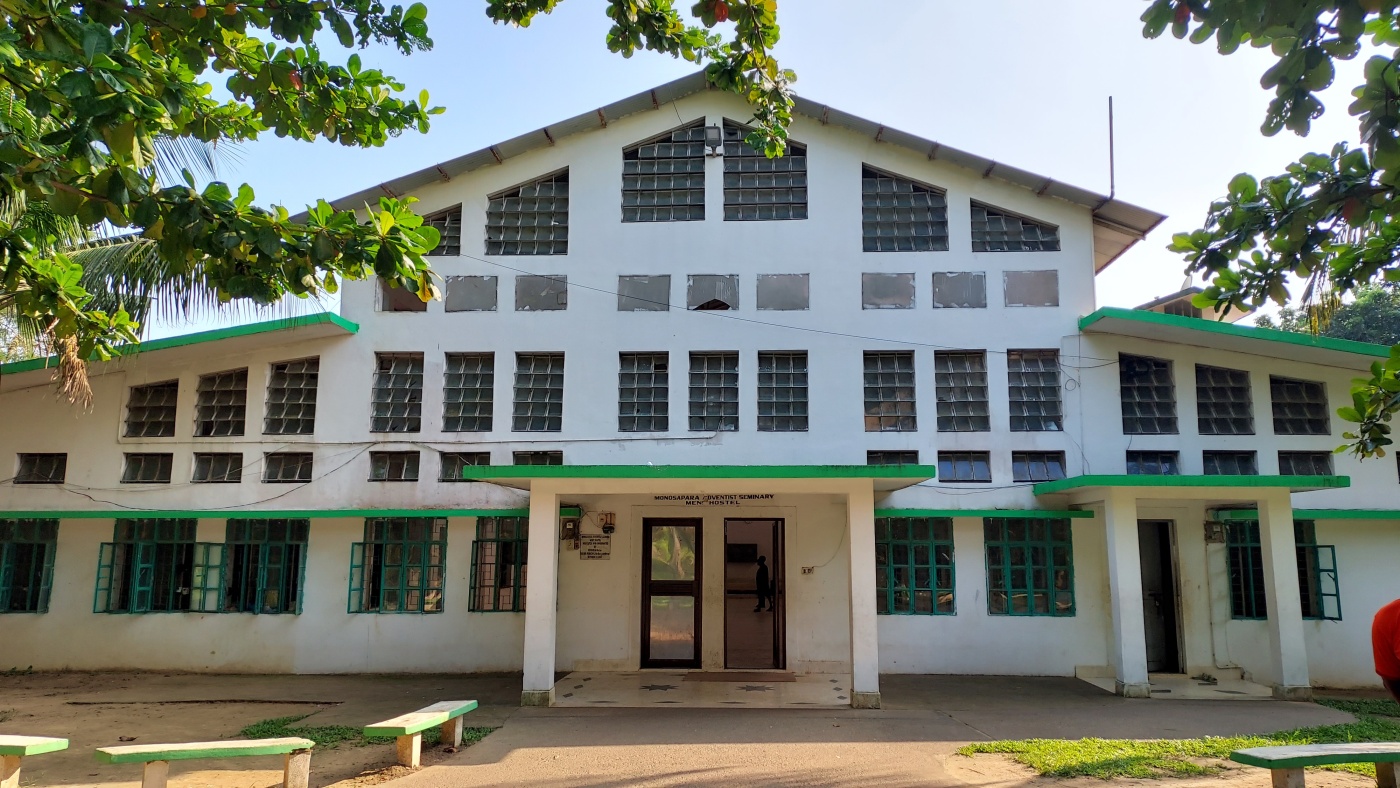
What impressed you about the Monoshapara boarding school?
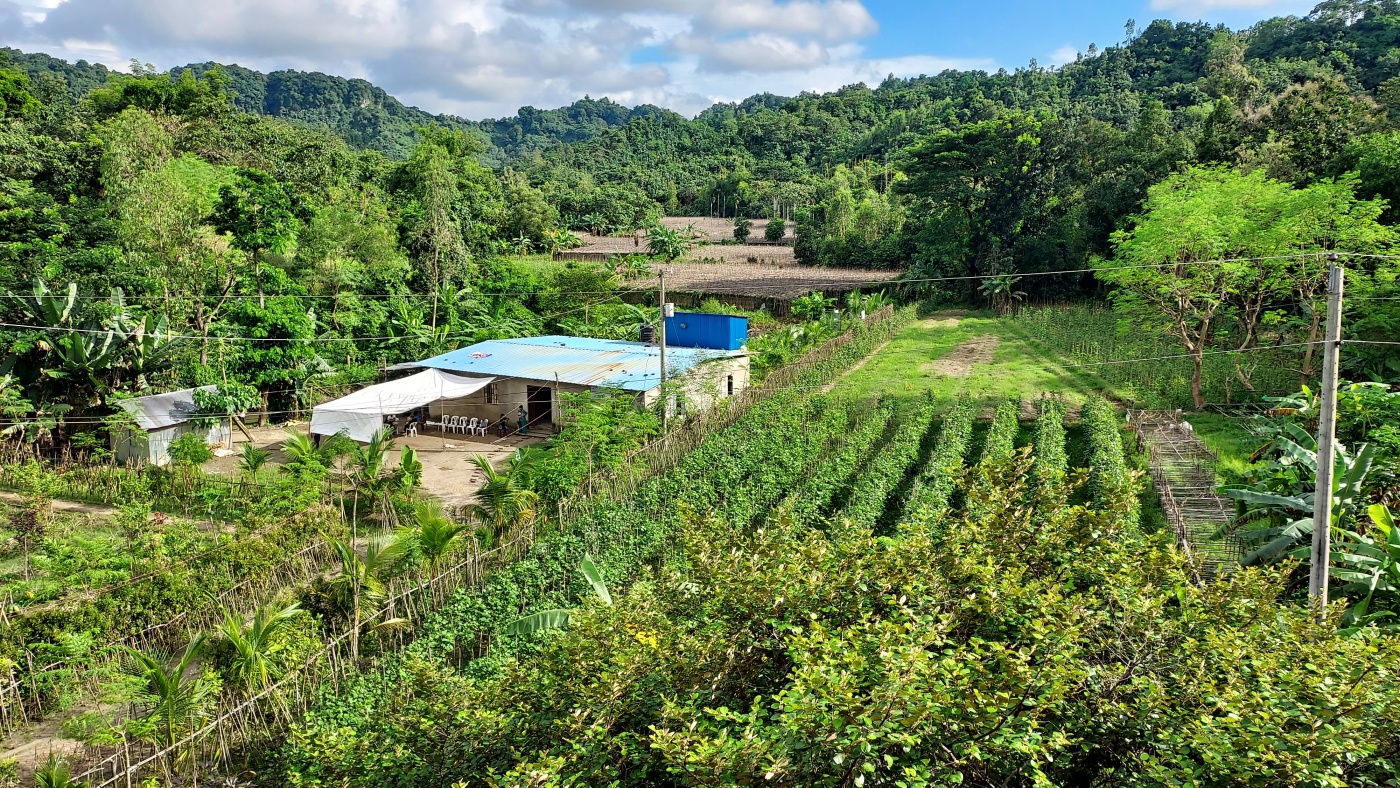
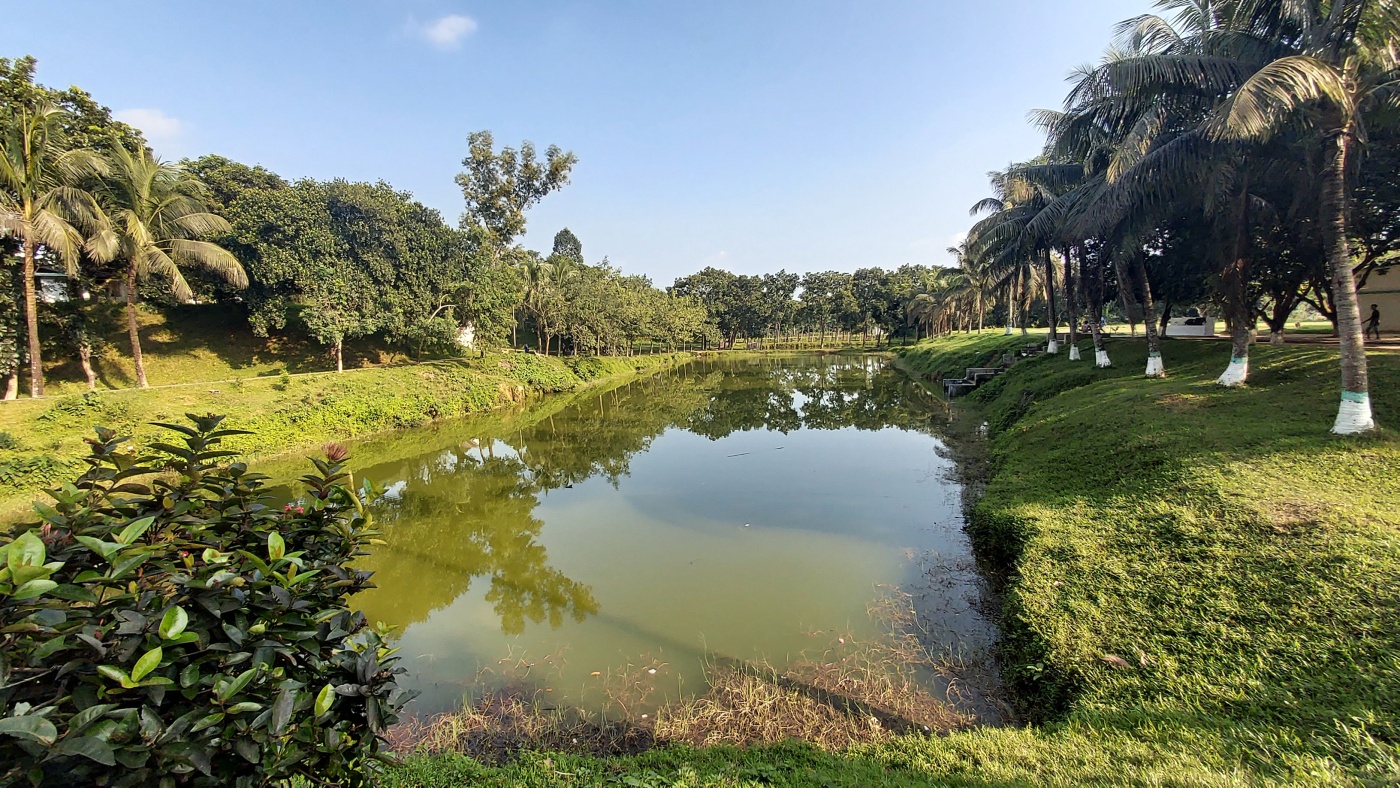
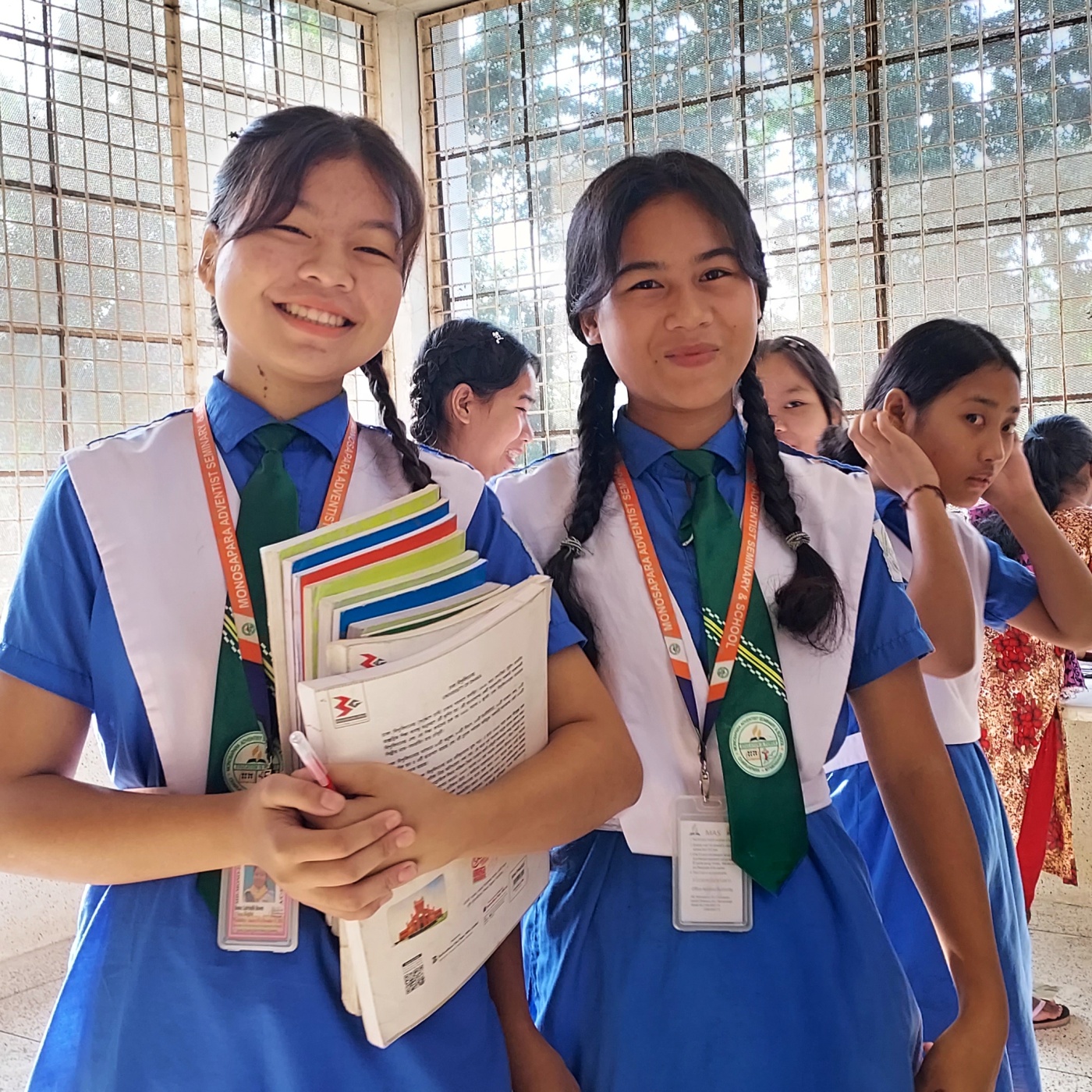
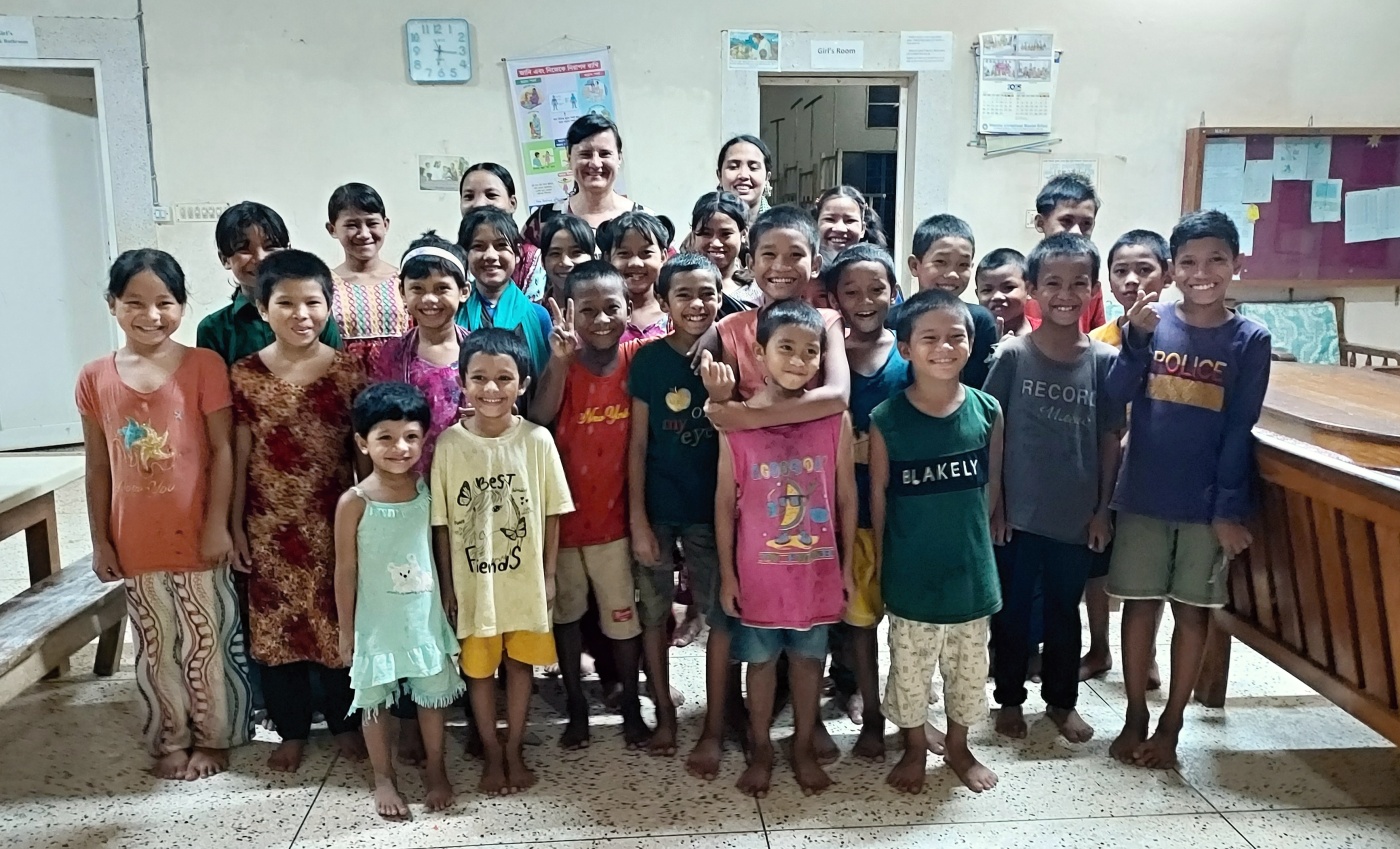
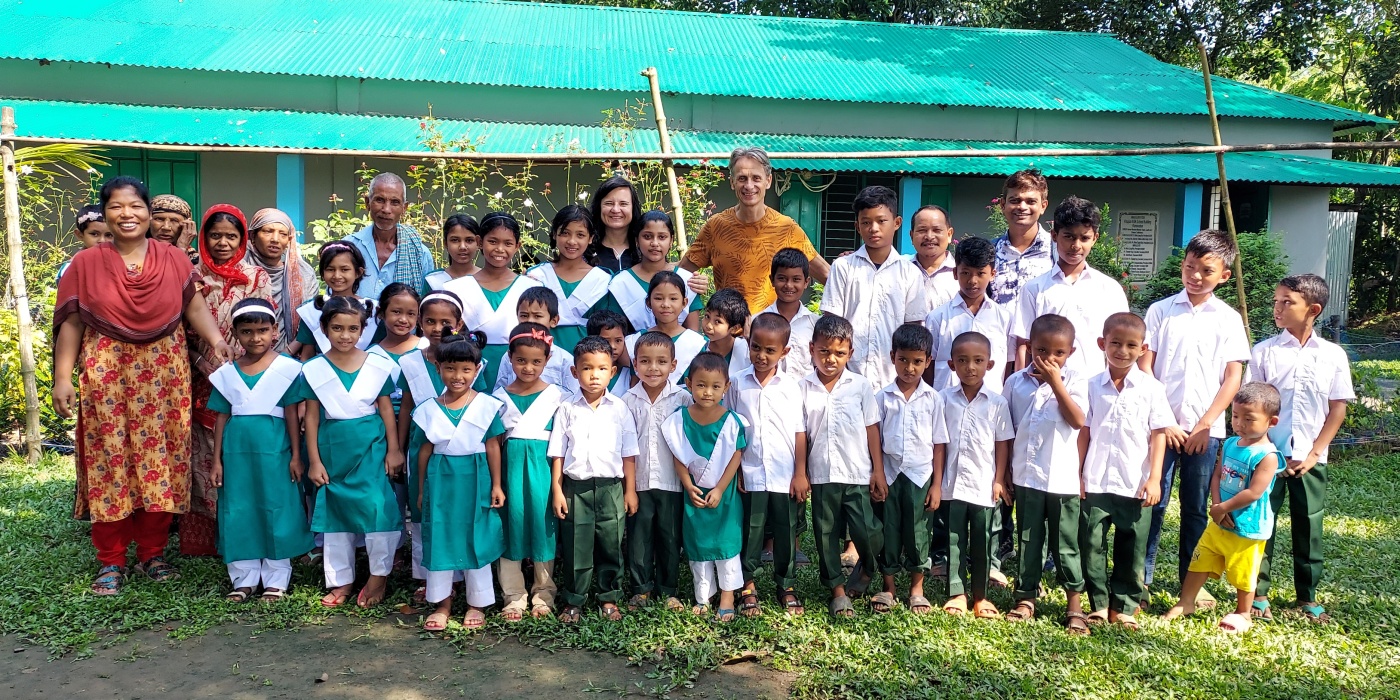
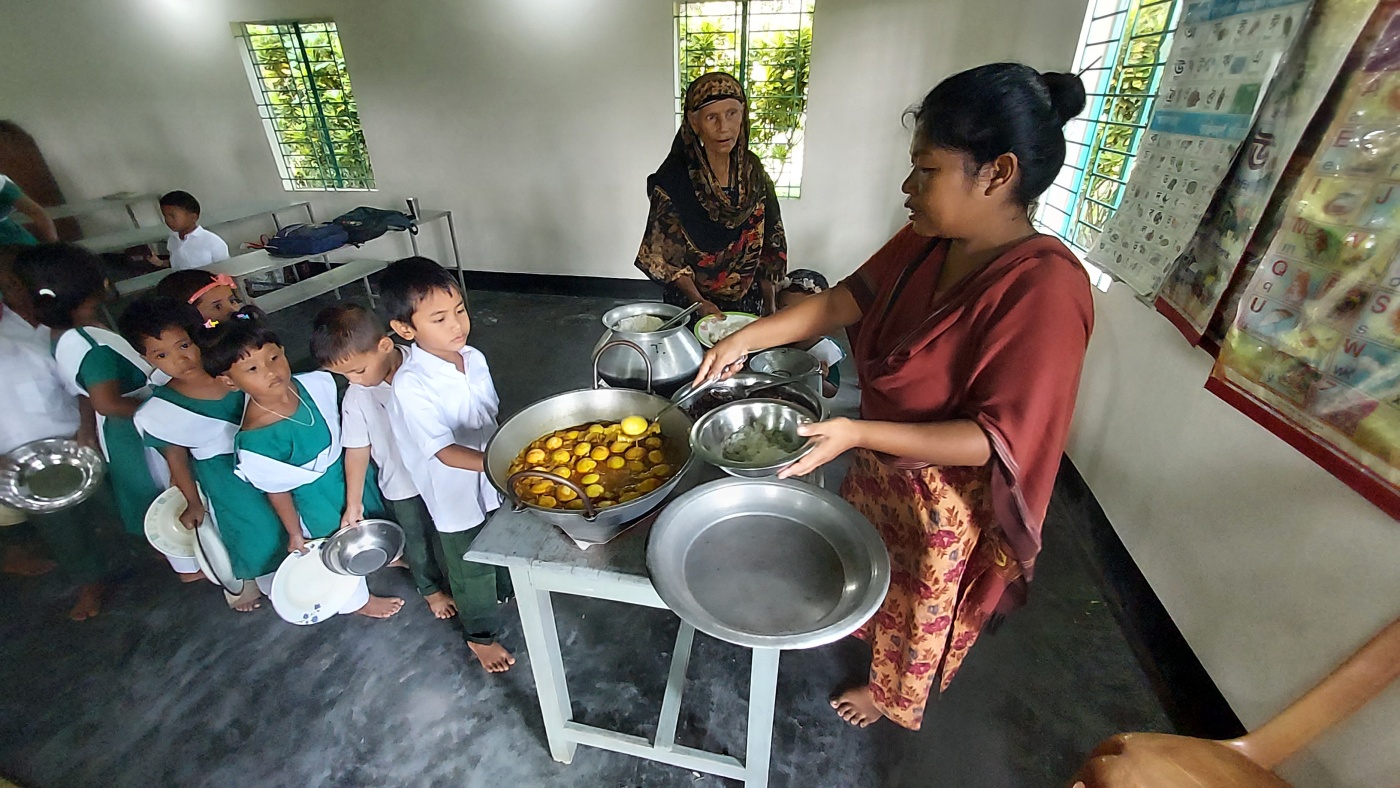
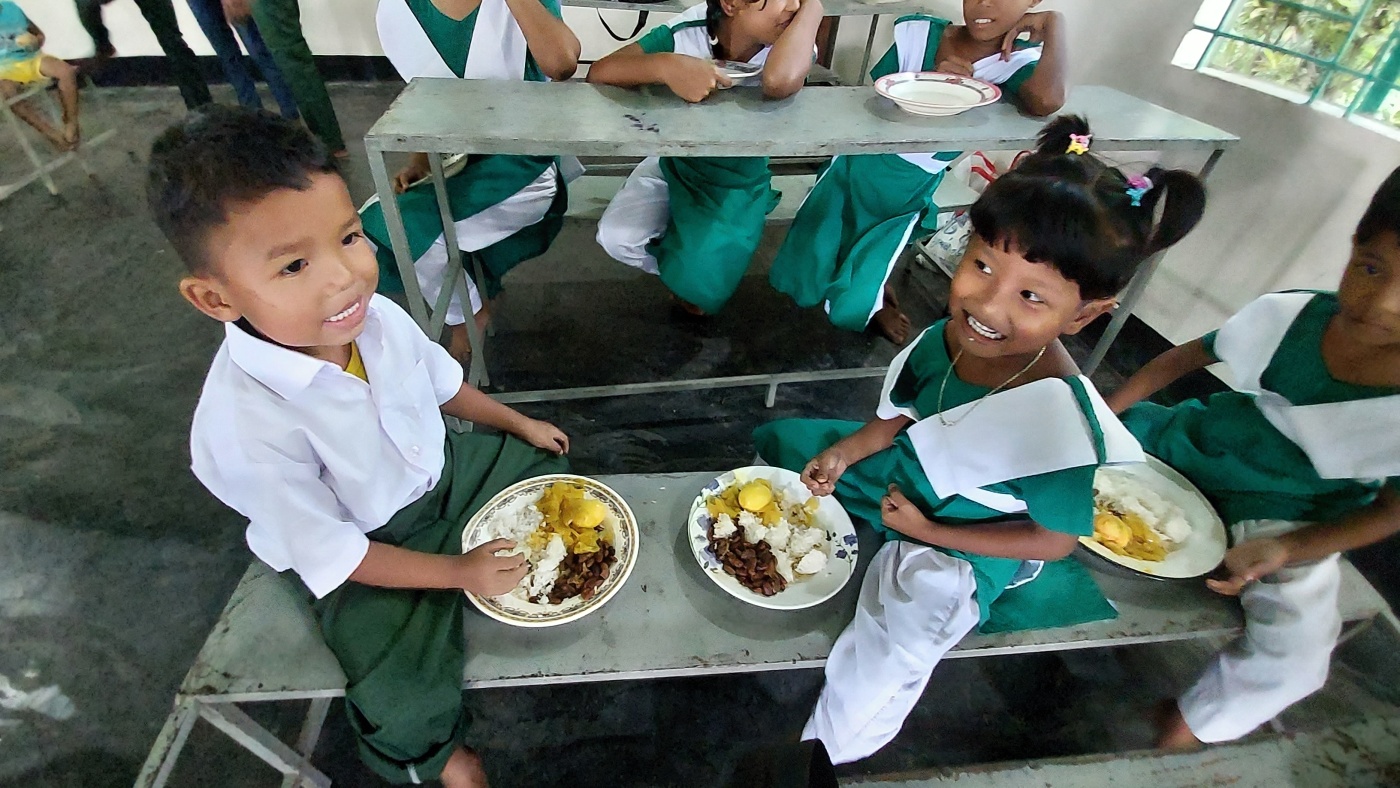
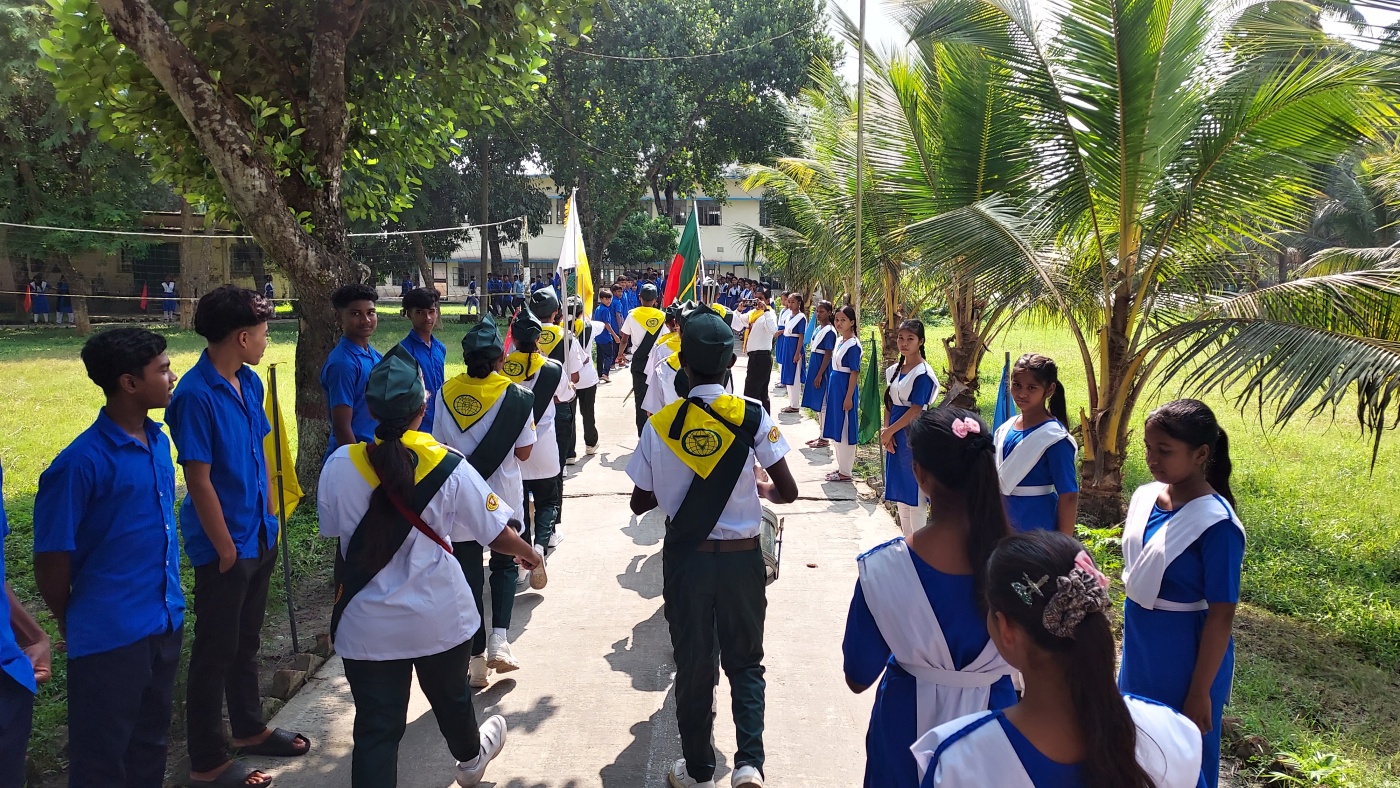
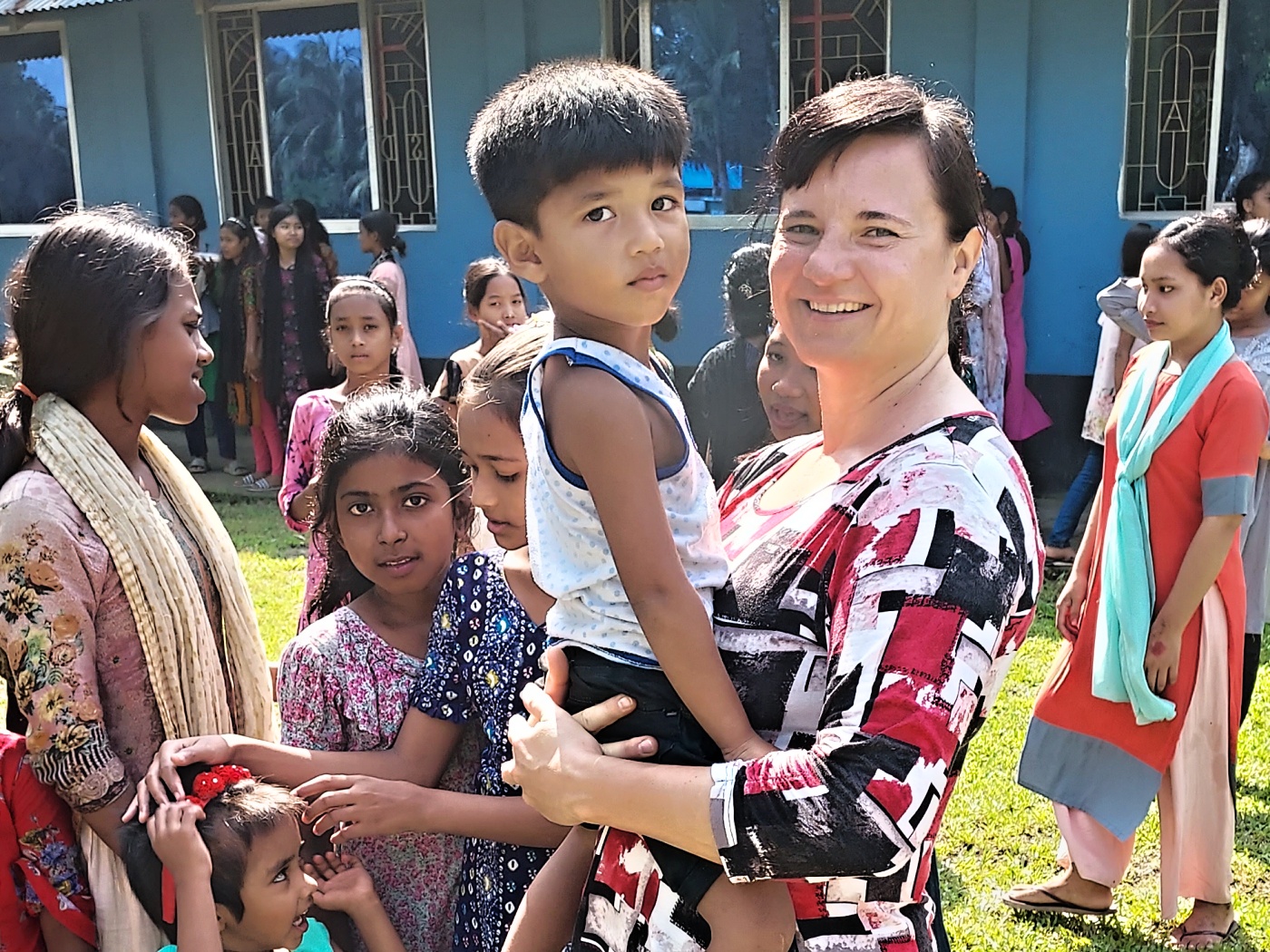
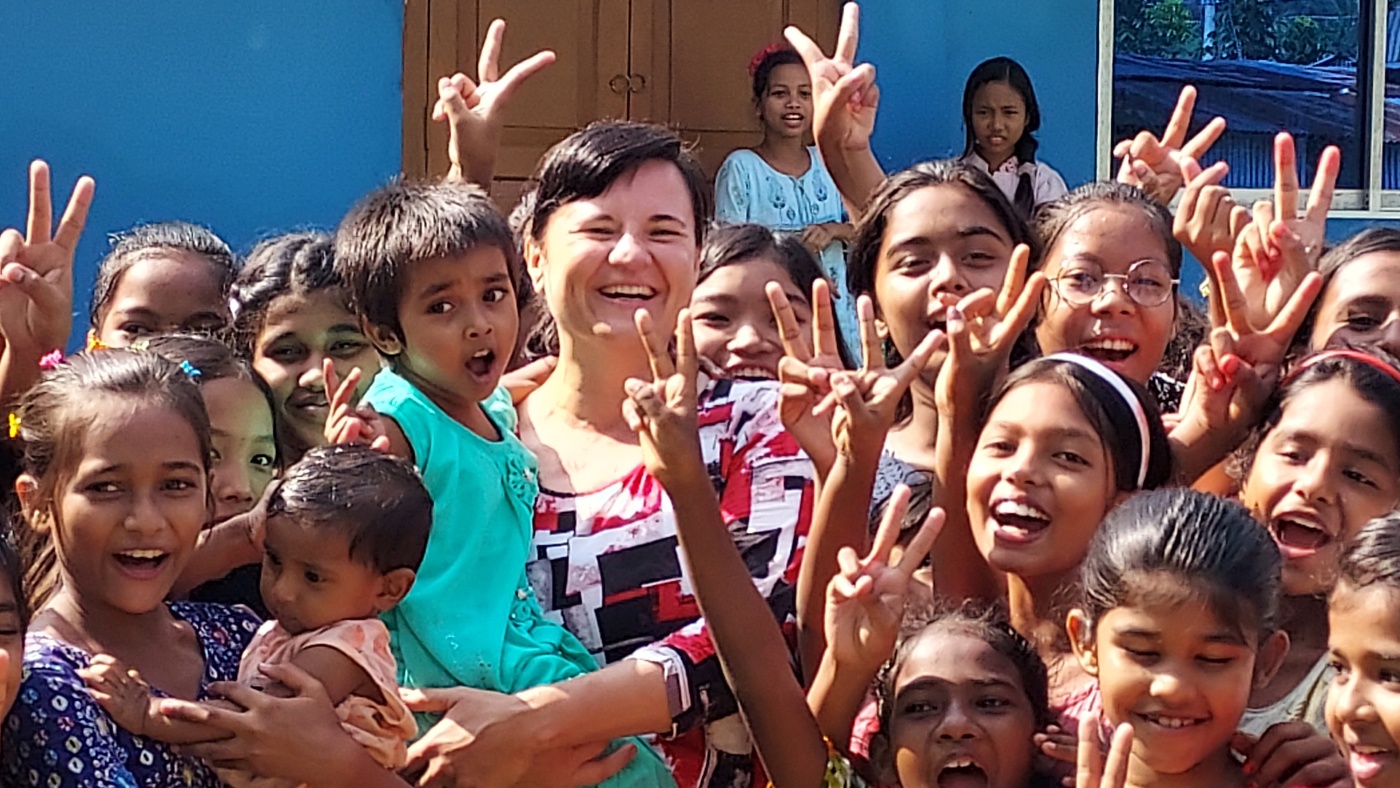
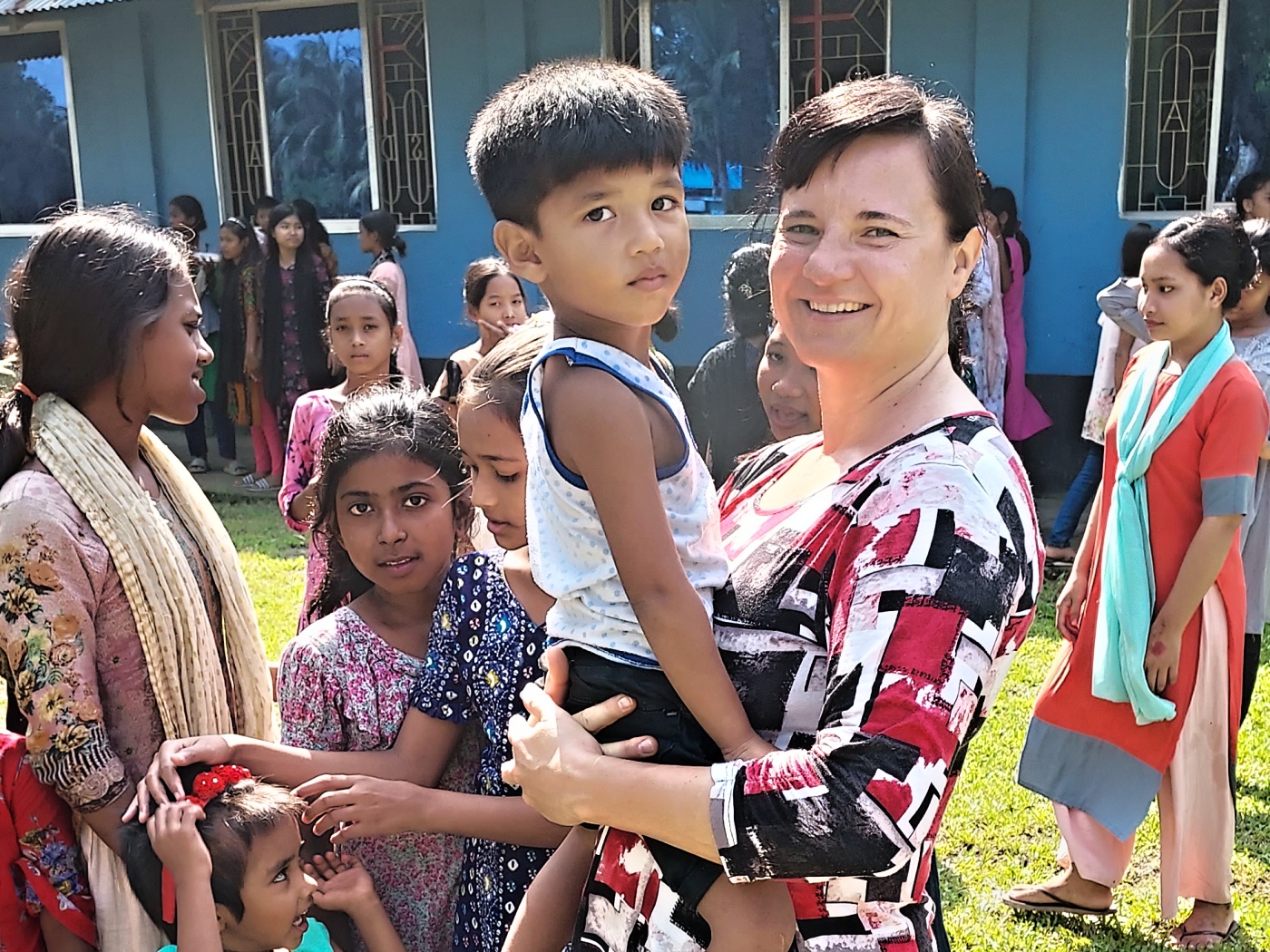
A beautiful setting, a wise headmaster, respectful children. And a great effort towards self-sufficiency — they grow bananas, keep cows and have fish ponds. We also visited an orphanage. I offered the children hugs, and they came for free hugs. A little girl, about four years old, came too — and when I hugged her, she gave me a kiss. It was unexpected and all the more touching. I realised that when a person gives, they also receive.
Chalantika, BanglaKids, our colleagues and my husband :)
You also experienced a powerful moment in the slum and the Chalantika education centre.
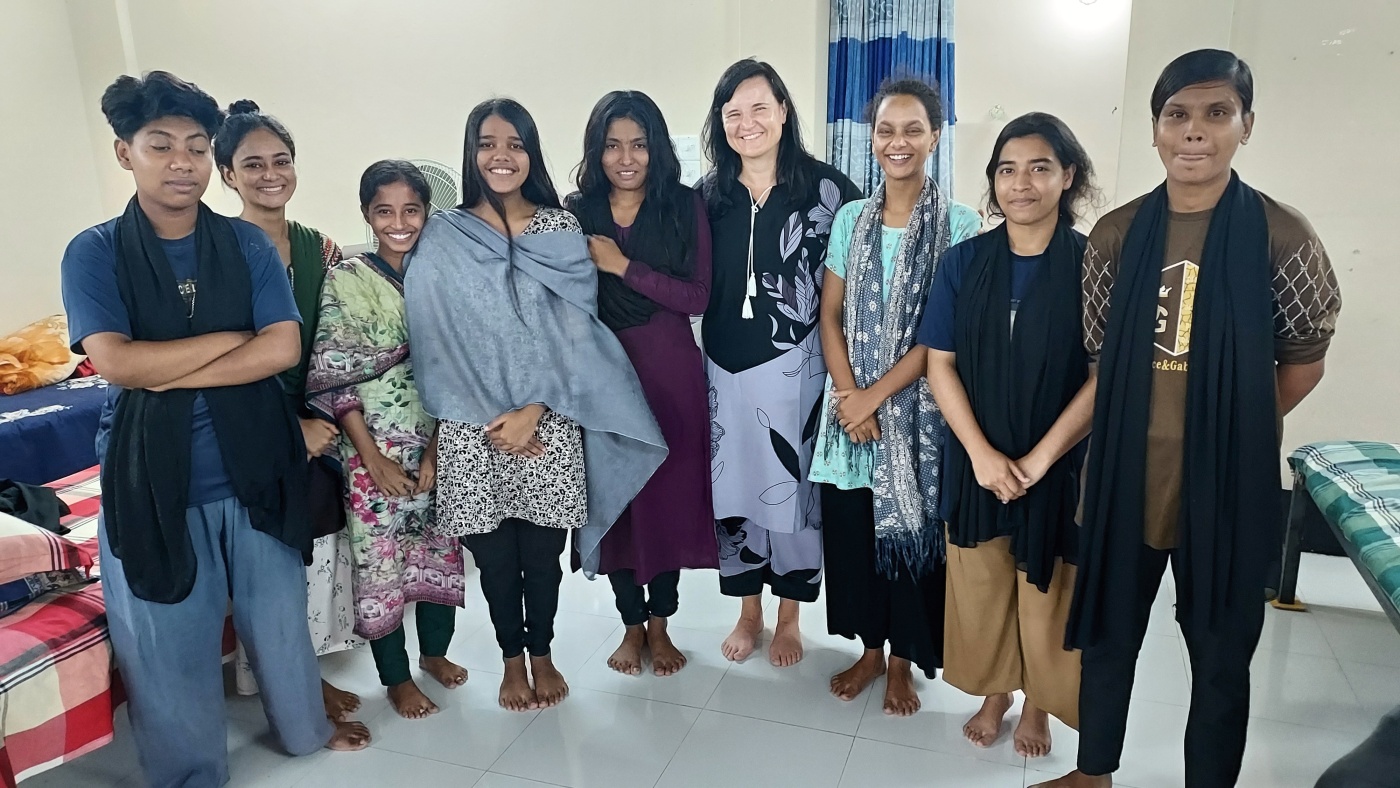
I realised that those children have enormous potential. The fact that their parents live in a slum does not mean that they cannot live a better life. Chalantika gives children education, but also vision and hope. They work with parents too. We met a woman who, thanks to training, was able to open a small shop and support her family.
Liza, the head of Chalantika, is completely devoted to helping children and parents. She goes into the field and identifies needs. There always needs to be at least one person who is fully devoted to the work — then change happens. I am glad that Chalantika supports children up to Year 5, and BanglaKids will now support children from Year 6 onwards. I definitely want to be one of the first to support a child from Chalantika.
 And the Tongi school?
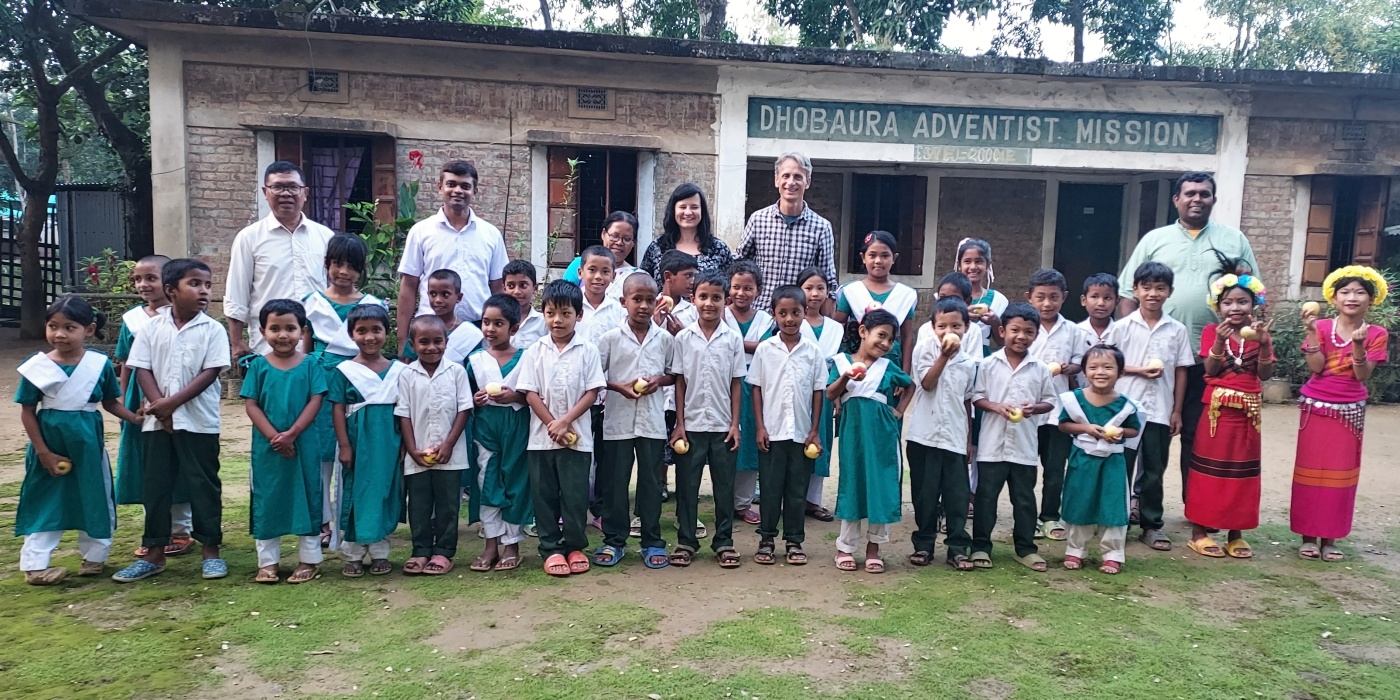
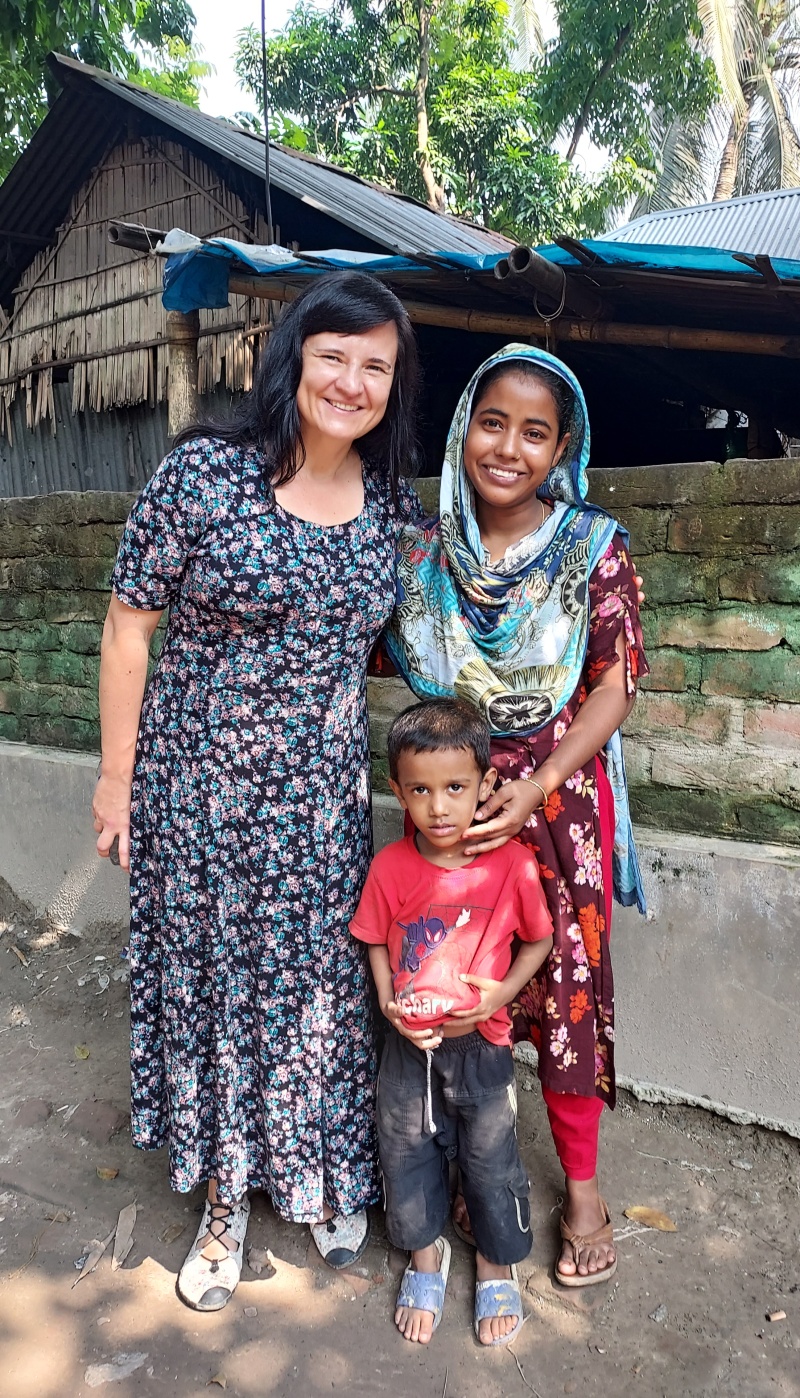
A primary school with many children living in difficult conditions. I liked how the headteacher managed to engage the entire community through parents to not only maintain the school, but also expand it. We also visited families. They live in one room, like in a slum. But thanks to the school’s activities, the children are very happy.
How do you perceive the work of our Bangladeshi colleagues from BCSS?
I was surprised that it’s not only about getting children to attend school. They also work on other community projects, helping people on the margins of society — slum children, children of prostitutes. They are devoted and look for ways to ensure the help has the greatest possible impact on children, parents and society.
During the trip, you met the director of BCSS, Shohag, and his family.
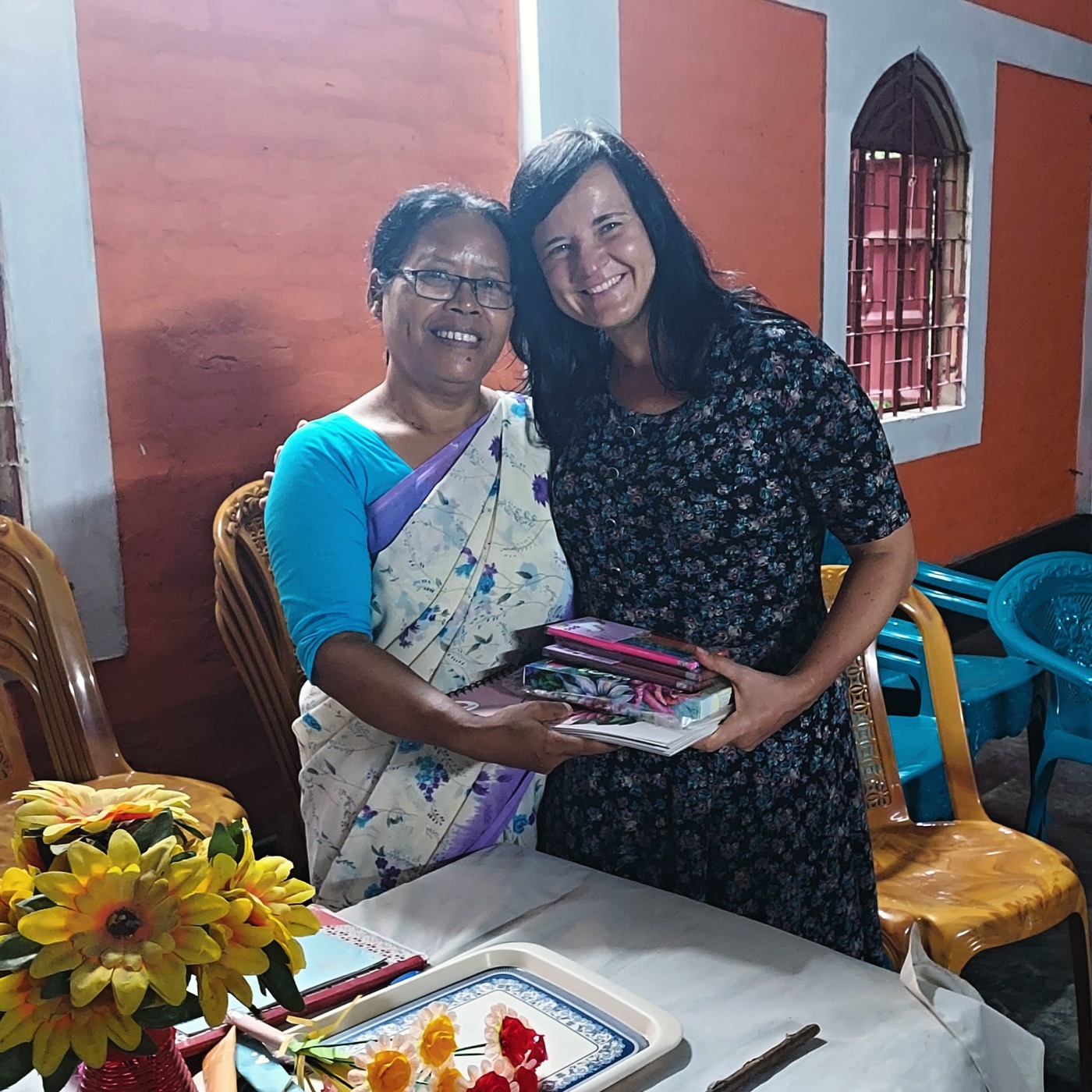
Shohag would give his last — he arranged and ensured everything. He reflects on things, prays and trusts in God. He is a servant. I felt welcomed in their home. His mother knows exactly what she wants — and her food was unbeatable. His wife Mukta is very modest and practical, and an enormous support to Shohag.
What was it like to watch your husband at work among people and children? :)
I now understand why he sacrifices so much for it. The work has enormous meaning. And that is evident in the stories of the children — whether it is Ivanka meeting Misty, Miss Justýna meeting Smrity, or our meetings with the children we support.
But this one will live…
 Tell me a bit more about that meaning.
There is a story about starfish that the sea washed up on the shore. A man was throwing them back into the sea. When someone told him there were too many, he picked up a starfish and threw it into the water, saying: “But this one will live.”
Supporting children has exactly this meaning — one person cannot change the whole world, but they can change the world for that one child. And when more people join in, even more can change.
What would you say to people who are considering supporting children in Bangladesh?
They should simply do it. Supporting a child can change their whole life — and sometimes it changes ours too. It doesn’t only affect the child, but the entire family. And the family is the foundation of society.
Thank you for the interview.
---
PS: Did you find the interview with Anna interesting? Take a look also at the interview with her husband and the head of the BanglaKids programme, which offers insight into the background of long-term child sponsorship in Bangladesh.
We also recommend the interview with donor Ivanka, who travelled to Bangladesh together with Anka and, after almost twenty years of support, met the girl Misty in person.